Tim
Smith
Director of Structural Engineering
Heading
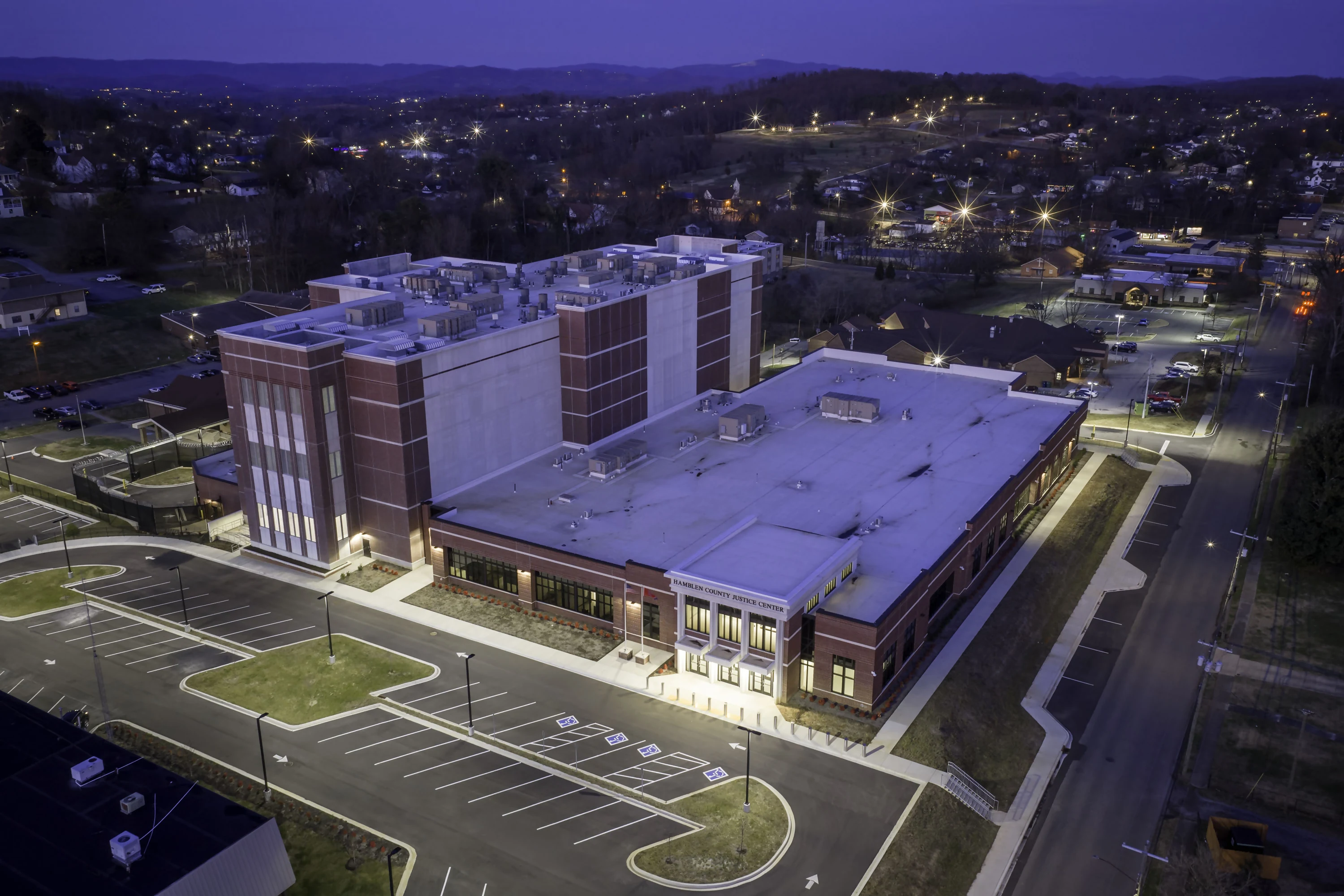
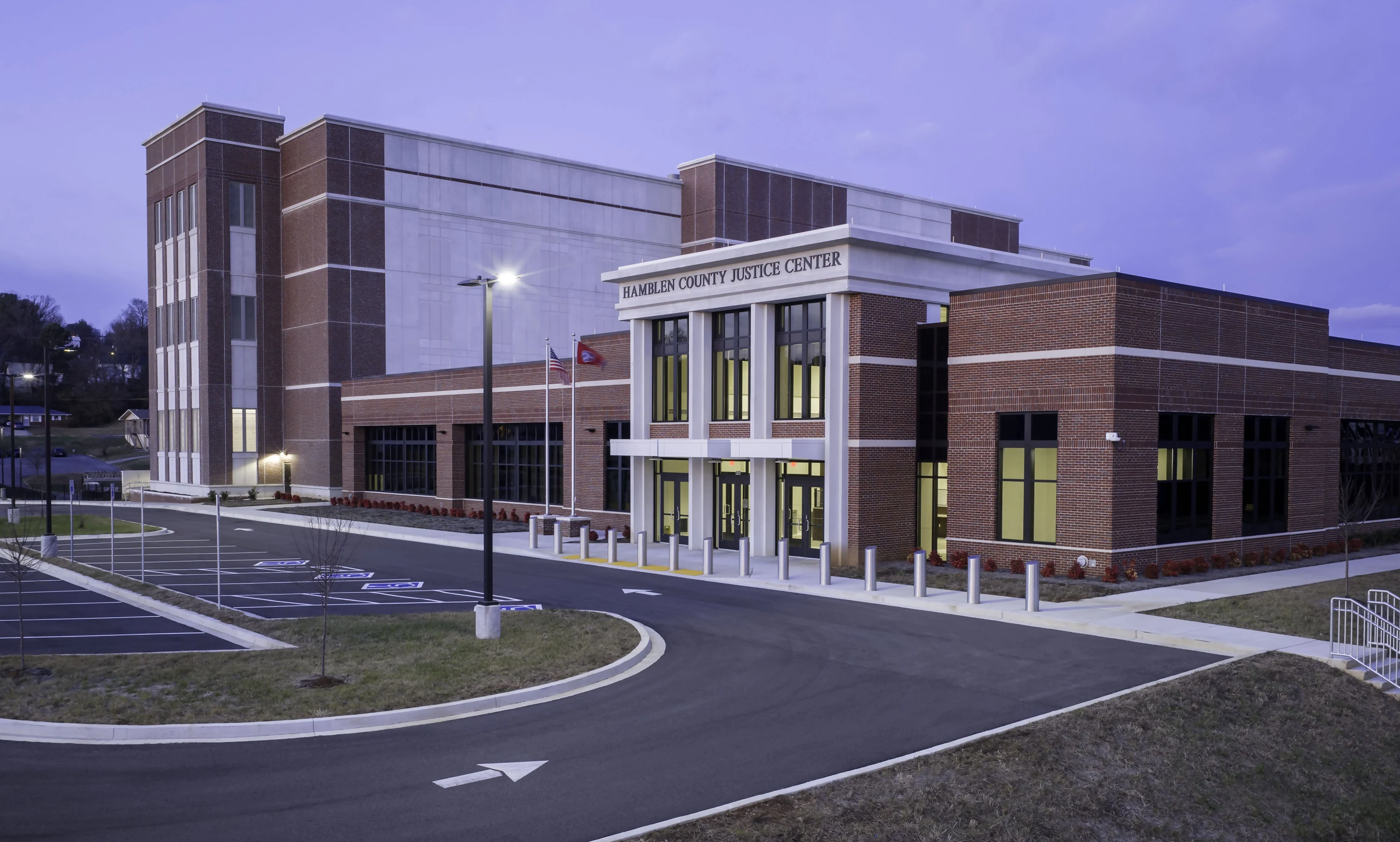
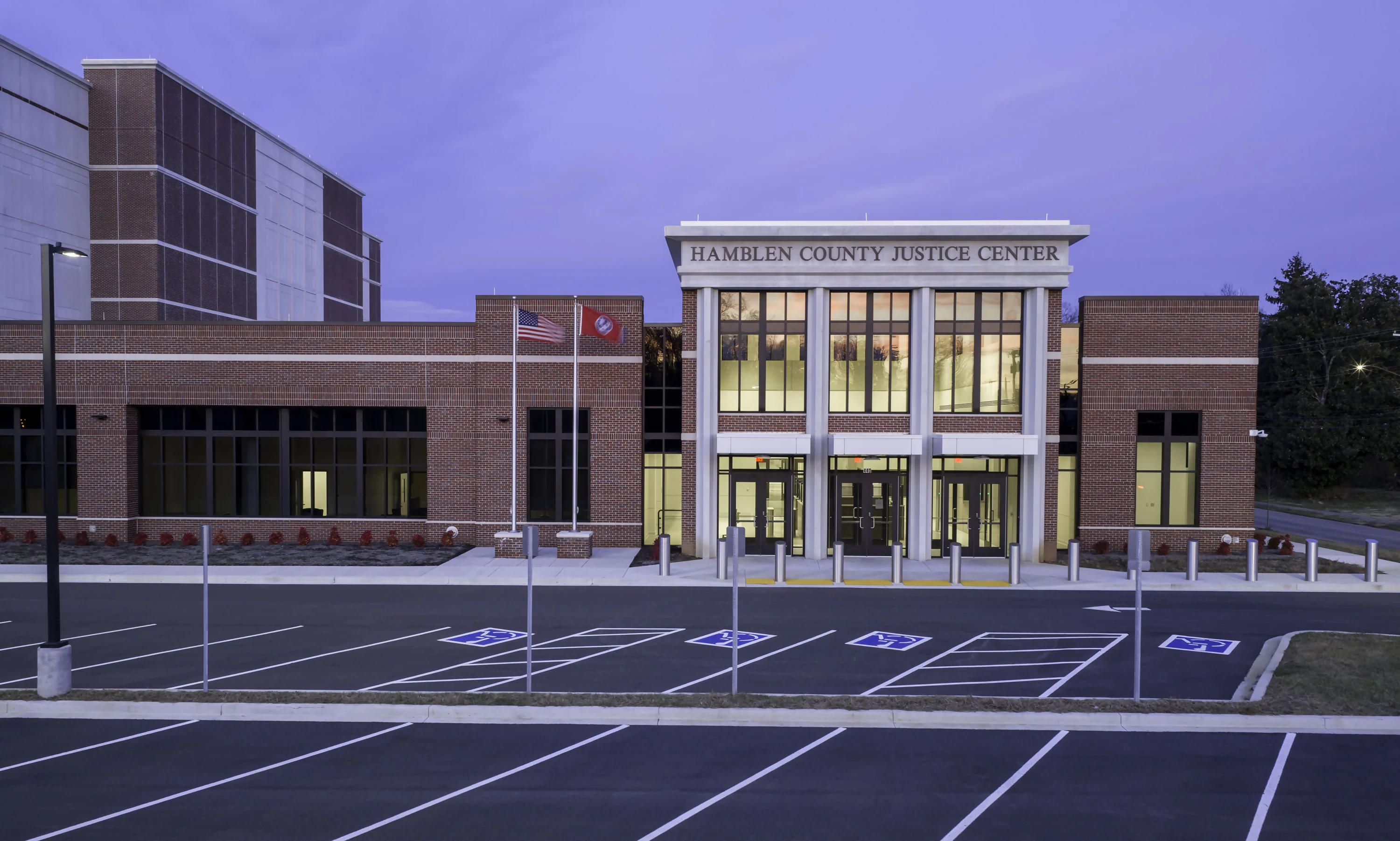
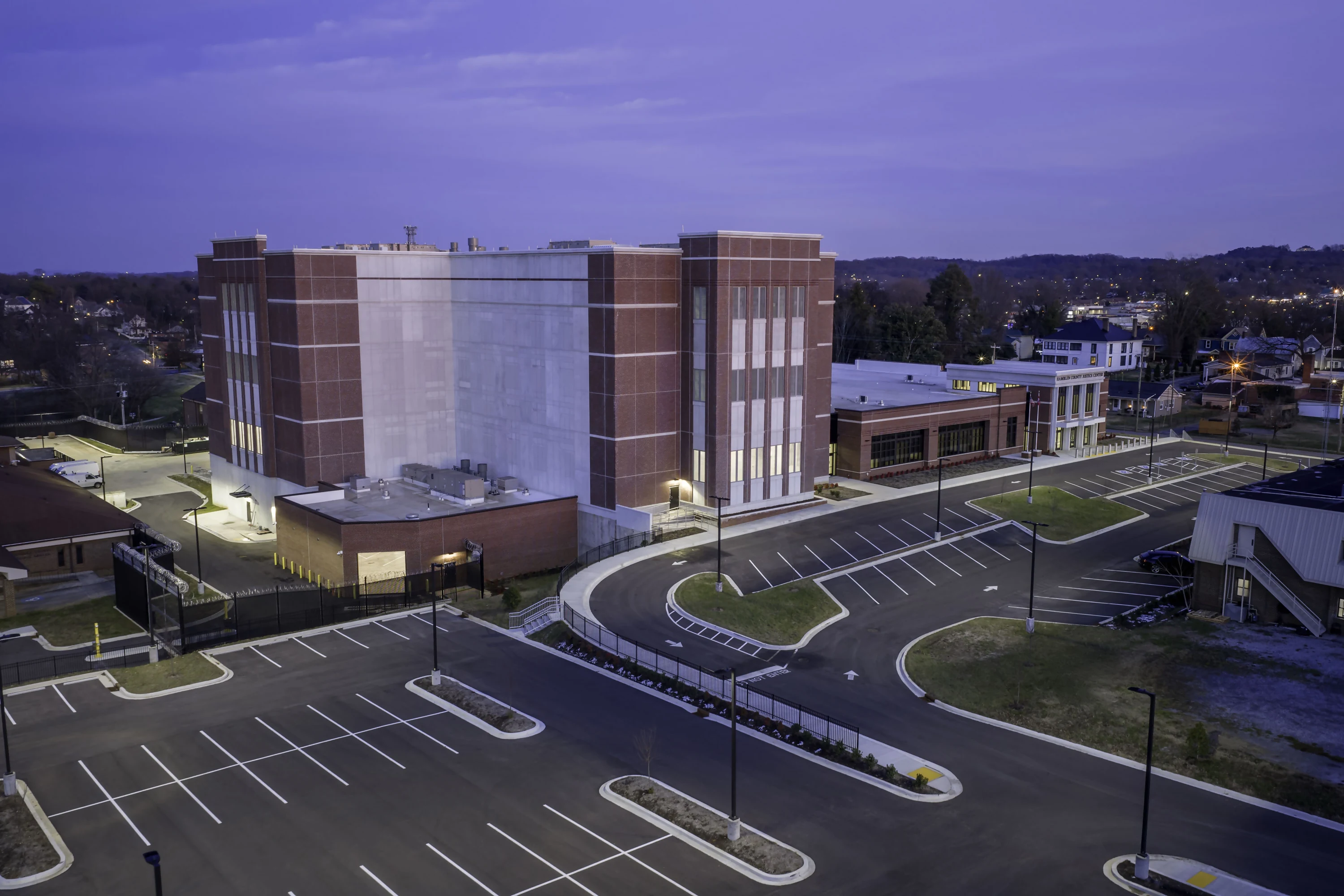
Moseley began with a needs assessment in 2016 to address the deteriorating jail and justice center. The firm led intensive, collaborative design charrettes with county stakeholders to evaluate strategies for replacing the obsolete structure, maximizing site utilization, and accommodating future expansion while aligning design decisions with operational, security, and budgetary goals.
Moseley facilitated ongoing coordination with county leadership, court administration, judges, and detention center management through targeted workshops, work sessions, public presentations, and community forums. Supported by a fully integrated team of architects and engineers, Moseley coordinated specialized justice, security, and building systems into a cohesive architectural solution.
Moseley's in-house criminal justice professionals (three former detention facility administrators) played a pivotal role in the planning and design process. Their operational expertise translated Hamblen County's functional requirements into efficient building programs. They worked in close collaboration with the architectural and engineering team to bridge policy, operations, and the built environment.
Their hands-on experience helped shape a safer environment for staff, inmates, visitors, and county residents. Their direct knowledge of detention operations informed design decisions that improved staff sightlines, eliminated blind spots, and integrated monitoring technologies, increasing overall safety and operational efficiency while reducing required staffing levels.
The 200,000-square-foot, multi-story facility sits on the justice campus, across from the historic county courthouse and adjacent to the existing justice center. The design prioritizes access to natural light, intuitive wayfinding, and a calibrated spatial organization to promote well-being, reduce stress, and encourage positive behavior.
The project achieves clear separation between public and judicial functions and secure detention areas while unifying each programmatic element within a single structure.
Courthouse
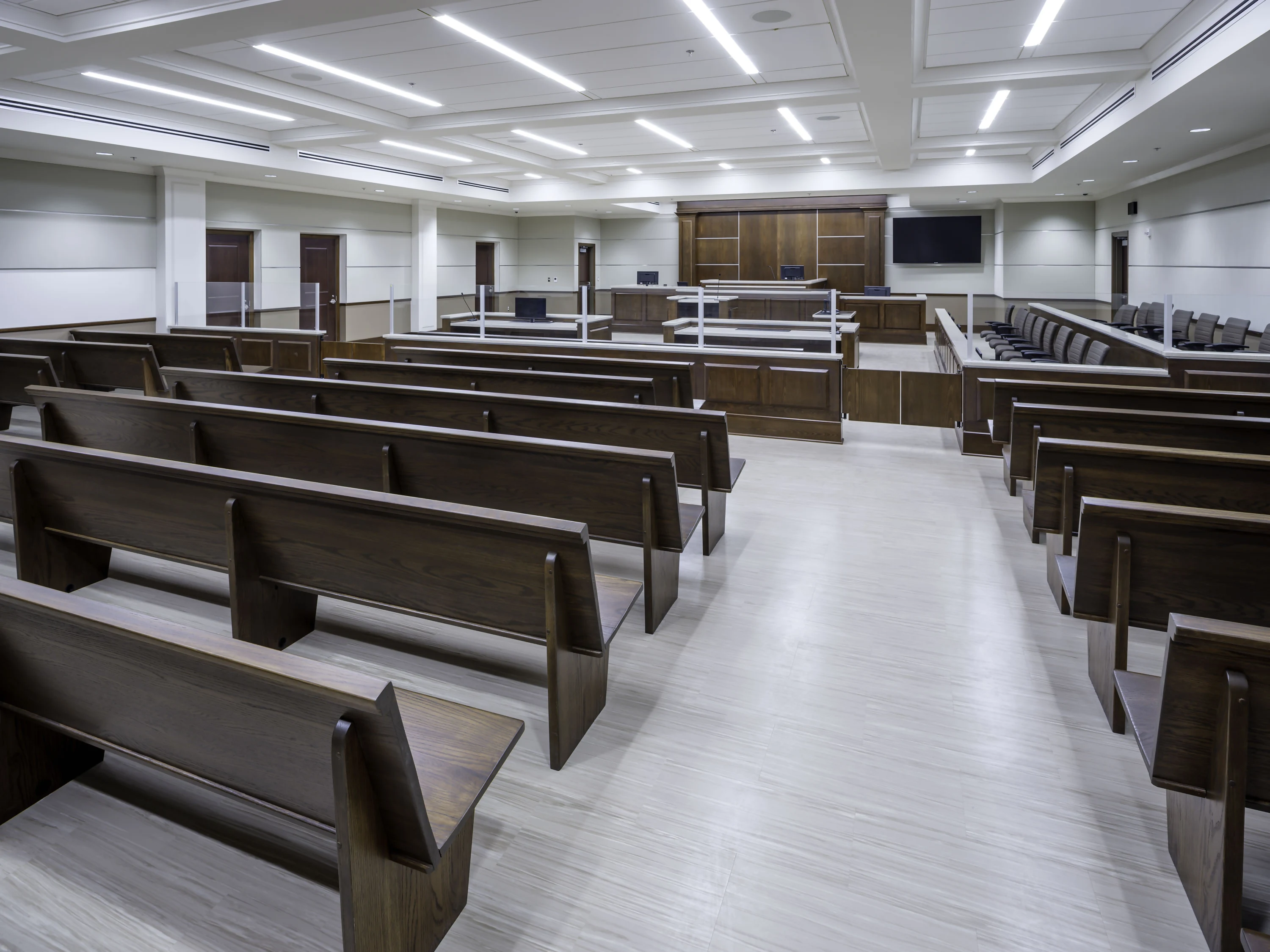
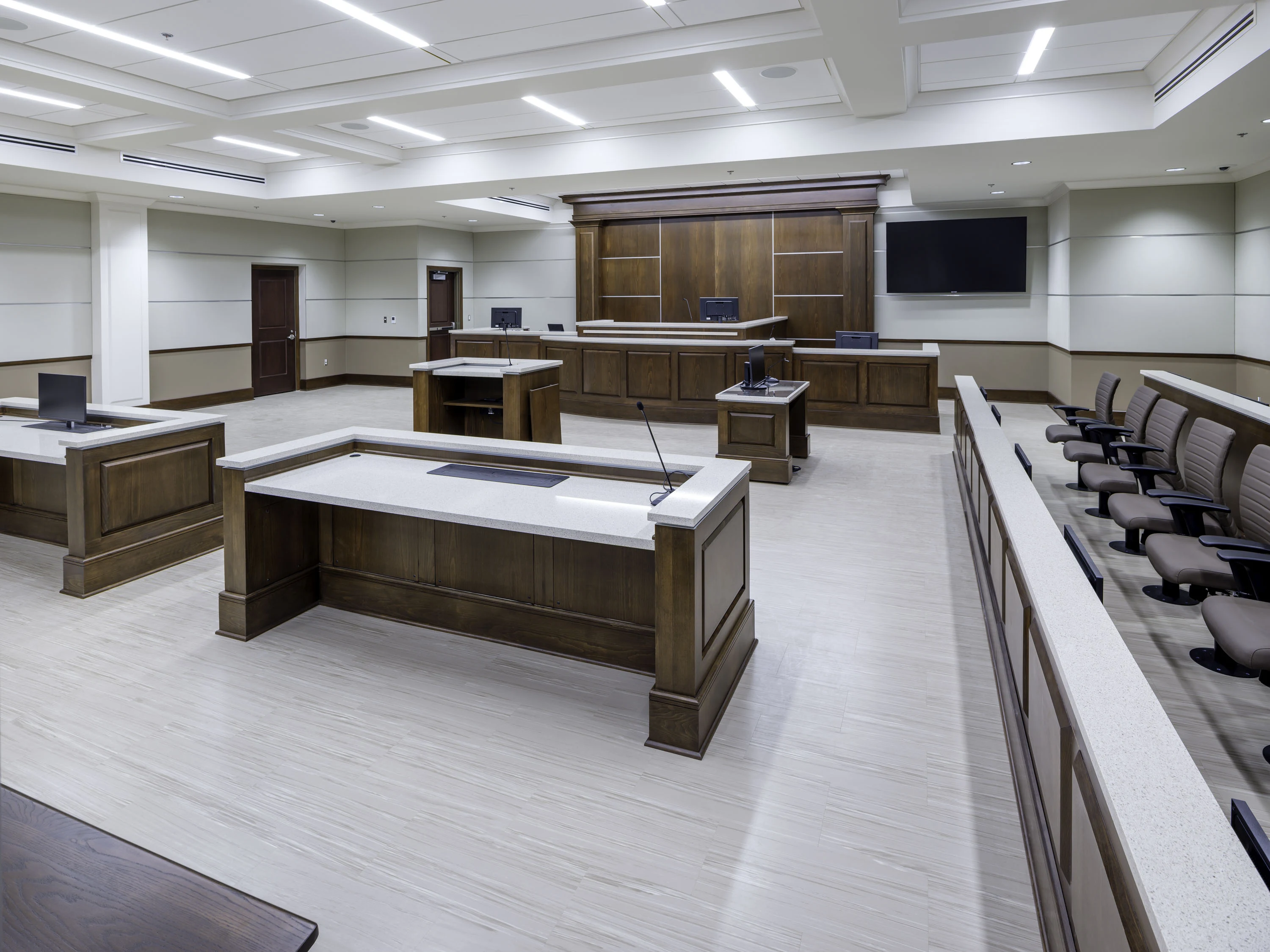
The courthouse component comprises two courtrooms for the circuit, sessions, and criminal courts, along with a third courtroom for juvenile court hearings. It includes judicial offices, administrative areas, and community services.
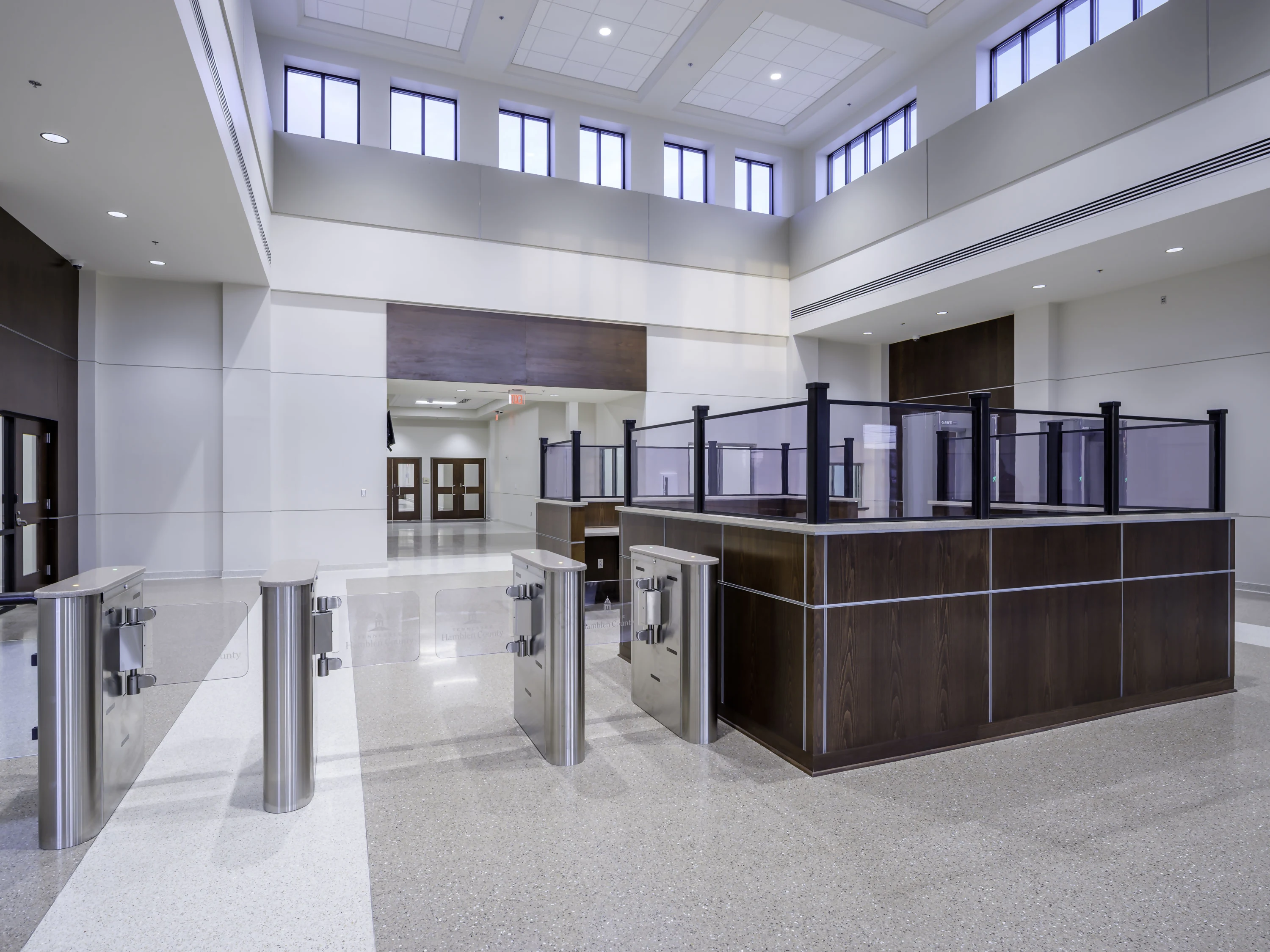
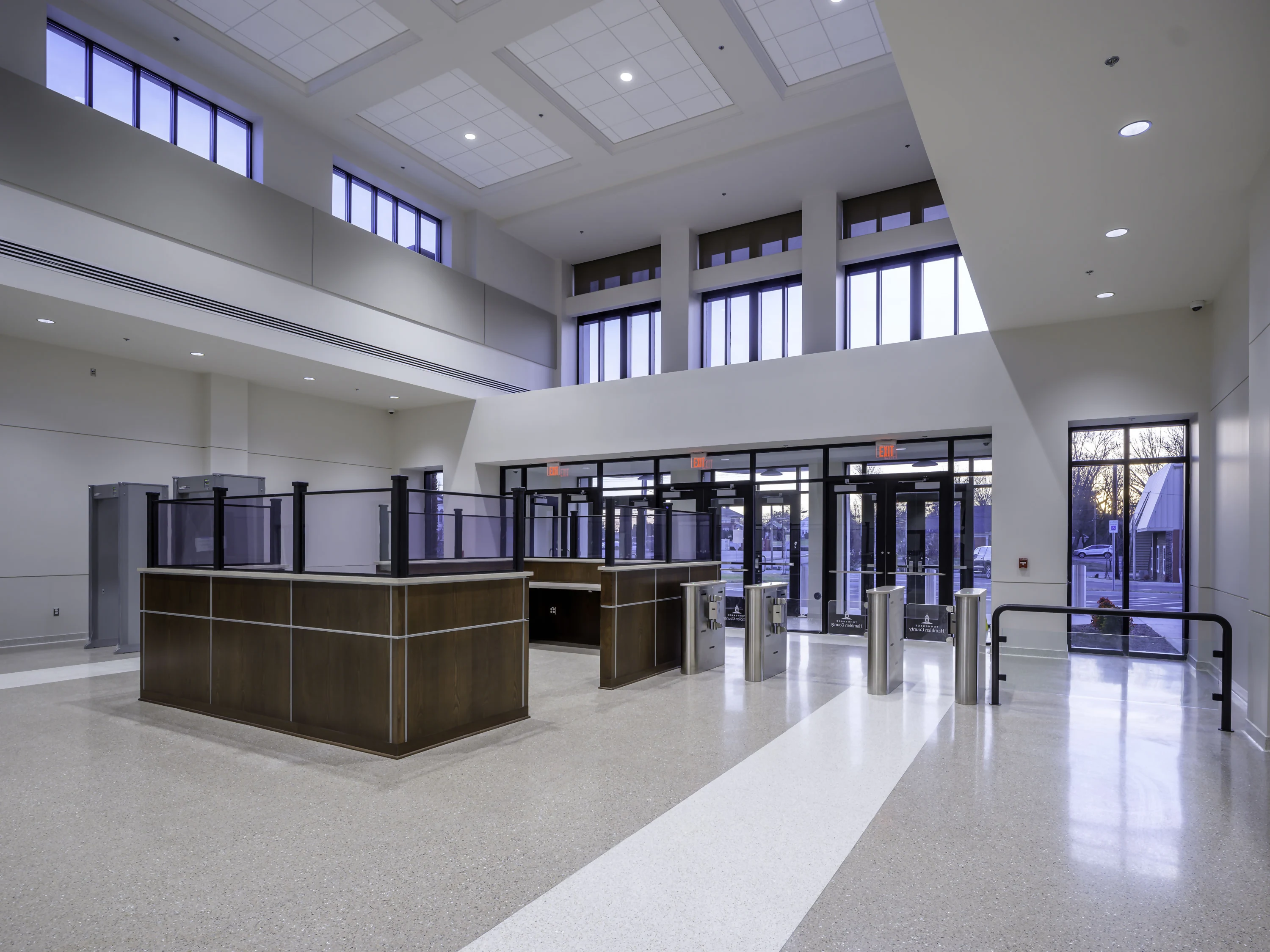
The symmetry and balance of the architectural elements convey a sense of fairness and impartiality. In the main lobby, elevated ceilings and warm wood paneling establish elegance and dignity. Natural light filtering through clerestory windows softens the space. The design harmonizes the ceiling layout, lighting, and mechanical systems with the acoustics, audio-visual technology, and millwork.
Detention Center
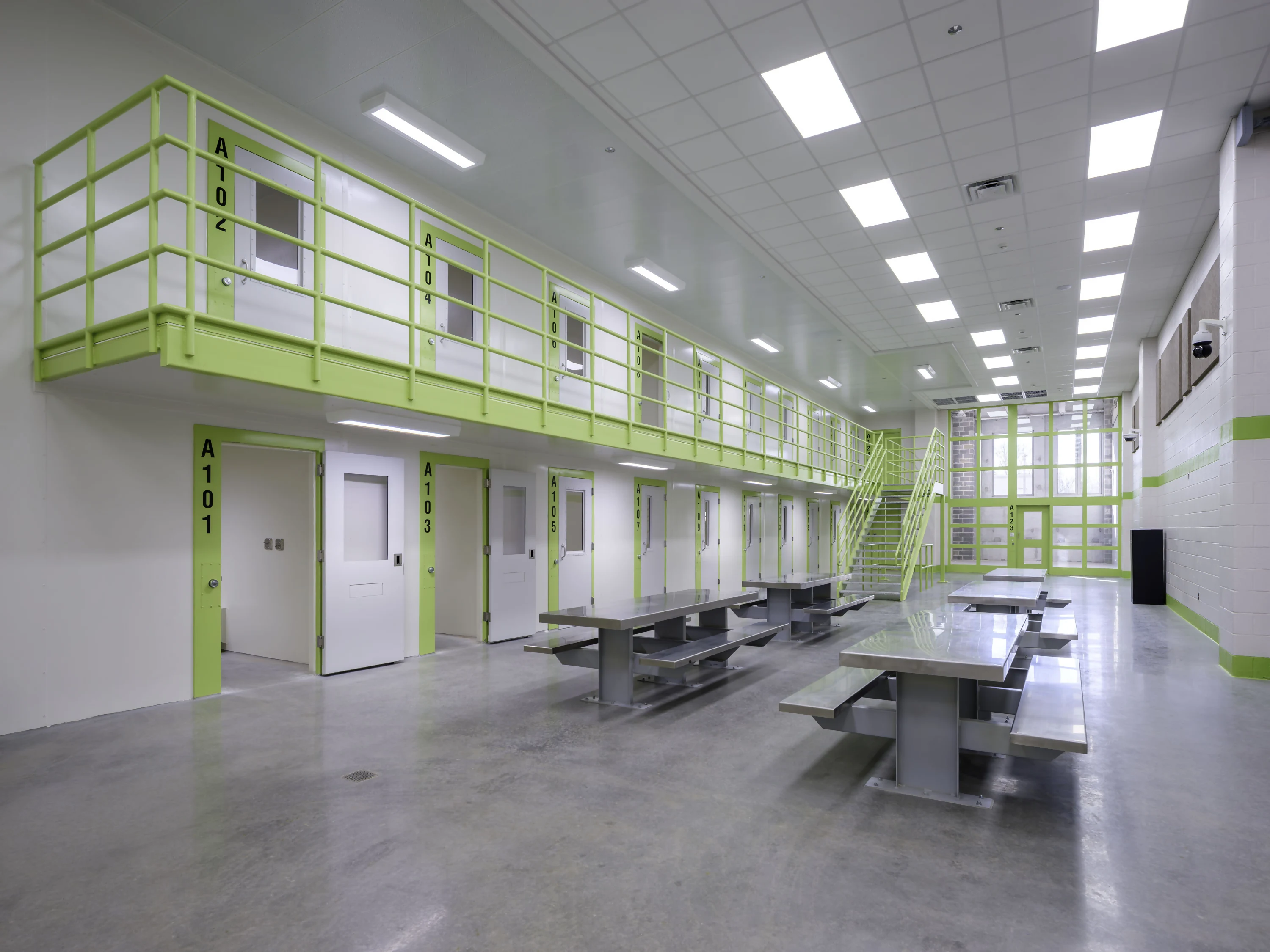
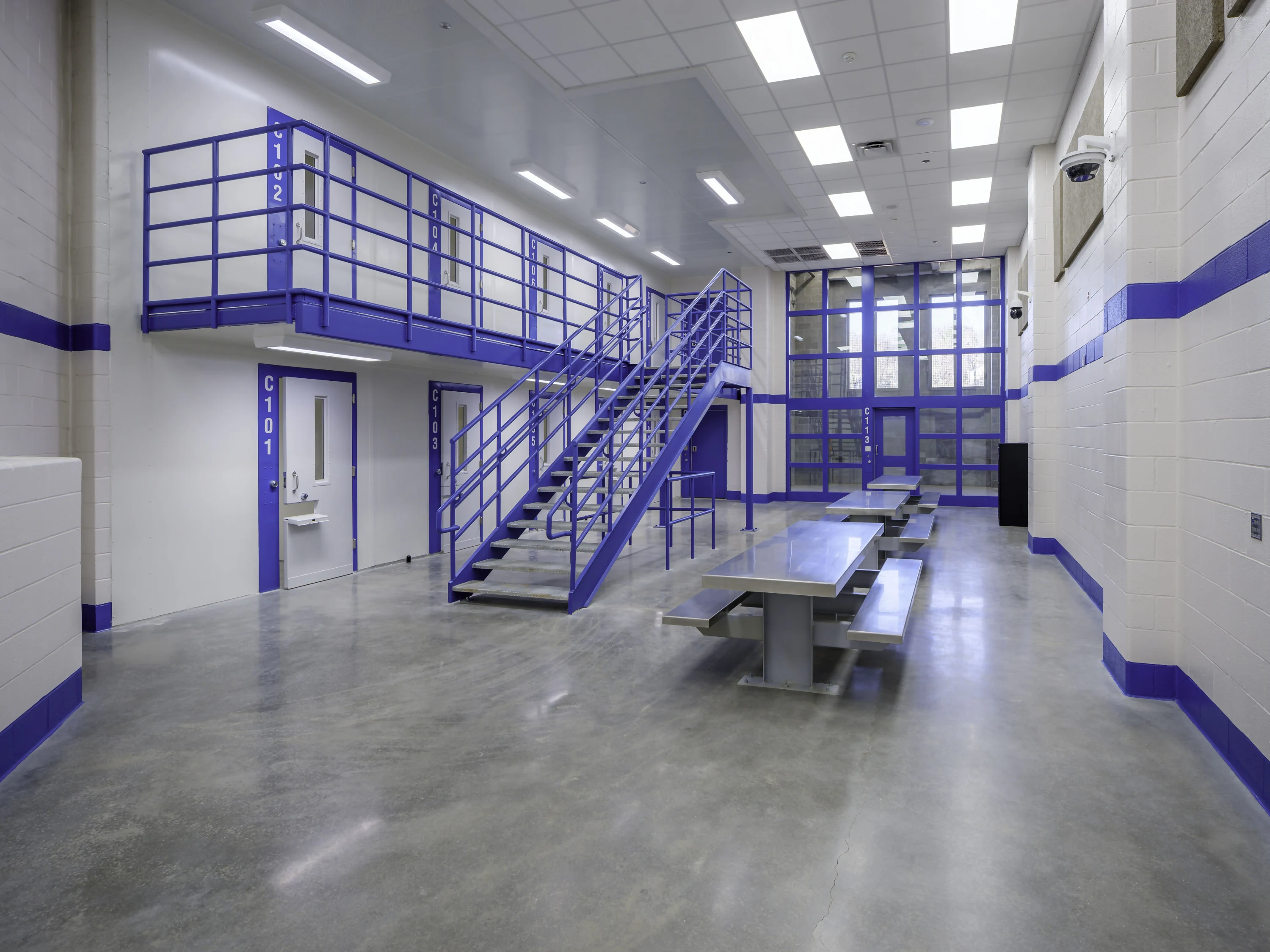
The multi-story detention center provides 621-bed core capacity with infrastructure to support 750 inmates. Food services, laundry, the booking area, and inmate property storage are difficult to enlarge once a detention center is occupied; these areas will allow Hamblen County to grow in the future. Additional spaces include celled and dormitory housing; areas for medical, dental, mental health, counseling, education, vocational training, and religious assembly; staff training; a warehouse; indoor and outdoor recreation; a vehicle sally port; and both internal and external administration.
The facility can classify and house inmates according to the nature of their offenses, enhancing safety by reducing inmate-on-inmate violence and enabling more appropriate, controlled housing assignments.
The detention center supports contemporary justice reform principles through expanded educational and rehabilitative programming, including GED instruction, domestic violence education, substance abuse treatment, and anger-management courses. Reducing repeat offenses emerged as a guiding principle expressed by project stakeholders, reinforcing the facility's role not only as a place of custody but as a catalyst for rehabilitation.
Moseley's architectural and engineering team collaborated closely to integrate functional building systems that prioritize safety, efficiency, and occupant well-being.
Backup generators provide complete power support for the entire detention center and critical courthouse operations. Lighting throughout the detention center was designed to support staff and inmate well-being, with fixtures that minimize glare and maximize natural light. Sound-absorbing panels in the courthouse reduce background noise, creating a calmer environment.
The facility uses durable, low-maintenance materials and energy-efficient systems to reduce operational costs. Flooring requires no waxing or refinishing. Automated lighting controls conserve energy while giving staff precise control. The ventilation system maintains healthy indoor air quality while recovering energy. Security features include reinforced doors and windows, impact-resistant glass, and specialized detention furnishings.
The facility exceeds energy code requirements and demonstrates measurable outcomes in safety, sustainability, and human-centered design. By balancing operational efficiency, occupant experience, and civic presence, the justice center strengthens public trust in the justice system while delivering lasting value to the community.