Melissa
Almond
Interior Design Operations Manager
Heading


At the heart of the facility's security infrastructure is the Intercept contraband detection system, one of only twenty such installations in North Carolina. This technology provides comprehensive screening capabilities for weapons, drugs, and other prohibited items, significantly enhancing facility security while streamlining the intake process.
The center's mechanical engineering systems deliver both safety and sustainability. Housing areas feature dedicated outside air units equipped with energy recovery systems, variable speed compressors, and fans, delivering optimal temperature and humidity control while minimizing energy consumption. The administration areas utilize variable air volume air handlers with parallel fan powered terminal units, enabling precise temperature control for staff comfort and operational efficiency.
Special attention was given to the medical wing's HVAC design, incorporating separate air handling systems to prevent cross-contamination. This engineering solution helps maintain a healthier environment by ensuring that air from medical areas is not recirculated to other parts of the facility, reducing the risk of airborne contaminants.
The facility's plumbing systems combine security and functionality. Manual shut-off and motorized solenoid valves on domestic water systems provide precise control over water access throughout housing areas, showers, and dormitories. These valves are managed through the security electronic system in the master control room, with visual confirmation of valve positions enhancing operational oversight.
Structural engineering features include cantilevered walkways along cell fronts, eliminating the need for support columns and maximizing visibility for corrections officers. This design enhancement improves sight lines and operational safety while maintaining structural integrity.
The center's electrical infrastructure features 100 percent generator backup, ensuring uninterrupted operation of critical systems during power outages. This comprehensive approach to power reliability supports all facility functions, from security systems to daily operations.
The facility includes a secure 3,000-square-foot vehicular sally port accommodating various transport vehicles, six recreational yards, and a full-service kitchen capable of preparing over 800 meals daily. The integration of video visitation technology provides secure and efficient means for inmate-family communication while reducing contraband risks.
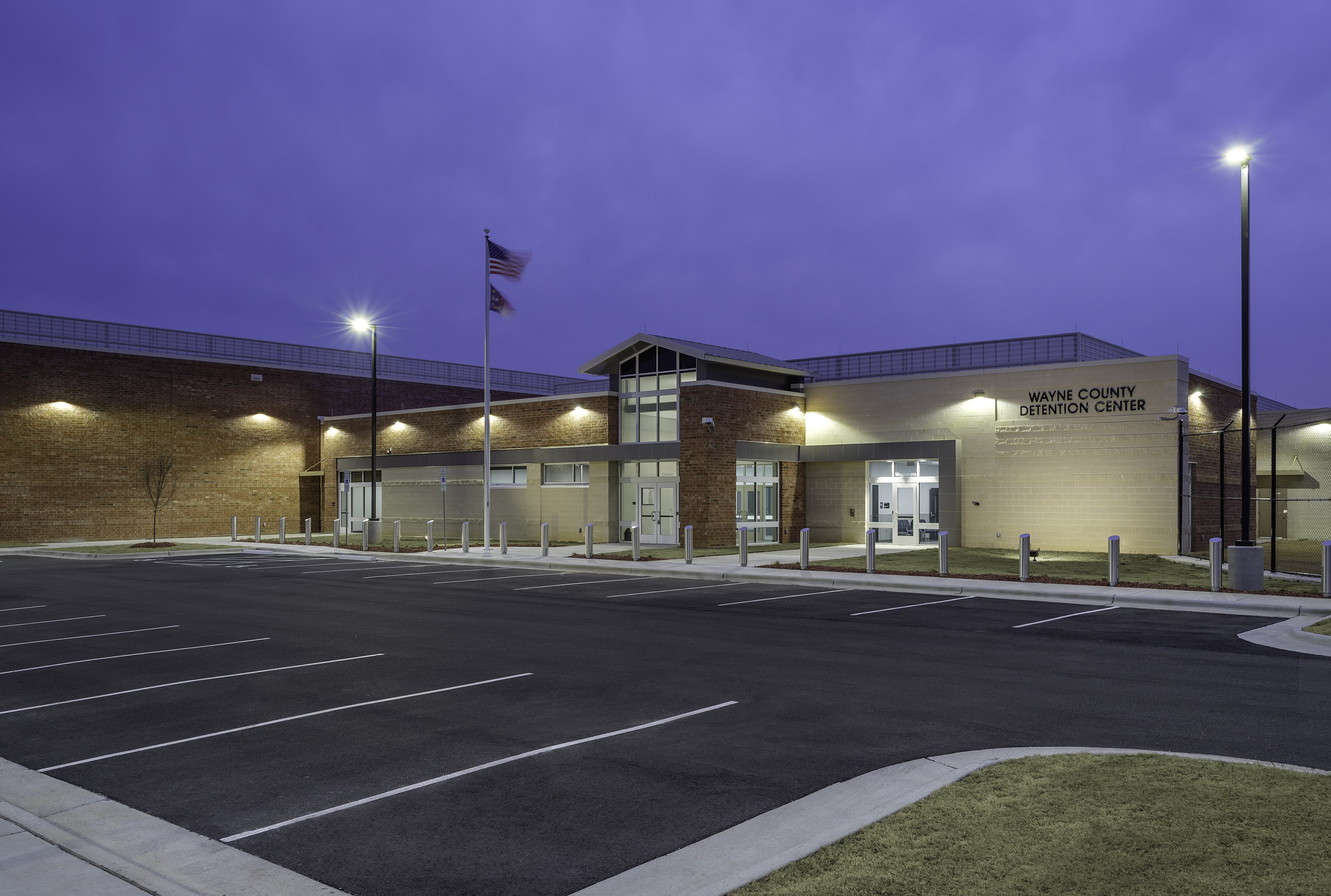
The project's effectiveness is evidenced by its fiscal efficiency, coming in approximately $12 million under budget when completed in April 2020. The detention center, along with its neighboring public safety building, forms a key component of Johnston County's justice campus, setting a high standard in correctional facility design and engineering.