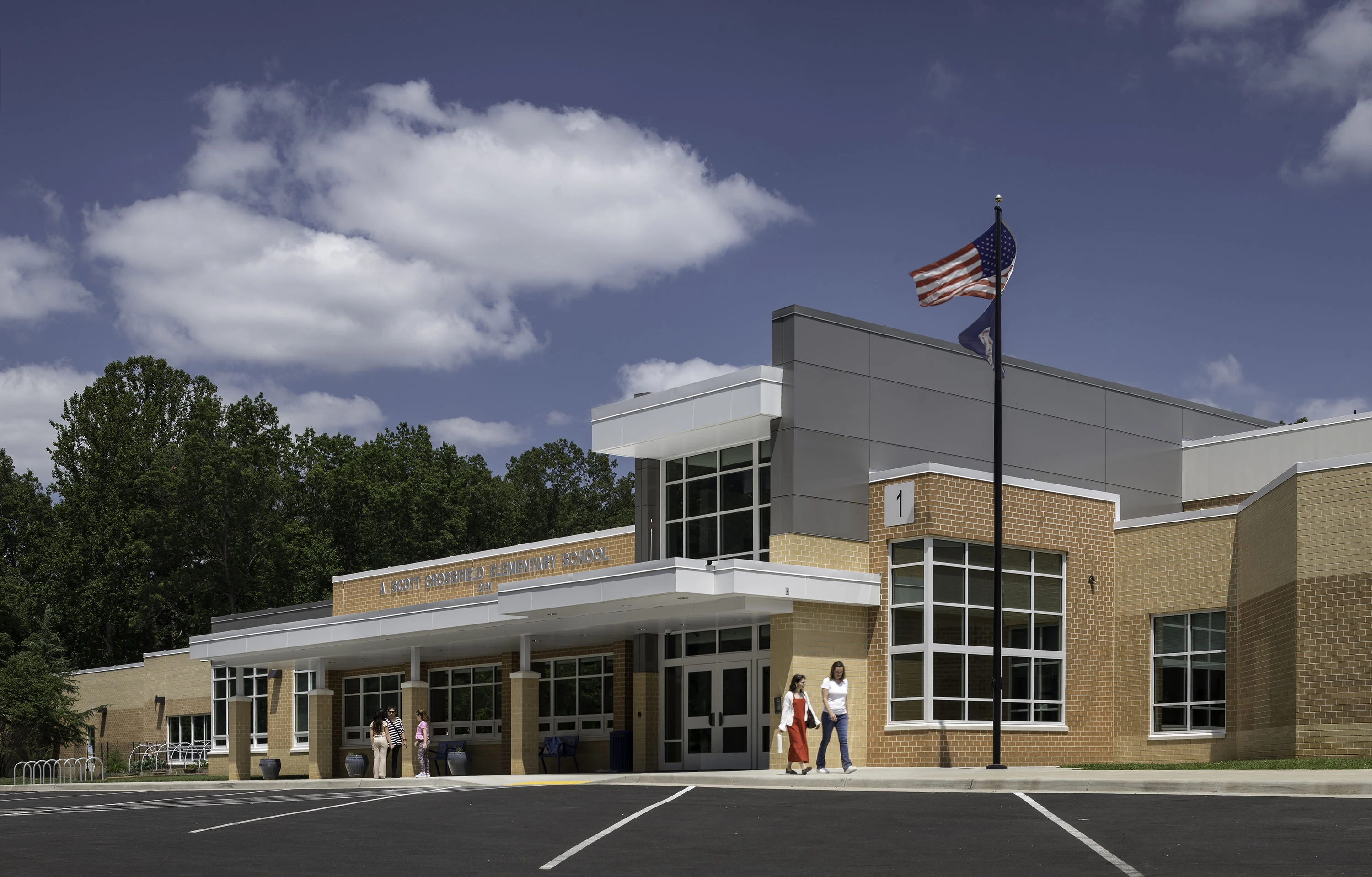
Crossfield Elementary School in Fairfax County, Virginia, recently earned recognition as a Collaborative for High Performance Schools (CHPS) Designed school from the U.S. Green Building Council (USGBC). This highlights how the space prioritizes effective learning, infused with design solutions that help improve student performance in a healthy academic environment.
To earn this recognition, a school must prioritize energy efficiency, long-term cost-effectiveness, and overall wellness of students and staff. Through an integrated design process, the Moseley team partnered with Fairfax County Public Schools (FCPS) to incorporate solutions that meet this criterion through end-user focused, environmentally responsible design features.
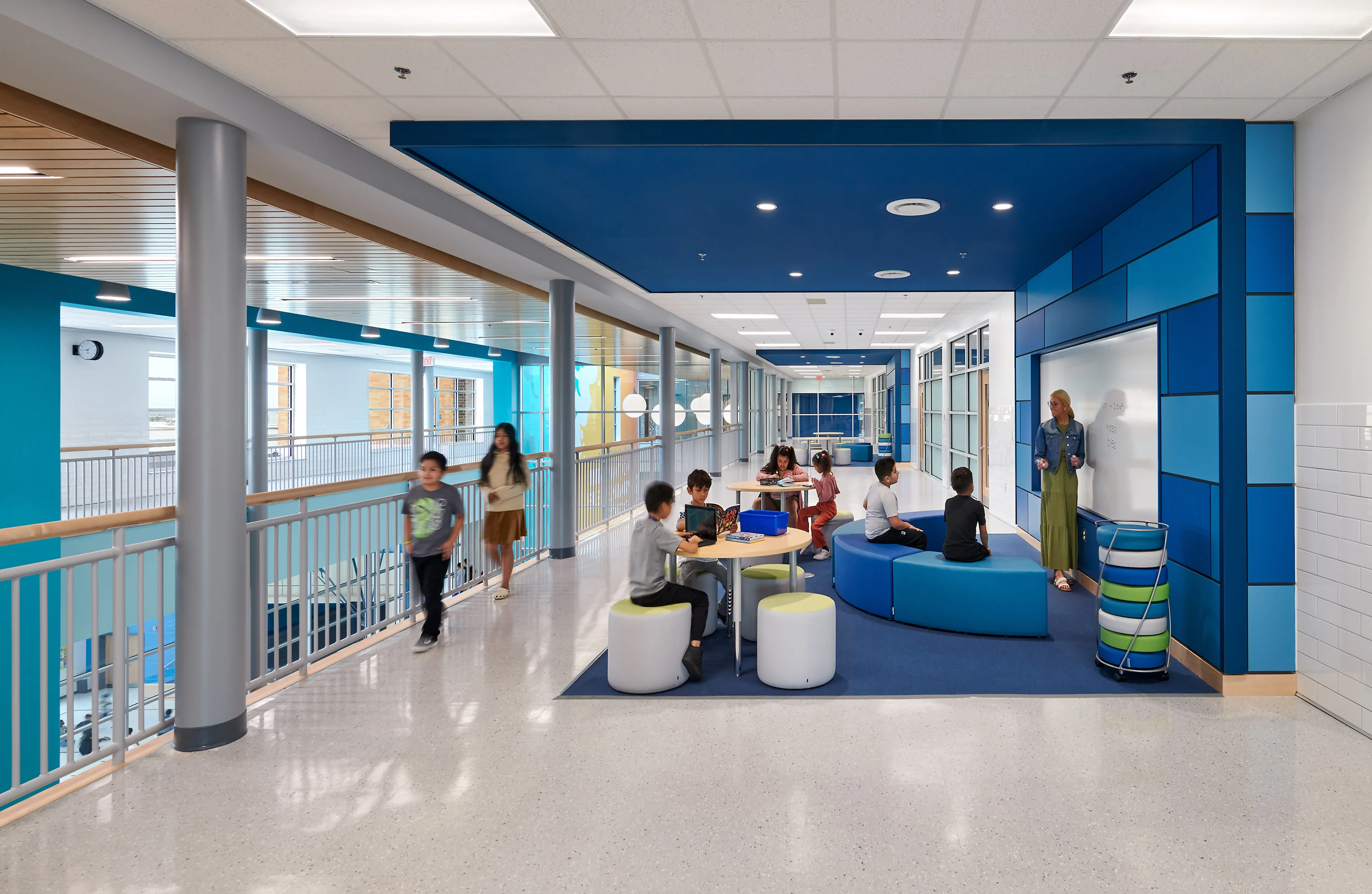
“We collaborated to create a sustainable, efficient, healthy, and engaging environment that uses the entire building and outdoor spaces to support flexible, student-centered learning,” says Moseley project manager Molly Merlo. “With abundant natural daylight and a focus on well-being, earning CHPS Designed status reflects our strong commitment to student success and dynamic learning environments.”
Outdoor Connection
One way that the team prioritized sustainability and well-being at Crossfield Elementary School is by incorporating a connection to nature. Throughout the building, end users have both strong exterior sightlines and direct, hands-on access to the outdoors.
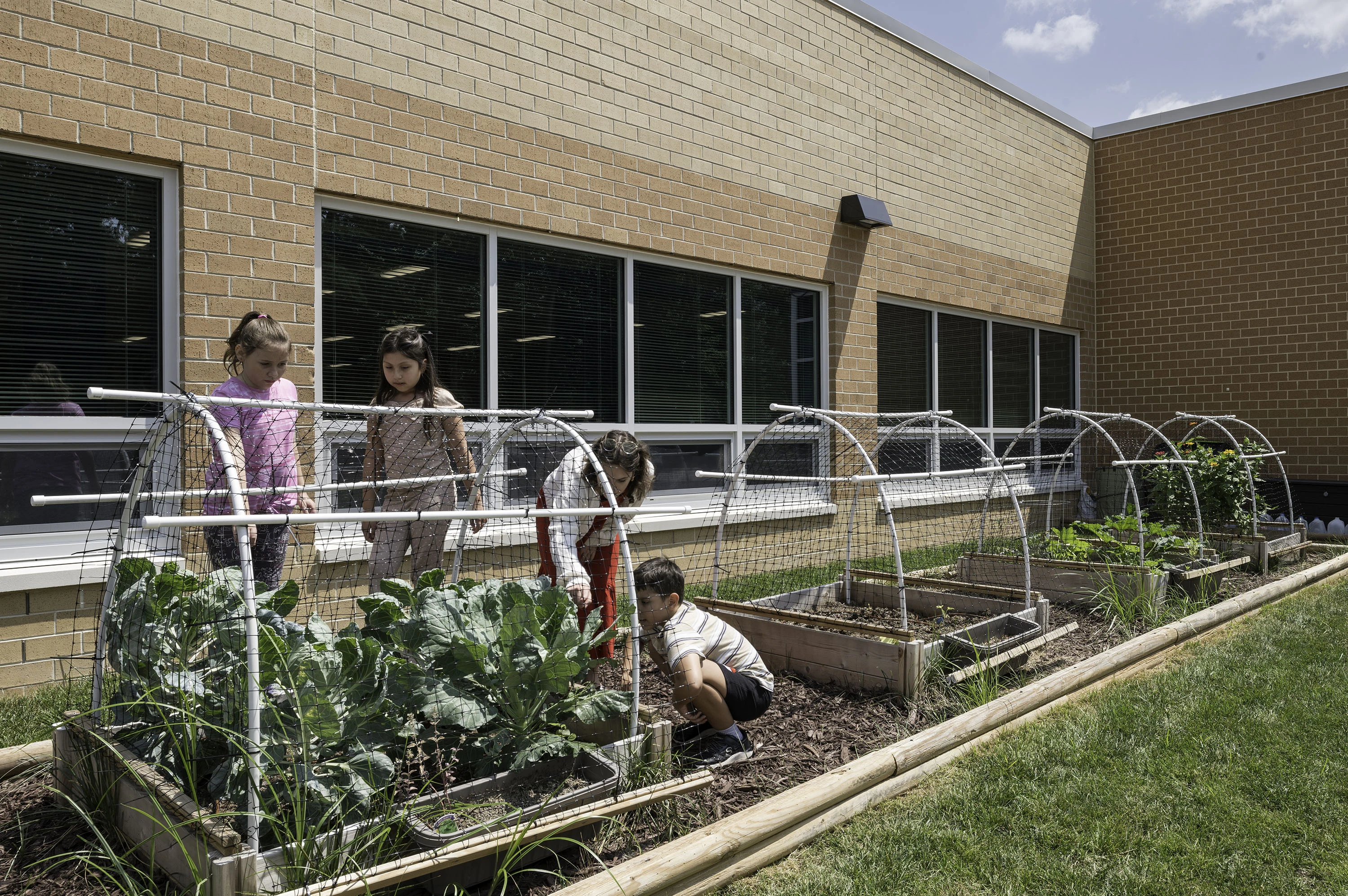
The team emphasized strong biophilic design through the following features:
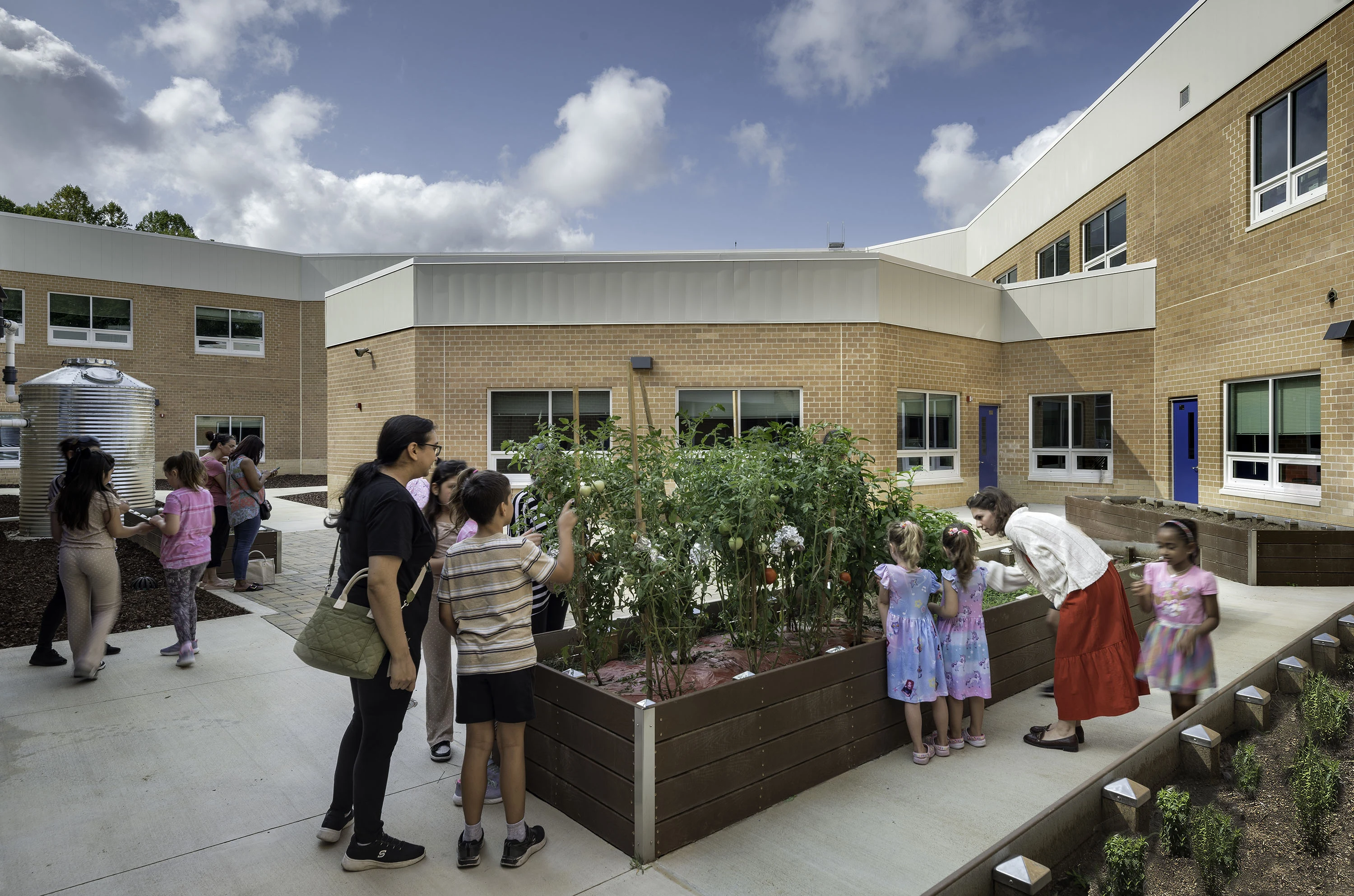
- A secure courtyard and an outdoor classroom that integrate learning with nature to support environmental awareness. The courtyard includes over 800 square feet dedicated to edible plants, as well as raised beds in front of the building.
- A school garden that allows students to directly interact with the elements. This kind of outdoor learning provides natural stress relief, boosts mental clarity, and allows for a well-rounded understanding of sustainability concepts.
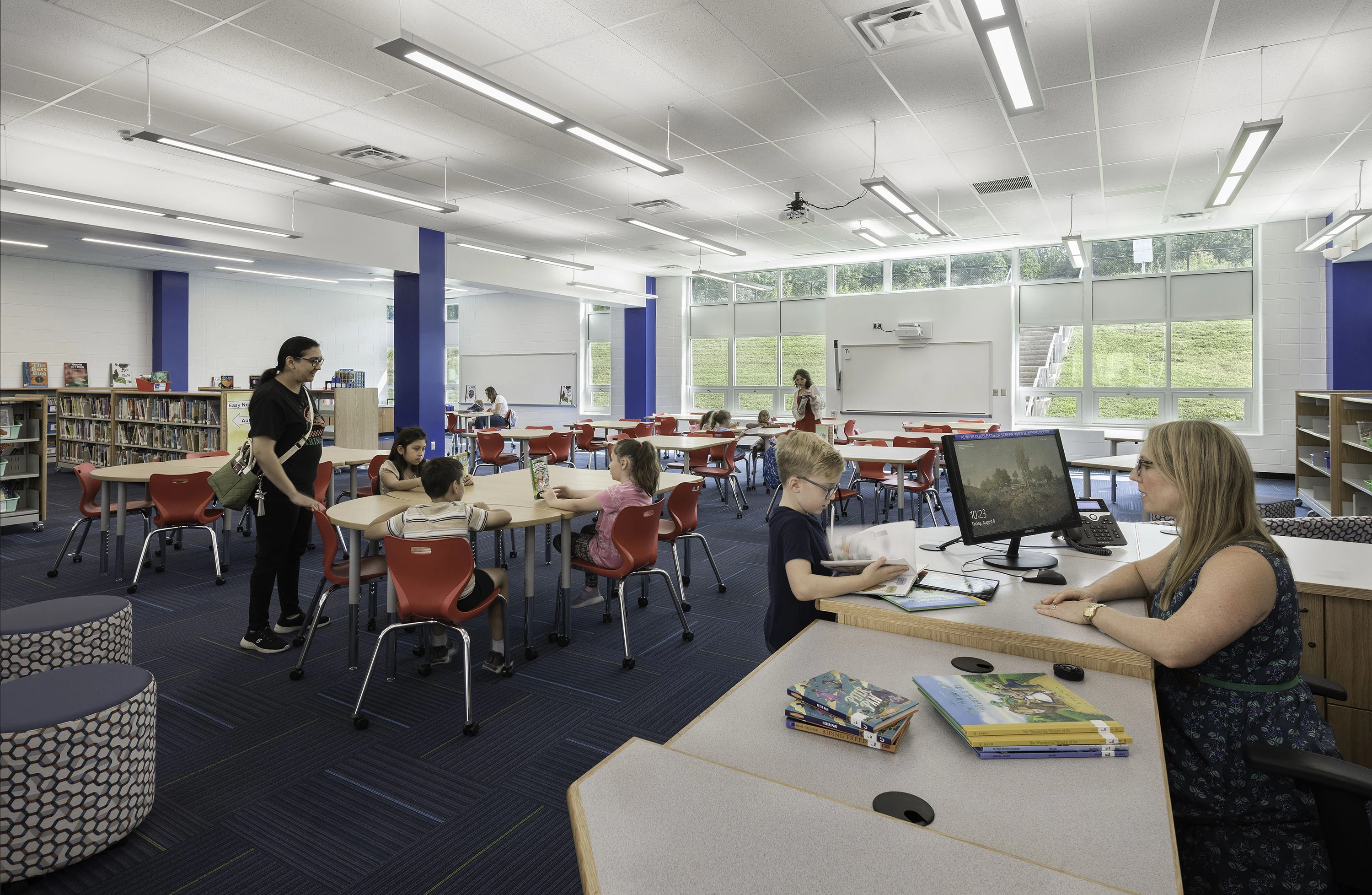
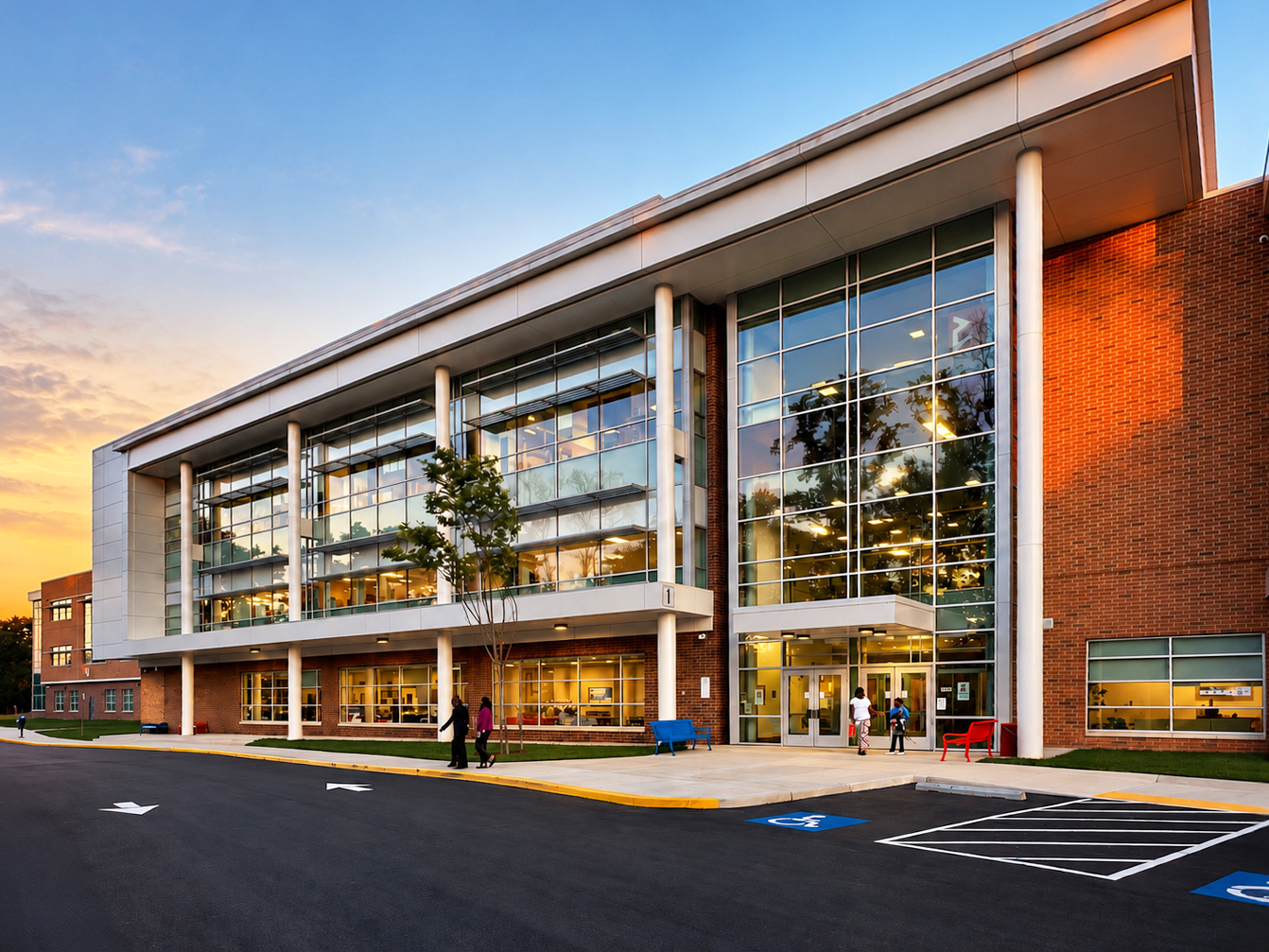
- Enlarged window areas provide enhanced views of the outdoors throughout the renovated building.
- Direct access to outdoor views from 82.7% of the combined floor area, which includes core classrooms, library reading rooms, and administration areas. This allows natural light to enhance the learning environment.
Effective Space Planning
The project also features thoughtful use of space and layout to optimize the learning environment and reduce waste. Making better use of available space was one strategy, which included turning the former library into an art room and the original art room into a classroom. Opting for reuse over demolition supported sustainable solutions by utilizing what already exists and consequently reducing demolition waste. Our team also expanded the school’s library with a maker space. This supports interactive, hands-on learning that engages a range of learning styles. Together, these measures help improve student performance, create more efficiency within academic spaces, and responsibly use existing resources.
An Efficient and Healthy Environment
The renovation and expansion places water and energy efficiency and end-user health at the forefront. Measures taken to prioritize these goals include:
- A rainwater cistern functioning as a water source to irrigate the school’s new garden beds.
- Using low-emitting construction materials to support a holistically healthy environment.
- Efficient plumbing fixtures that reduce water use and lower long-term operating costs.
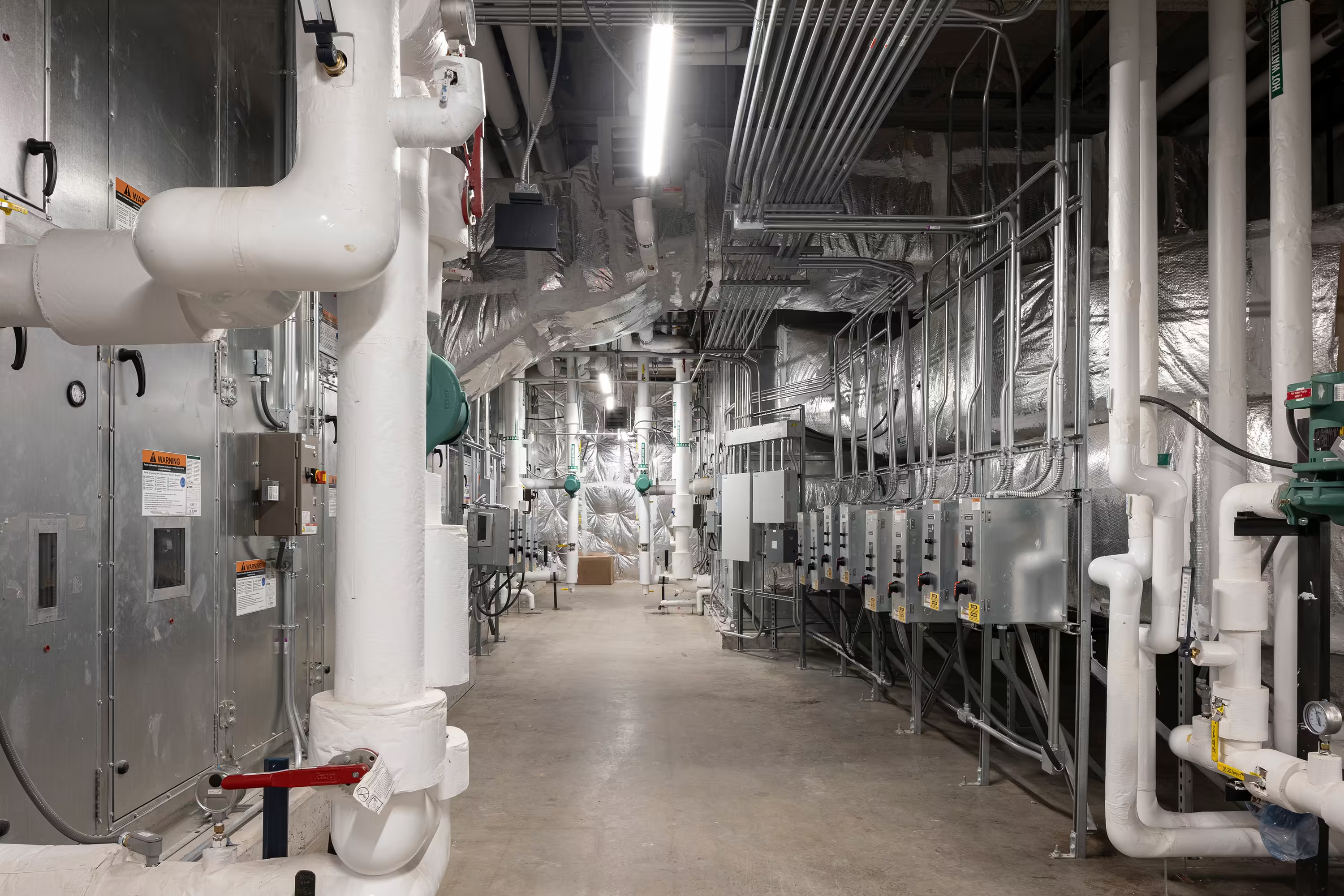
- An energy management system to maintain the building’s efficiency, including daylight metering, occupancy sensors, and dimmable lighting to offset peak energy load consumption and reduce operational costs.
- A ventilation system along with classroom operable windows that boost health and academic outcomes.
- 92% of construction and demolition waste diverted from landfill, reducing waste and supporting sustainable reuse of material.
An energy model using the 2015 International Energy Conservation Code showed the building is expected to use 36% less energy than similar schools. Additionally, the Environmental Protection Agency (EPA) approved Crossfield Elementary School for Designed to Earn the ENERGY STAR recognition.



.webp)





























.avif)