Detention facility design requires a thoughtful balance between operational efficiency and employee well-being, demonstrating an understanding of the inherent difficulties that contribute to burnout, turnover, and subsequent retention challenges within the field. While certain stressors are inherent to detention centers, the built environment can help create more balanced conditions that support safety and functionality while also providing spaces for decompression throughout the day. This helps support a healthier environment for staff, infused with an understanding of and sensitivity to daily on-the-job challenges. It also yields benefits in the realms of community protection, inmate safety, and rehabilitation efforts.
Moseley’s justice sector includes design professionals who have previous experience working as jail administrators, giving us a firsthand understanding of the challenges faced by law enforcement personnel. Because of this, we have a uniquely personal commitment to designing supportive spaces in which physical safety, mental health, and emotional well-being are at the forefront of our efforts.
Design Strategies to Support Staff
There are several obstacles to staff well-being in detention facilities. These may include:
- Roadblocks to physical safety, such as poor sightlines and aging technological infrastructure
- Lack of break rooms or dining spaces separate from the inmate population
- Limited daylighting and connection to nature
- Minimal wellness spaces for refuse from highly stressful or traumatic events
Design strategies can address each of these issues, consequently fostering a better work environment for staff and reducing the potential for burnout. The hope is that this will contribute to greater retention and create a healthier experience for all end users on a holistic level.
The Impact of Modernized Environments
First, the very act of updating an environment’s aesthetic can have a profound effect on how the space is experienced. When equipment is outdated, paint is peeling, and there are no amenities, these issues add to the stress of an already demanding job. By transforming a facility into a modern, more functional workplace, staff can experience physical, mental, and emotional benefits.
Physical Safety
The most important elements of detention facility design are safety and security. Both a thoughtful layout and modern technology can help address this issue. The following outlines ways design teams can support physical safety:
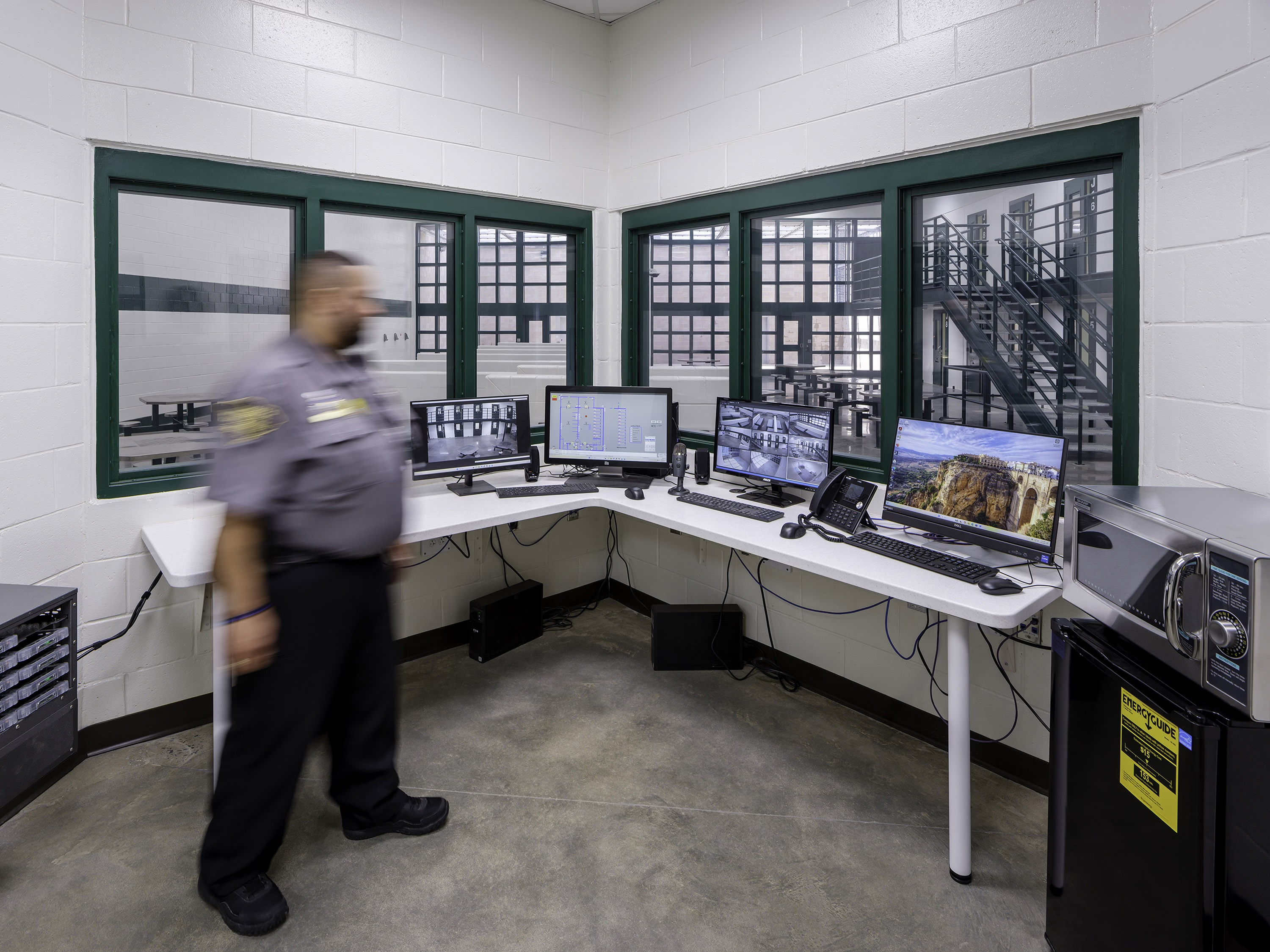
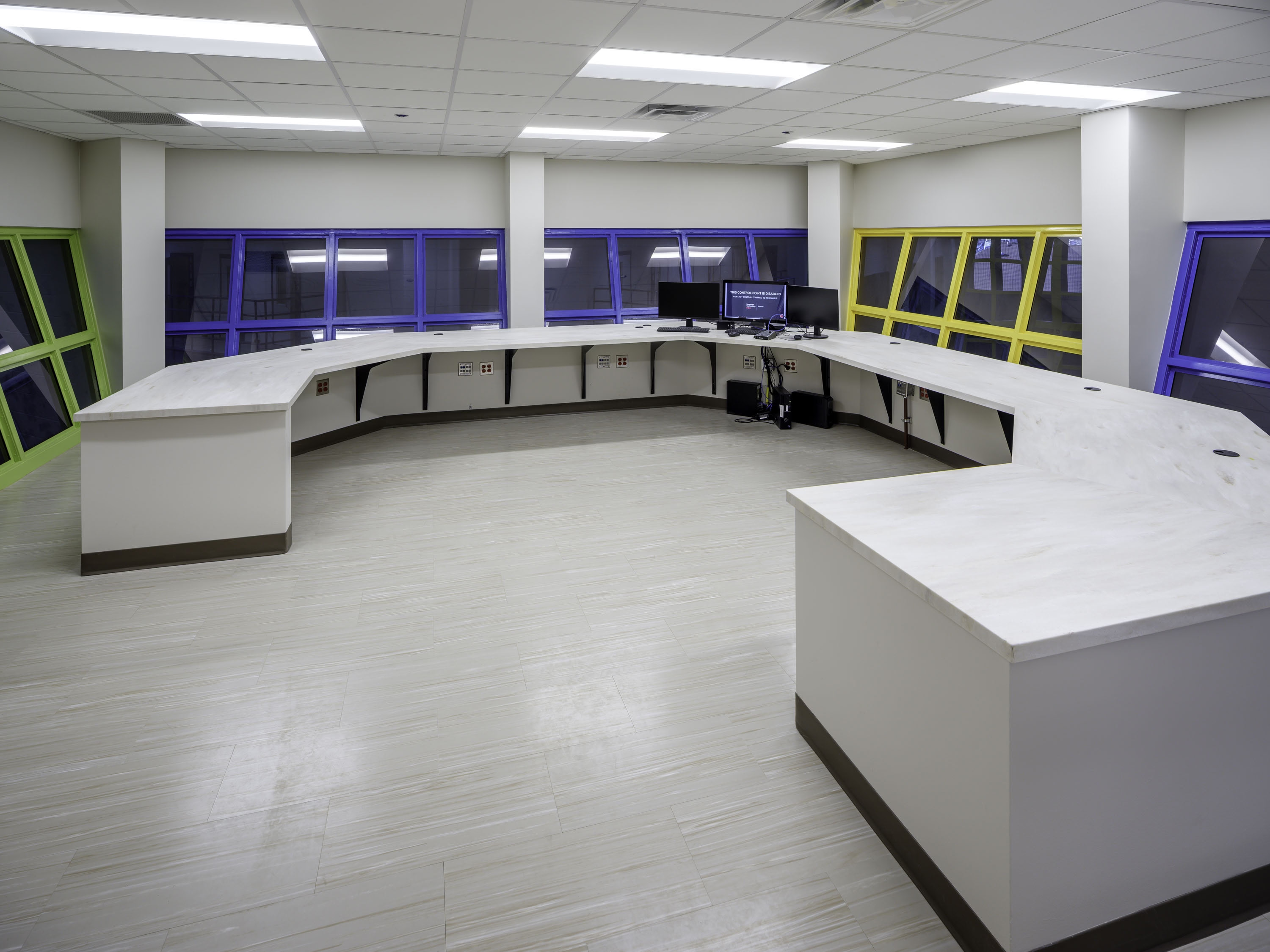
- Improved sightlines for correctional officers via radial design and cameras. Radial design is a layout applied to inmate housing areas, where multiple cell blocks extend outward from a single control area. This allows staff to supervise from a central location while maintaining visual oversight of the entire space. Additionally, strategically placed cameras throughout the facility help eliminate blind spots.
- Accessible service chases and support spaces that allow maintenance staff to perform their duties from outside housing areas. This differs from older detention facility designs, which typically required them to enter housing units with an escort as a safety precaution. Reducing the need for maintenance personnel to enter inmate-occupied zones helps create a more secure and efficient working environment.
- Alongside building-wide technology, officer-specific elements foster greater workplace safety. These may include man-down systems, which triangulate the location of a staff member in an emergency, shortening response times for help. These may also include security camera analytics and object tracking, allowing personnel to quickly locate any potential threats within the facility and monitor them. Design efforts can contribute to these technological advances by providing in-house expertise and designing infrastructure that supports them.
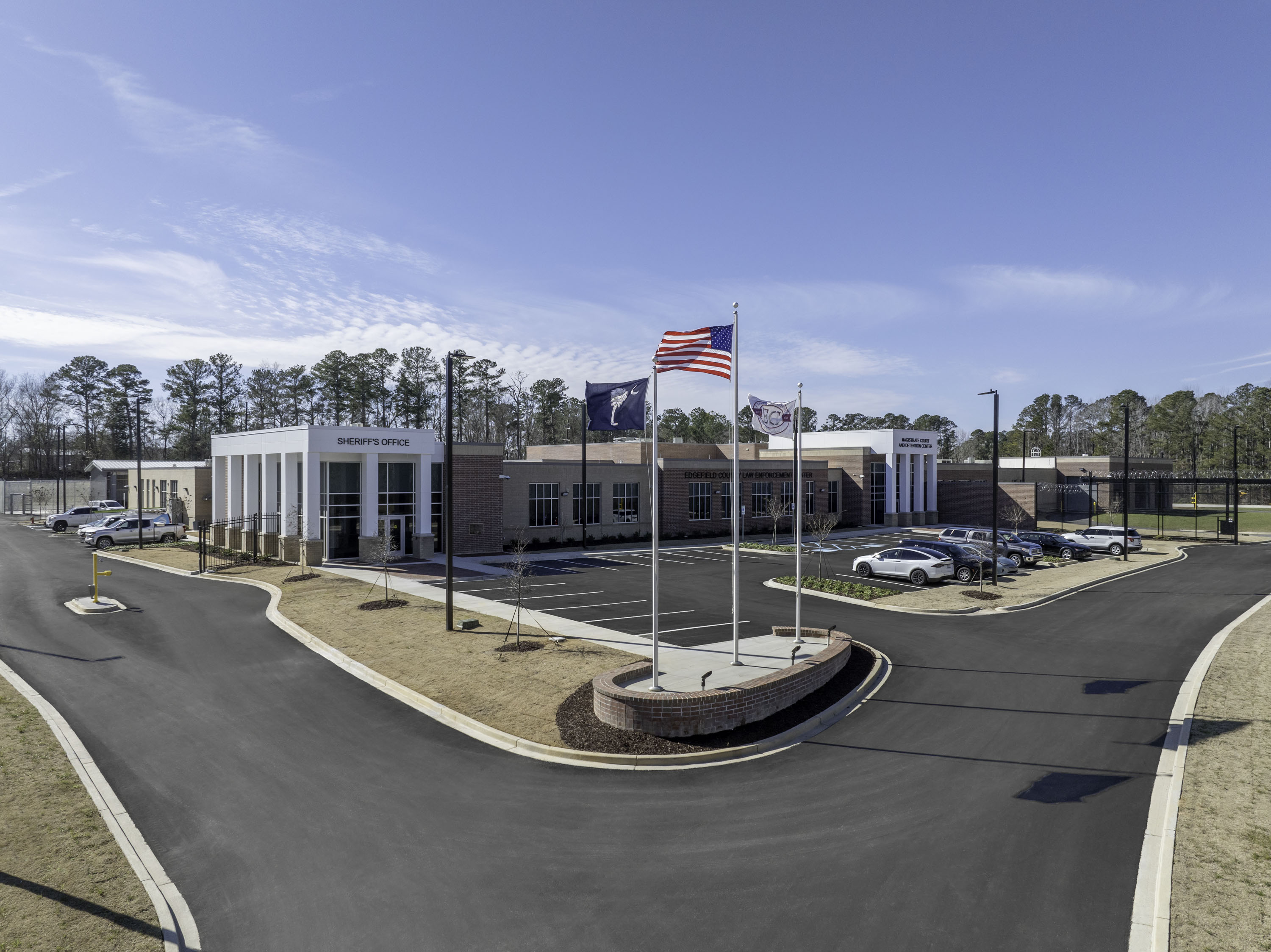
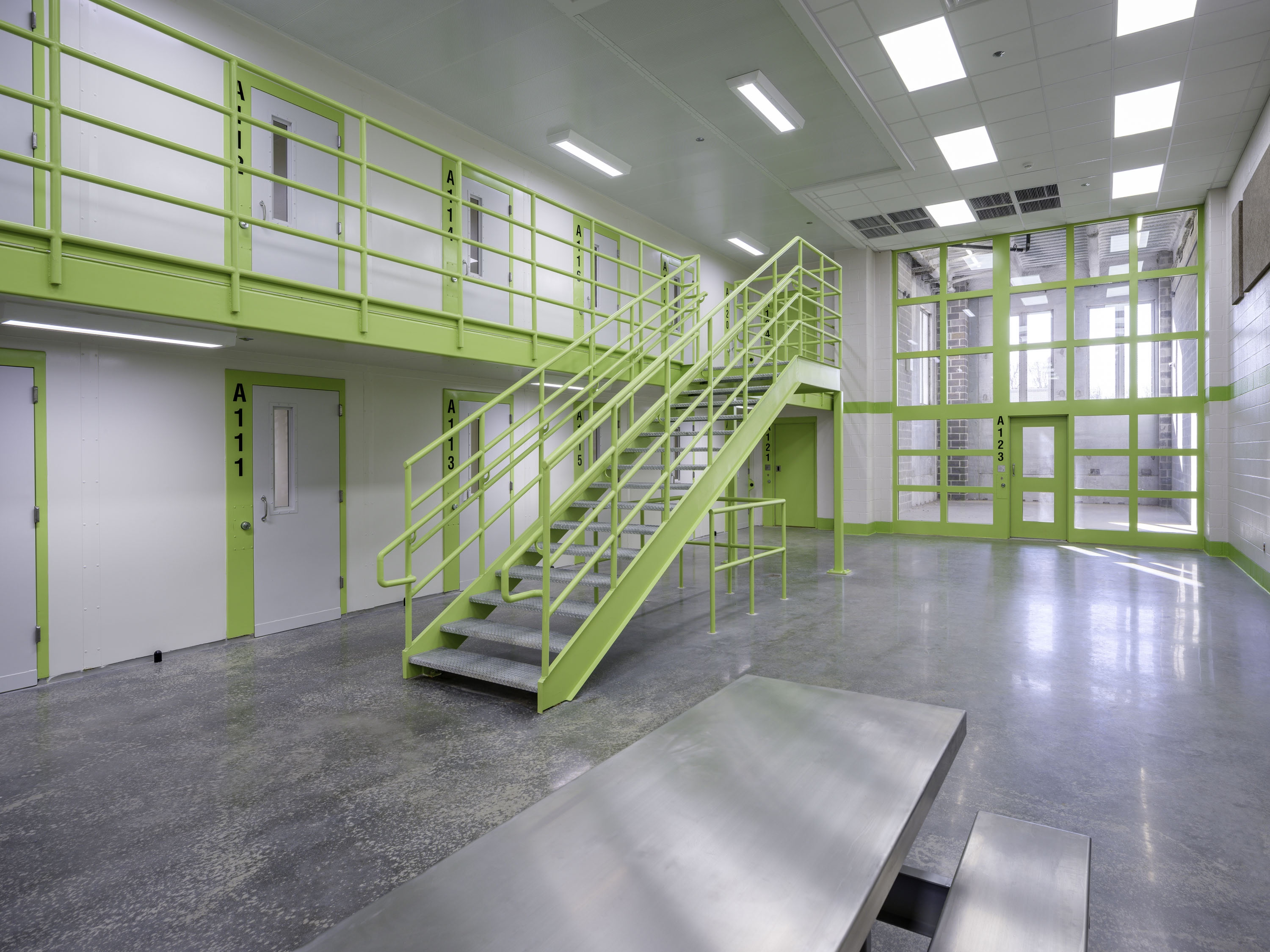
Moseley’s work on South Carolina’s Aiken County Detention Center exemplified these measures by prioritizing functionality, visual oversight, and comprehensive safety measures in its design. “From an operational standpoint, the design developed by Moseley demonstrates a strong understanding of detention environments,” says Major Nick Gallam, the facility’s jail administrator. “The improved sightlines and strategic placement of CCTV cameras significantly enhance our ability to safely supervise inmates while also improving the safety of our staff.”
Likewise, Moseley is currently collaborating with Anderson County, South Carolina, on a new detention facility, which is set to be completed in 2026. Enhanced safety is a major component of this project, achieved through a thoughtfully designed building layout. According to Captain David Baker with the Anderson County Sheriff’s Office, “This modern design of our new jail significantly improved safety and security for both staff and inmates while expanding the facility’s ability to provide essential services. Enhanced design features such as the strategic placement of control rooms for overwatch, unobstructed sightlines, better separation of housing classifications, and cutting-edge surveillance systems further strengthened overall safety.”
Mental and Emotional Well-Being
Another element contributing to the quality of experience for staff is support for mental and emotional health. While the inherent nature of any position within a detention facility can inform these things, the built environment can help minimize the impact of a negative environment. Fostering positive psychological effects also ties directly into physical safety, a valuable consequence for both facility personnel and the inmate population. In our justice sector’s work, Moseley is cognizant of how the safety and well-being of one group informs that of the other and works in pursuit of the health of both.
“The new [Anderson County Detention Center] creates dedicated spaces for programs that were not possible in our old jail, including medical and mental health treatment rooms, educational and counseling areas, and re-entry support services,” says Captain Baker. “These additions allow the facility to better address inmate needs, support rehabilitation, and improve operational efficiency for staff.”
Additional design elements that impact mental and emotional well-being include:
- Creating a healthy distance between employees and the detention center environment they are in for most of the workday. This may include staff dining areas that are separate from inmate view and interaction. By designing spaces that create a physical boundary during meal or break times, it facilitates a mental separation from the center’s operational intensity.
- The inclusion of natural light throughout the facility, which helps create a more normative, circadian-regulated environment, thus producing a more positive psychological effect for all end users.
- Outdoor areas for staff breaks are vital, as they aid stress reduction and mental recovery during a shift. Access to direct sunlight and movement also helps improve physical health and overall clarity, affecting mood and job performance.
- Interior break areas where staff can recover from a stressful or traumatic event. Emerging design strategies even feature dedicated decompression rooms to meet this need. These may include quiet rooms for complete solace and mental restoration, or even gaming and activity zones to provide cognitive relief and distraction.
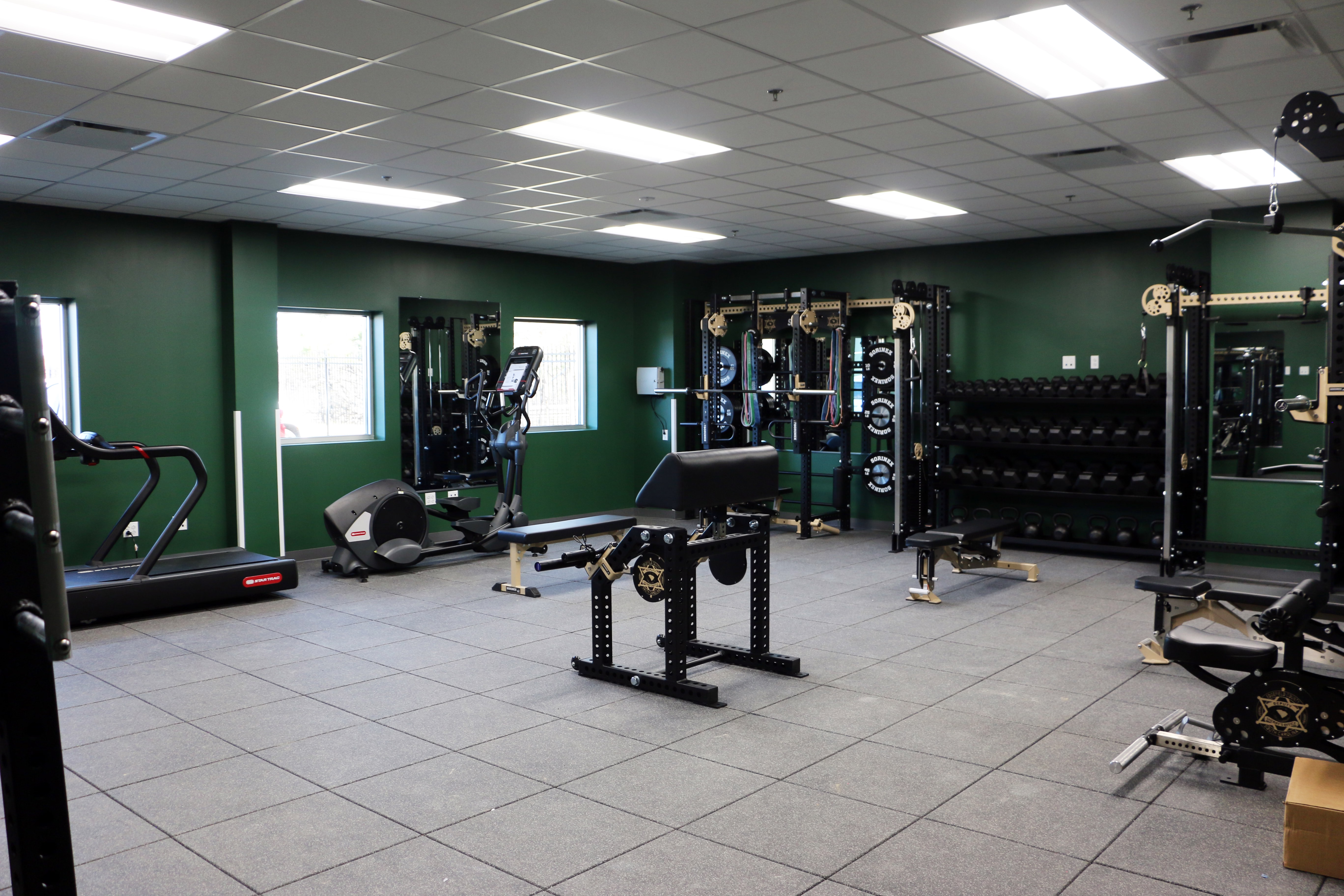
- Fitness spaces where staff can exercise, benefitting physical wellness and mental acuity.
The Goals of Staff-Conscious Detention Facility Design
Prioritizing staff health and safety not only improves day-to-day working conditions and morale, but it also aims to reduce recidivism, strengthen recruitment, and contribute to long-term staff retention. Through upgraded, technologically integrated environments and thoughtfully designed spaces, the goal is to attract and sustain a team that feels supported and valued without the built environment adding to the inherent stress of their careers. By extension, this approach should expand beyond staff experience, generating positive ripple effects within the broader communities they serve.


.webp)
























.avif)