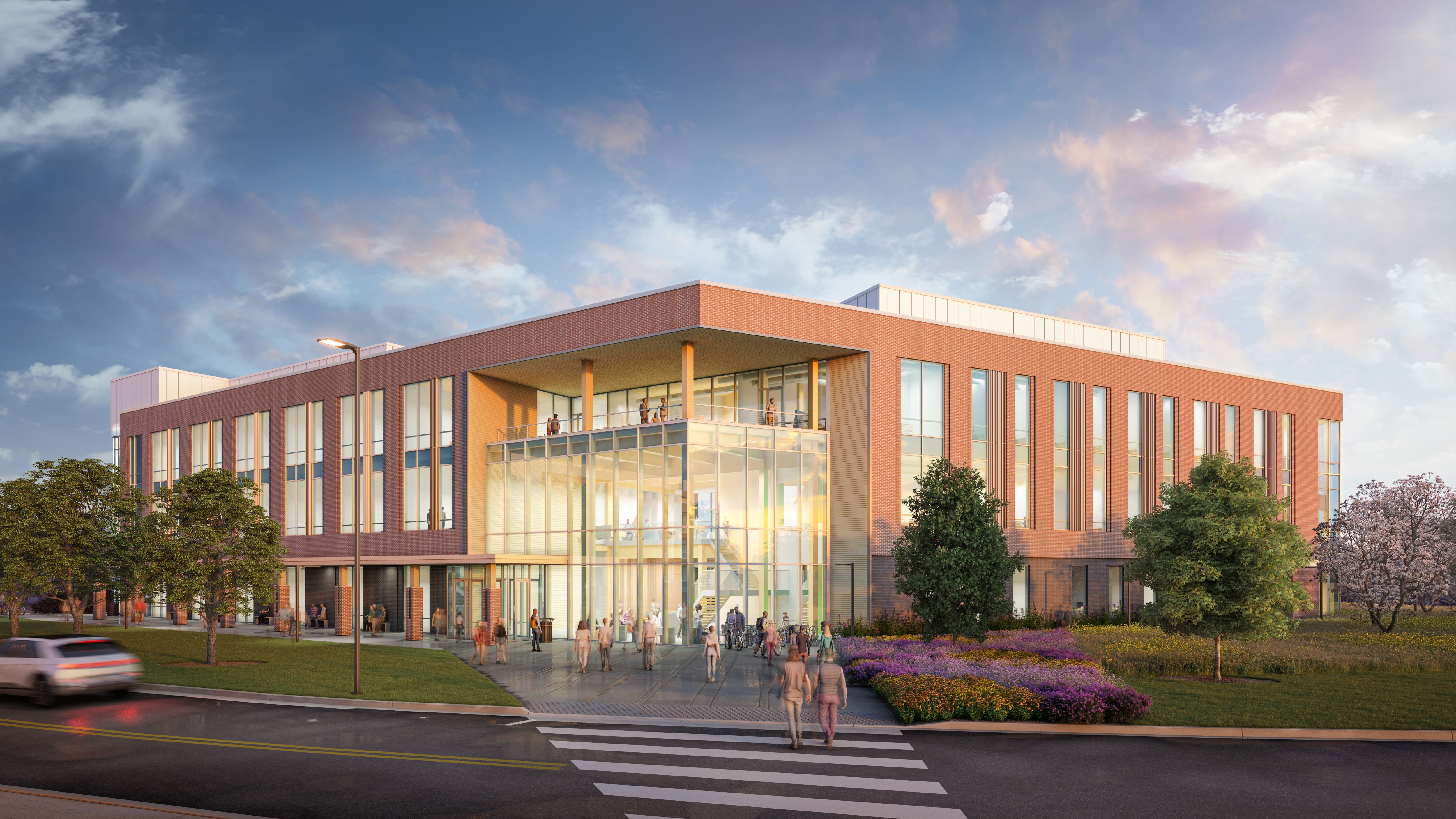
Moseley strives to take a balanced, thoughtful approach to design. In part, this means being good stewards of each site we work on and applying sustainable, environmentally responsible solutions. Clemson University’s Forestry and Environmental Conservation (FEC) Building and the University of South Carolina (USC) Upstate’s library expansion highlight this approach. On these projects, wood salvaged from site-cleared trees was repurposed as interior furniture. Using these natural resources provided aesthetic appeal and environmental benefits to each facility and also created an ongoing design story unique to each client and the way each space is experienced.
Client Priorities and Early Communication
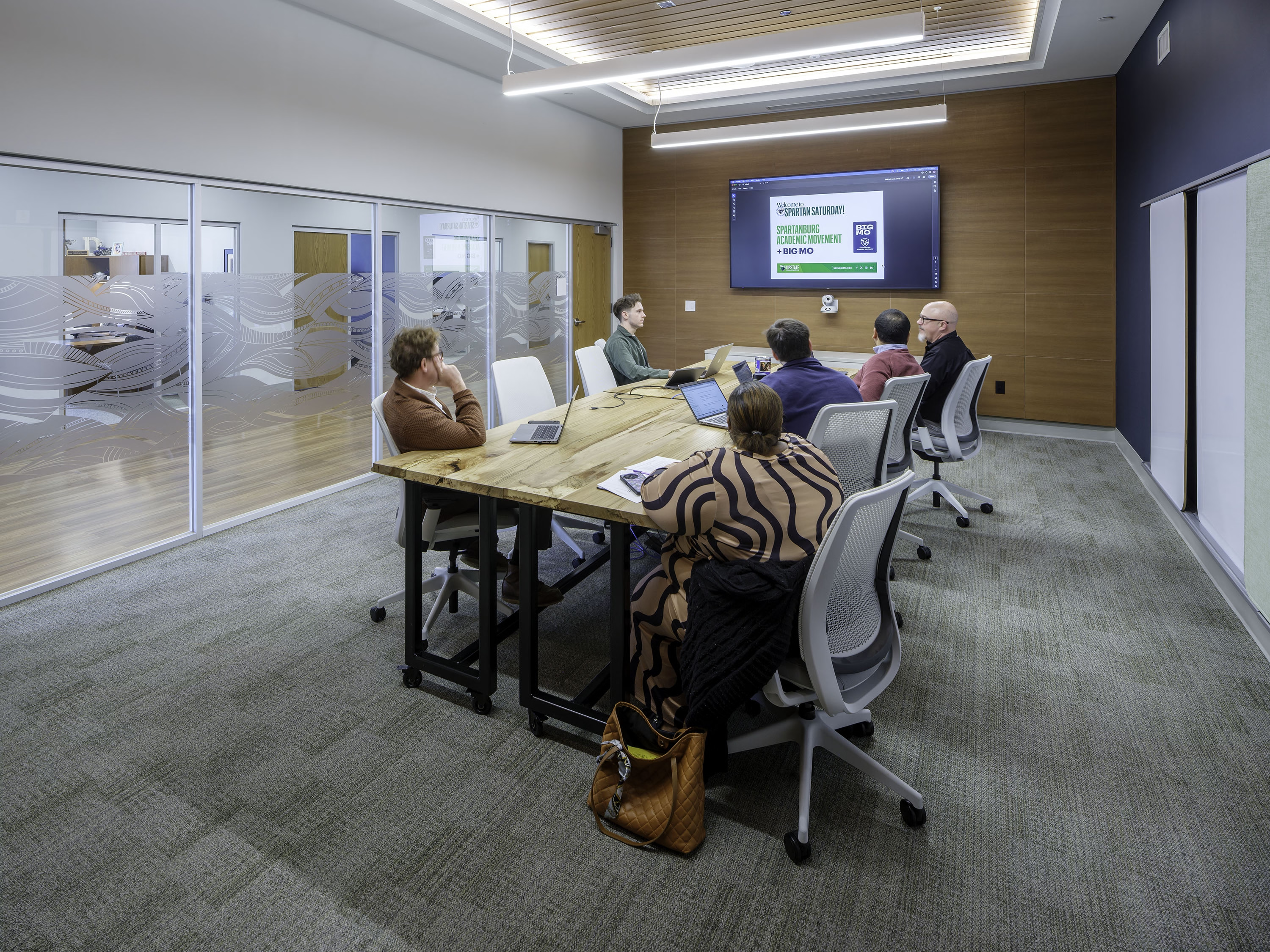
The first step in any project is to communicate closely with the client to determine their priorities and goals, and to discuss different strategies and design elements that could support them. USC Upstate houses a nationally known arboretum, which immediately identified a major priority for the school: placing a high value on natural resources and their preservation. Because the library expansion inevitably required the removal of trees from the project site, our team utilized their wood as material for furniture and signage throughout the building to reduce waste and honor that piece of the school’s value system.
“We wanted to give back to USC Upstate, so we repurposed as many trees as possible,” says Jasmaine Jarvis, Moseley’s interior designer for the project. “Collectively, between the owners, the construction group—which included Thompson Turner—and our team, we came up with ideas on how to use whatever viable wood was available.”
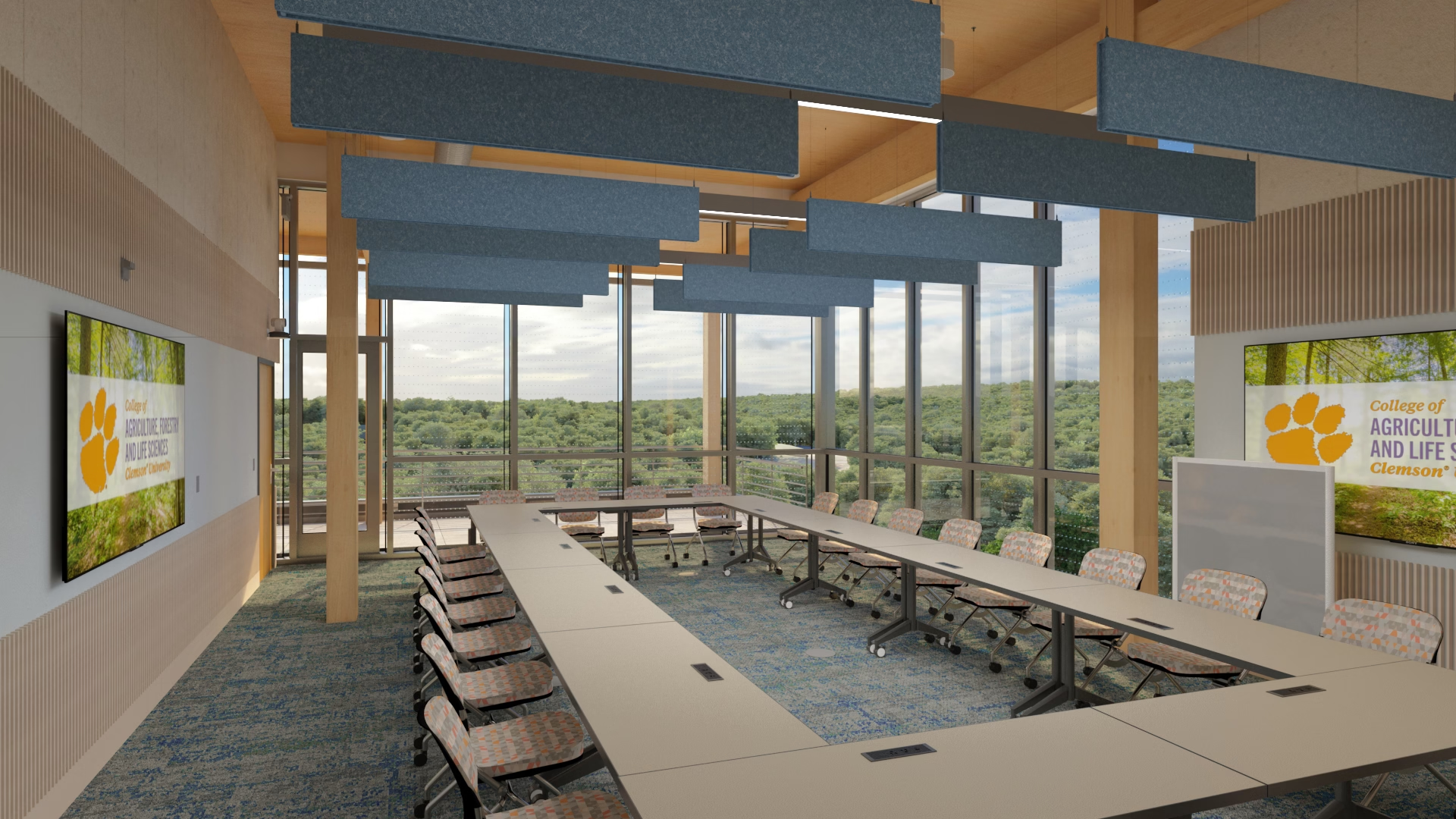
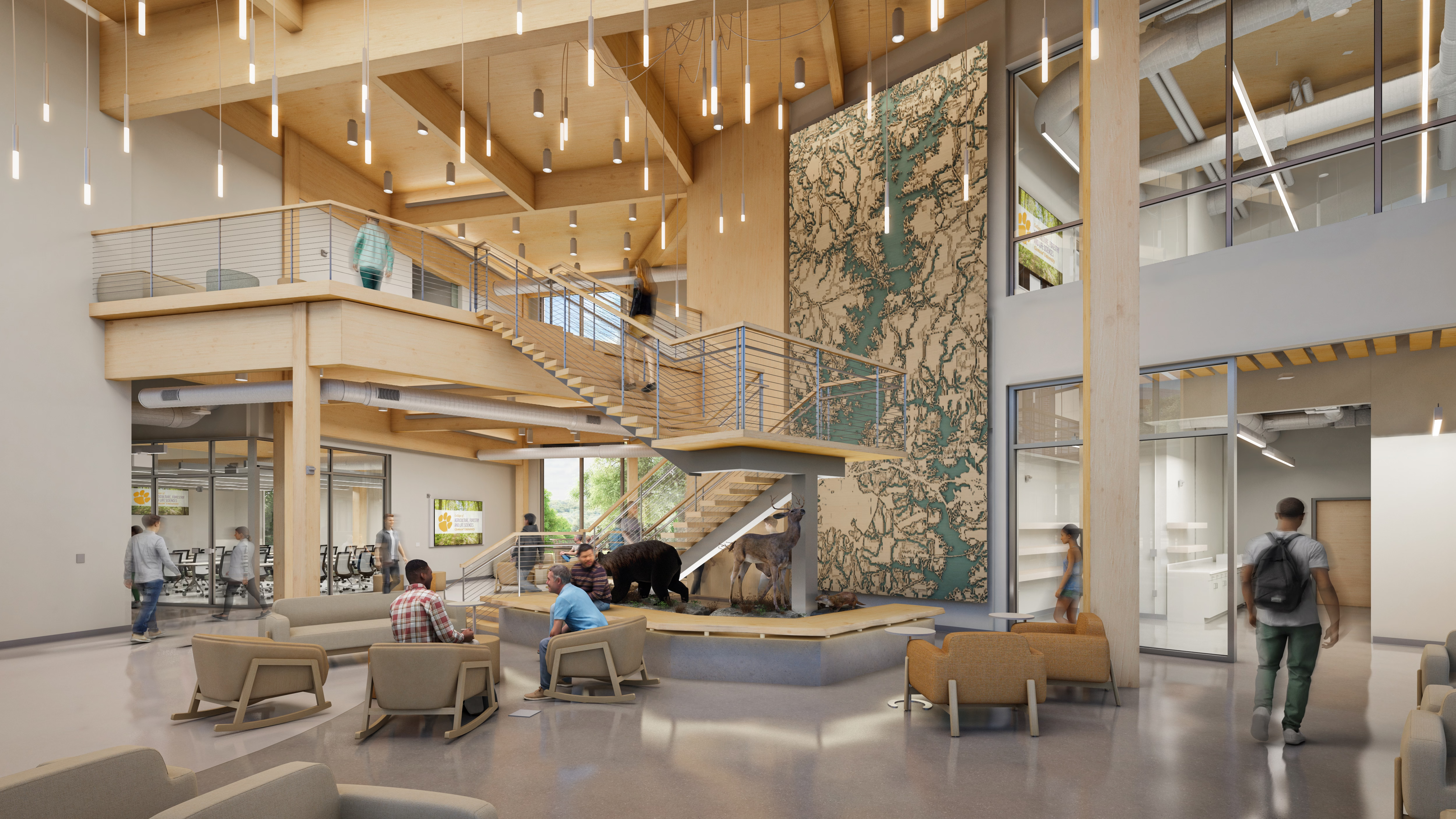
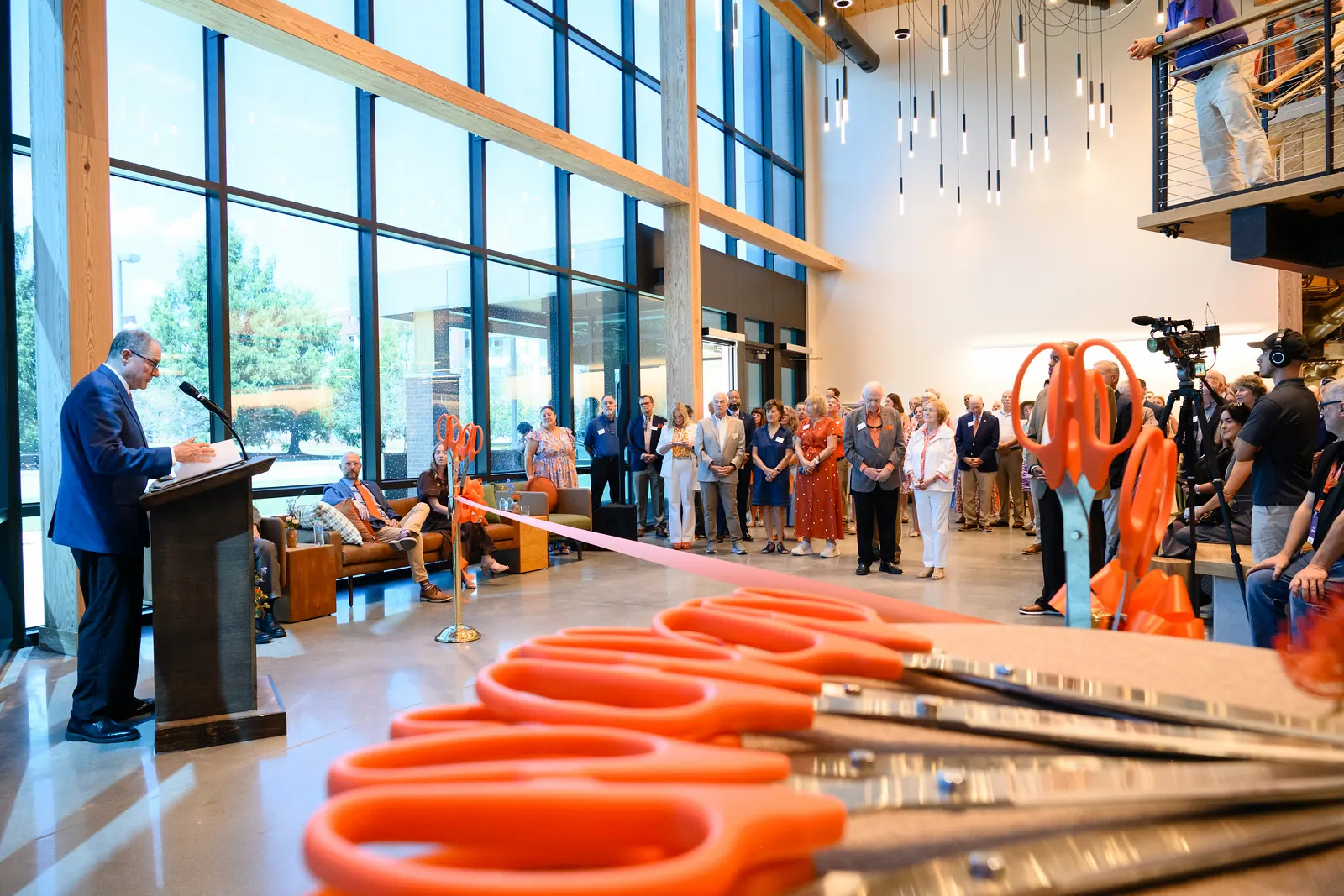
Similarly, Clemson’s FEC Building emphasizes the facility’s primary focus, which blurs the lines between the interior educational environment and the surrounding natural setting. The school wanted to create an immersive, sensory environment for forestry students and visitors. The university achieved this through the inclusion of mass timber, large windows, and furniture fashioned from local longleaf pine to weave natural elements throughout the facility while contributing to the sustainable use of natural vegetation in the area.
Benefits of Utilizing Local Natural Materials
Using wood from local sources offers many benefits, including elevated aesthetics, environmental support, and improving how people interact with the final product. These may include:
- Reducing a building’s carbon footprint by minimizing manufacturing and transport emissions.
- Enhancing air quality through clear air exchange.
- Lowering stress levels because of live biophilic design elements, which offer a natural reset point for the nervous system.
- Promoting biodiversity by protecting local resources and encouraging responsible land management.
- Supporting and strengthening the local economy, enhancing a sense of community connection.
- Elevating a sense of warmth and connection for end users.
- Promoting sustainability practices in design and construction.
This process also lends a unique element to each project, imbuing it with a meaning that cannot be replicated. By repurposing wood that was harvested locally and even on-site, each building’s interior creates a direct connection to the land and its history. This builds on the structure’s greater story, strengthening its impact and vitality, infusing the building with timeless elements, and giving clients a sense of hands-on impact through the process.
At both Clemson and USC Upstate, the benefits extend to the student experience as well. Including natural materials helps bring the outside in, bridging the gap between the classroom and the outdoors. This helps elevate the educational experience through a connection to nature, stress regulation, and—with Clemson’s FEC Building—an immersive environment that directly correlates to relevant subject matter and serves as a learning tool for forestry students.
“We intentionally incorporated wood native to South Carolina, allowing the interior environment to also function as an educational tool that highlights the diversity of regional species,” says Moseley interior designer, Meaghan Howze. “The harvested wood was also designed into custom wall panels installed throughout the building in tiered classrooms, team rooms, conference rooms, and faculty and staff offices. This design element further strengthens the connection between Clemson’s academic mission and the surrounding natural resources.”
Early Communication and Proper Planning
One challenge accompanying this strategy is the inherent variability of working with live, raw materials. When using locally sourced wood, accurately anticipating how much will be viable post-harvest is difficult. Harvesting, processing, and curing the wood requires patience to determine what can be used. Even after the curing process, some of the material may warp or show aesthetic variations that were not initially accounted for. It is therefore crucial for teams to consider how much time this process may take.
To get ahead of this, early communication with the client is key. Whether in the programming or schematic design phases, identify at the outset if wood harvesting is an appropriate and desired path for their project. This will:
- Allow the team to collaboratively build sufficient time into the project schedule to accommodate the process and avoid surprise delays.
- Help avoid disappointment down the line, as the choice to harvest wood for interiors exists within a limited window. Waiting until after the harvest takes place will probably eliminate the option altogether.
- Present the chance to gauge community feelings about tree removal, enabling teams to communicate their intent to harvest and repurpose rather than demolish.
Ultimately, applying this design strategy when appropriate allows the final design to reflect the ongoing story the client wants their facility to tell. By integrating unique details, honoring community priorities, and responsibly utilizing local materials in ways that benefit both the structure and its users, the project develops a distinct and continuous narrative. This narrative communicates the client’s values, reinforces the building’s unique identity and character, and creates a final product that can serve as a meaningful point of interest for the surrounding community.


.webp)


























.avif)