Senior living takes many forms, from campus communities with acres of outdoor space to smaller buildings woven into existing residential blocks. A newer model is gaining ground: the high-rise community integrated into dense, mixed-use urban development. It is not a replacement for other approaches, but a response to conditions that developers and architects are encountering with increasing frequency.
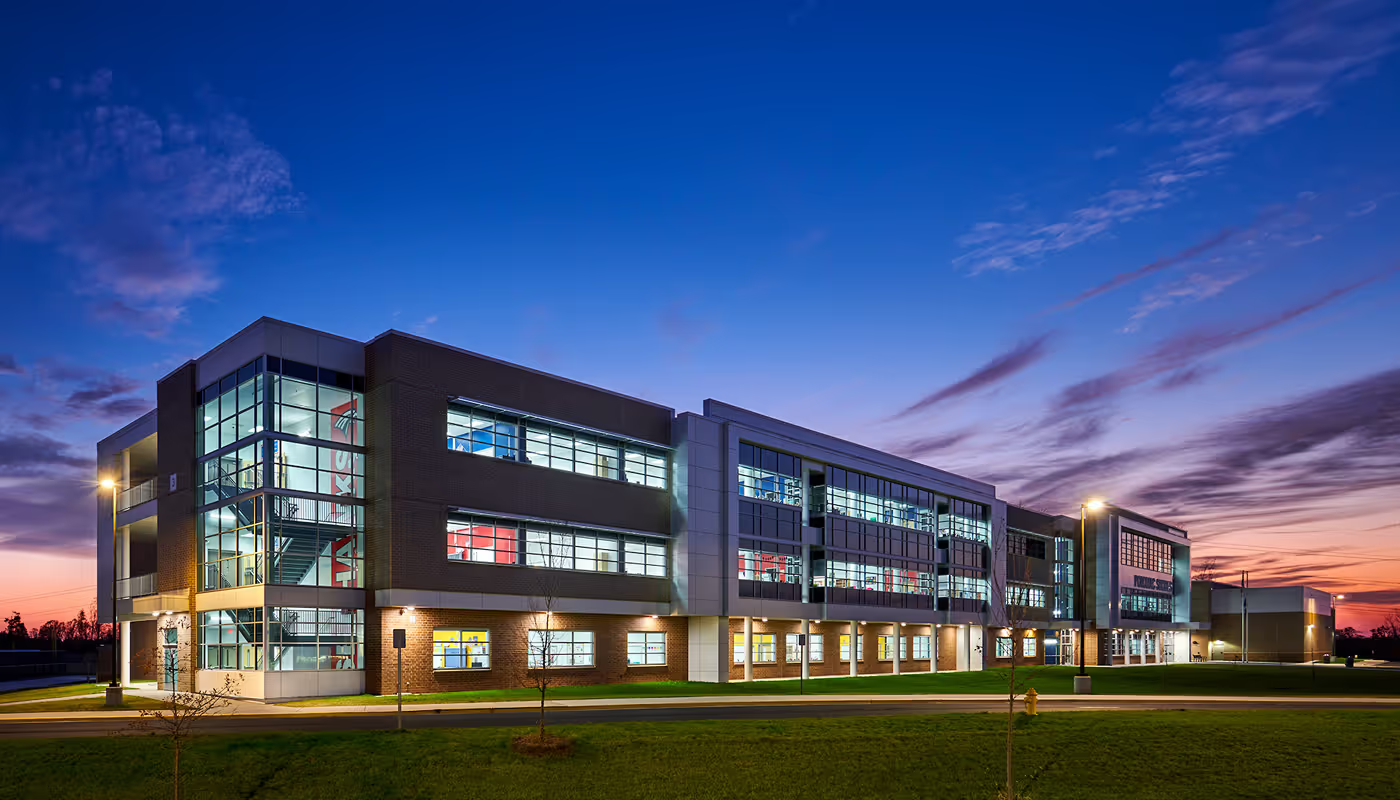
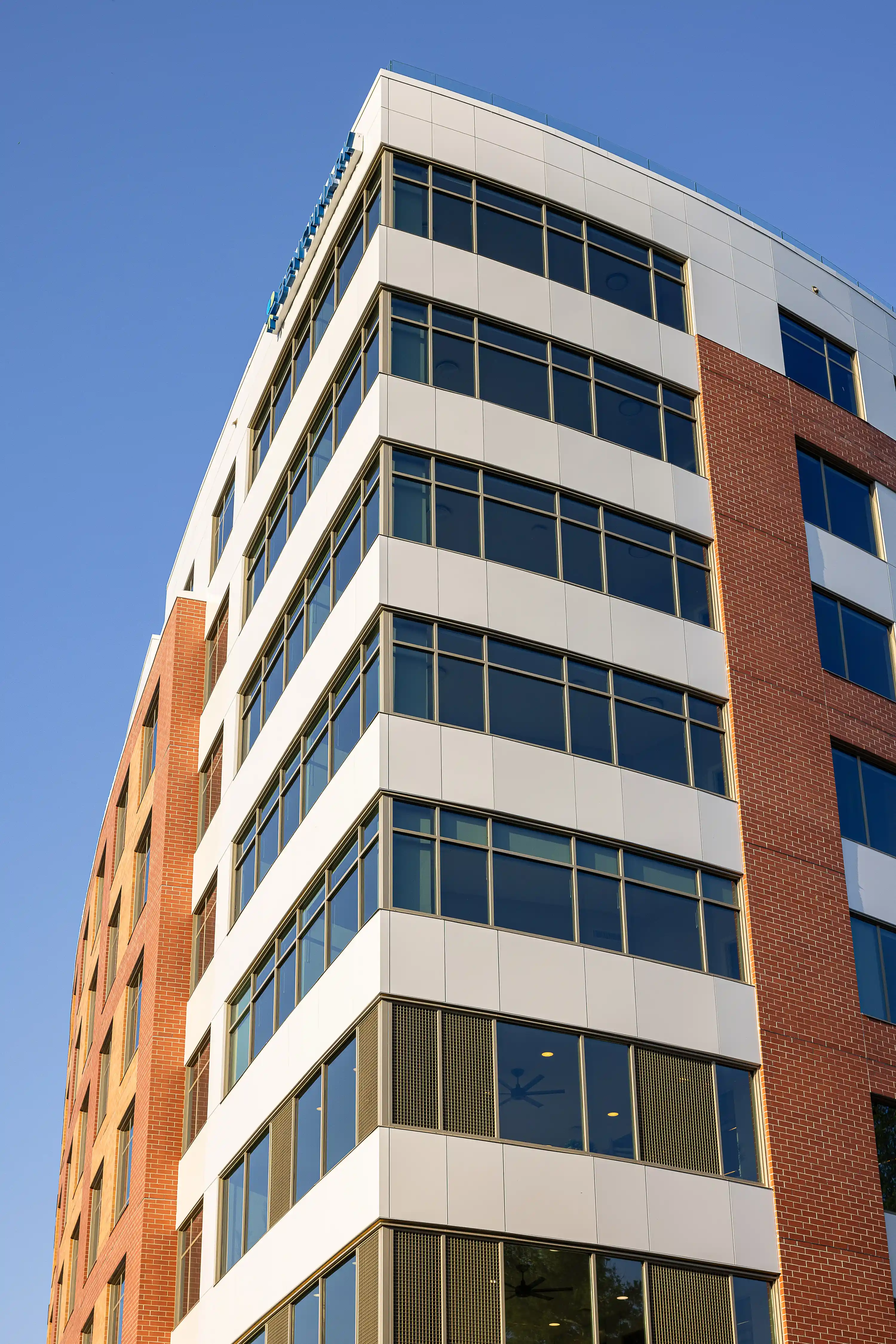
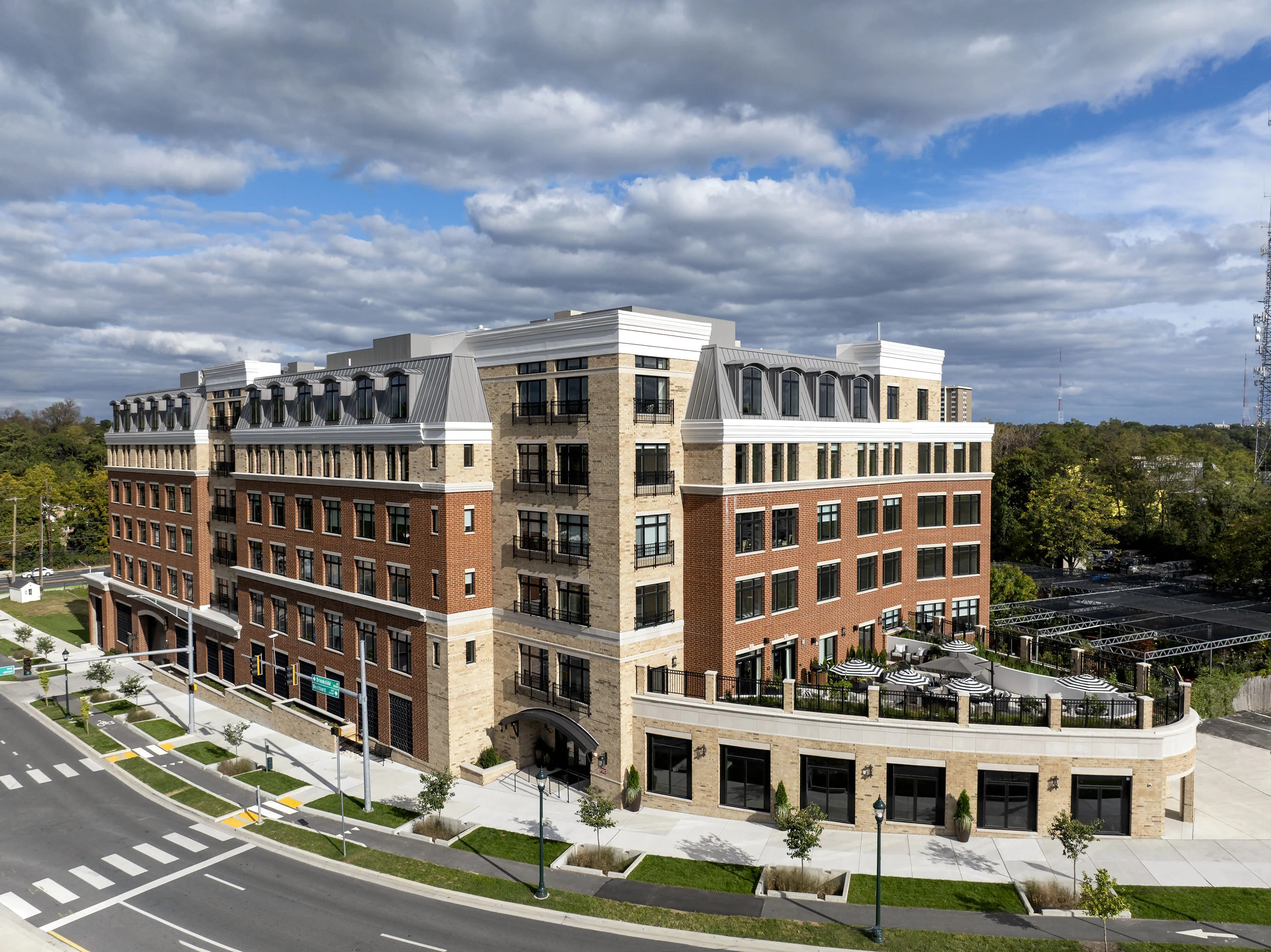
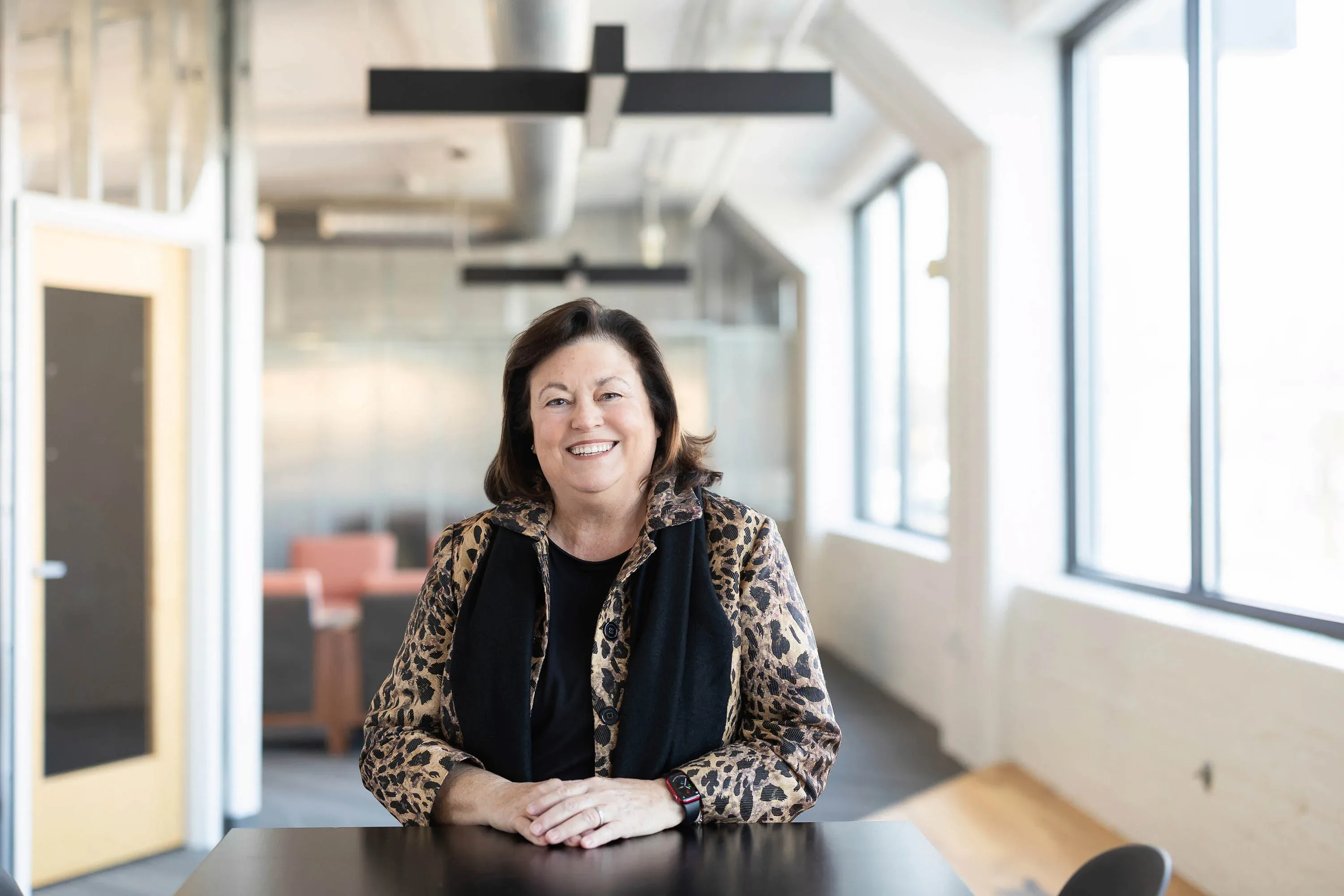
At the upcoming Environments for Aging conference in Phoenix, Moseley Principal Dora Kay, Kerem Demirci of ORR Partners, and Lee Castignetti III of Benchmark, will offer insights into the challenges and opportunities of the high-rise community model. Their session on March 18 centers on Benchmark at Alexandria, a ten-story assisted living and memory care community whose planning, design, and certification decisions offer a documented path for others working through the same questions.
A Population That Prefers to Stay
AARP research consistently finds that roughly three-quarters of adults over 50 want to remain in their homes and communities for as long as possible. Older adults who have spent their adult lives in cities are often reluctant to leave them.
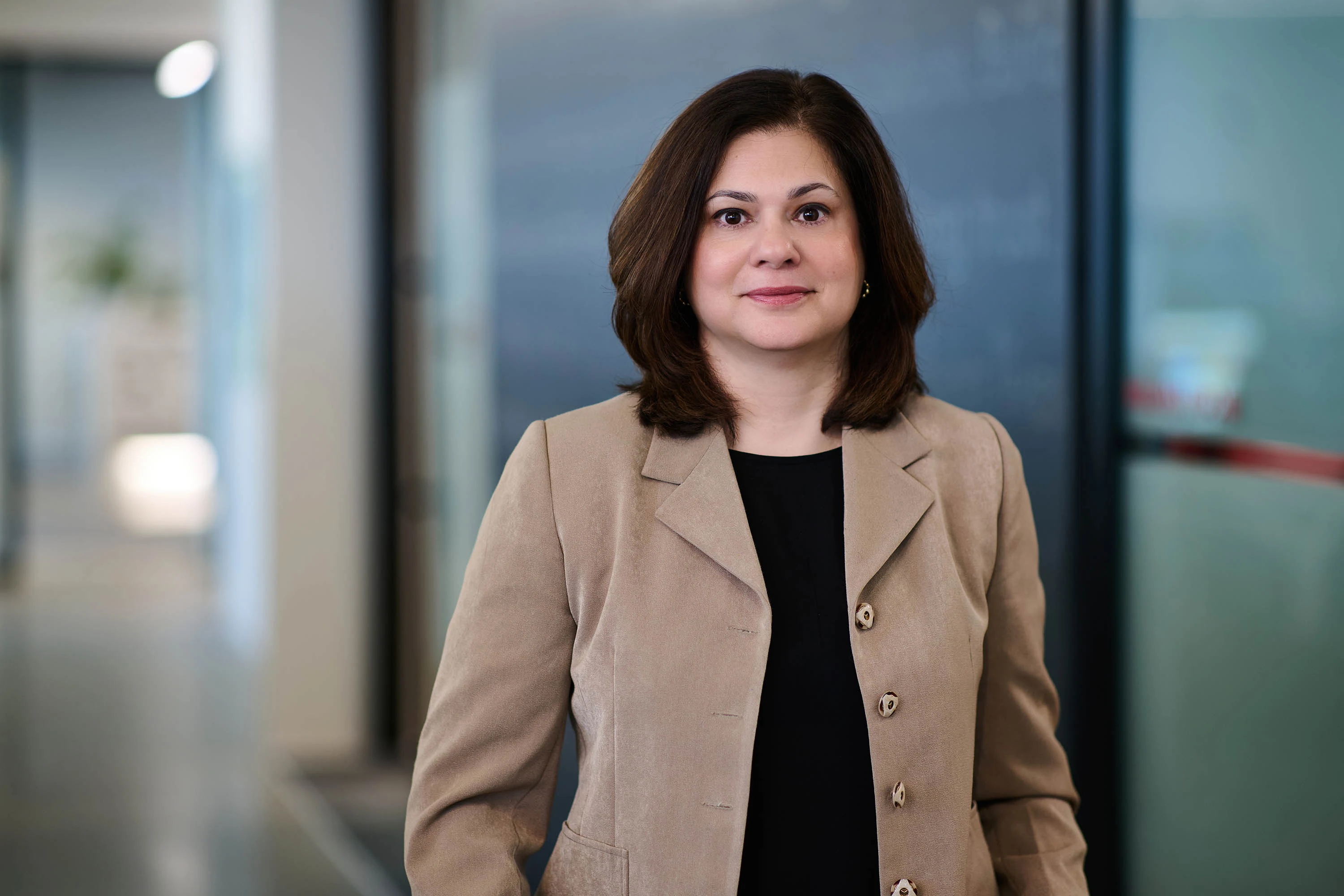
"Designing assisted living in a vertical, urban footprint requires rethinking assumptions that the industry has held for decades. The constraints are real, but so is the opportunity to create something that genuinely connects residents to the life of the city around them," said Dora.
Access to transit, walkable retail, cultural institutions, and the social texture of mixed-age neighborhoods shape how people live, and for many, that texture is not something they want to give up as they age. The Urban Institute projects 13.8 million new older adult households between 2020 and 2040, with a growing share of those households occupied by renters rather than owners. As that population grows, so does demand for senior living that fits within the urban fabric rather than outside it.
The Complexity of Designing for Care at Height
The design problem is not simple. Assisted living and memory care require specific spatial conditions: legible circulation, controlled access, privacy, and environments calibrated to reduce stress for residents with cognitive decline. Meeting those requirements in a ten-story building integrated into a dense urban development is a fundamentally different challenge than meeting them on an open site.
A compact vertical footprint also changes how wellness features are delivered. Biophilic elements, natural light, and access to outdoor space are well-established priorities in senior living design; engineering them into a high-rise requires strategies that ground-level construction does not.
"Biophilic design and access to natural light are not optional in senior living. They have measurable effects on resident health and wellbeing. In a high-rise building, you have to be deliberate and creative about how you deliver those things, but the goal is the same," Dora said.
The Costs of Isolation
Research from the National Academies of Sciences, Engineering, and Medicine finds that roughly one in four community-dwelling Americans aged 65 and older are socially isolated, and that isolation carries health risks comparable to those of high blood pressure or obesity. The CDC identifies older adults as especially vulnerable to social isolation, with consequences that include increased risk of heart disease, stroke, depression, and cognitive decline.
The mixed-use model offers a direct response: when retail, offices, and public spaces share the same development, residents remain part of the life of the block. That integration demands careful planning, since assisted living communities require controlled access and defined boundaries that a public mixed-use environment does not. Threading those requirements through a development that also serves non-resident neighbors is an operational and design challenge with no generic solution.
"The mixed-use model asks you to solve a harder problem, but it produces a better outcome for residents. When seniors are visible and active participants in a neighborhood rather than tucked away from it, that has real benefits for their quality of life. The urban generation of residents want to be engaged," Dora said.
Learn More at EFA
NIC MAP data projects a need for nearly 600,000 additional senior housing units by 2030, with investment currently falling far short of what the demographic shift demands. The industry is still working out what urban senior living looks like at scale, and documented examples are scarce. Attendees of the EFA conference can learn from the Benchmark at Alexandria project at "Developing High-Rise Senior Living in Urban Mixed-Use Environments" on March 18 from 1:45 to 2:45 p.m. For additional details, visit Environments for Aging’s conference agenda.



















.avif)