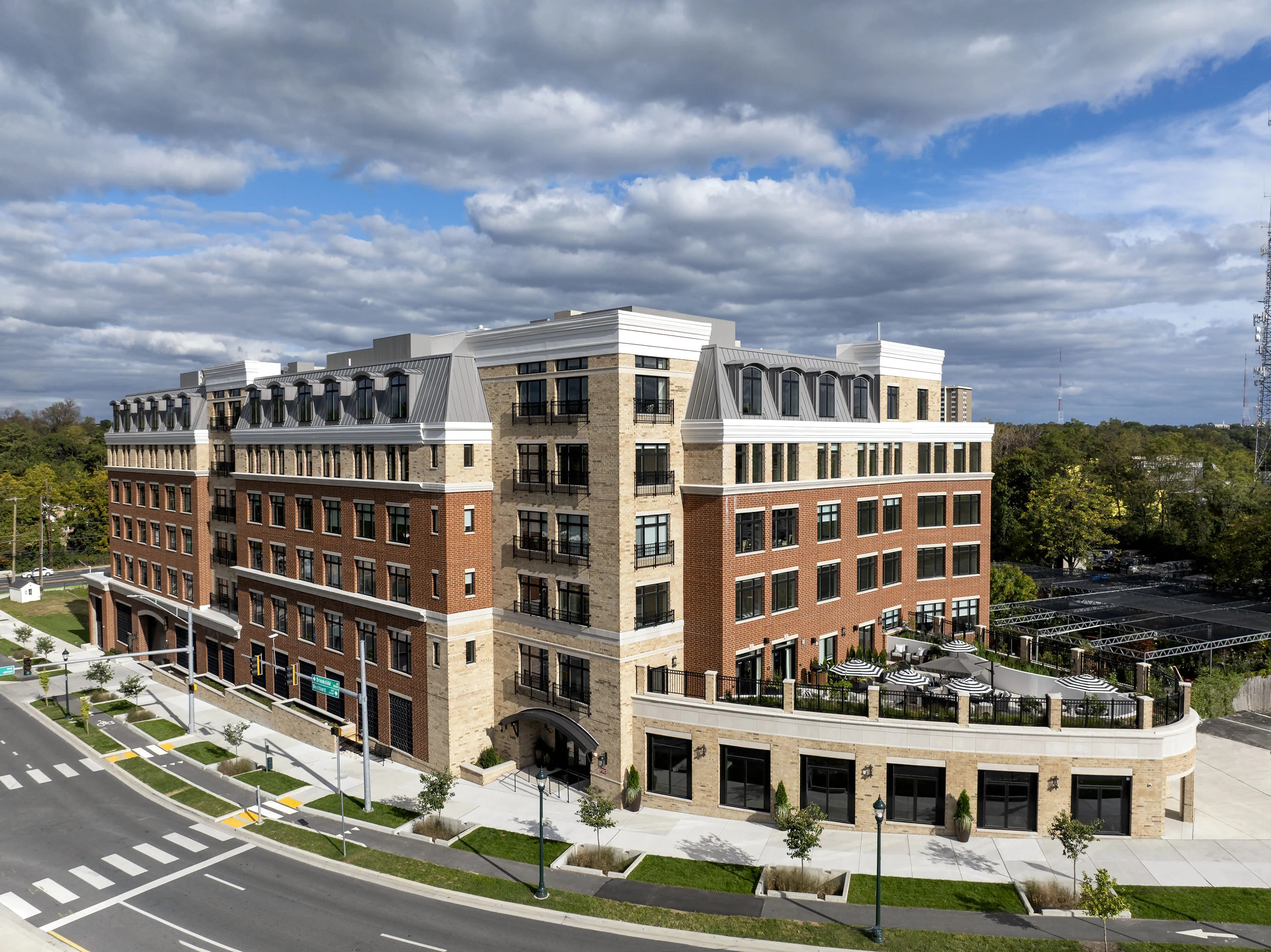
The Virginian has served as a senior living community in Fairfax, Virginia, and surrounding communities for over 40 years. Completed in 2022, Moseley Architects worked with Allied Partners to design much-needed upgrades to the aging building. The primary goal of the repositioning was to create a comfortable, functional, and contemporary environment for its residents.
Special Considerations
The property included a site that could have accommodated new building development, allowing the original structure to remain functional until its eventual demolition. However, the client and the entire team ultimately chose to pursue renovation because of several key factors:
- The building was fully occupied prior to and during construction. Although occupancy reduced to approximately 50% during the COVID-19 lockdown and intensive renovation phases, relocating residents was not a viable option.
- The five-story building’s concrete structure would have been too difficult and expensive to demolish.
- Renovating the building did not require site plan and zoning approvals, which allowed the project to avoid potential years of delay.
Because of the inherent nature and operations of senior living communities, our design team then faced the challenge of meeting project program initiatives with thoughtful attention to minimize the impact on the residents’ daily routines throughout the six different phases of the project.
Moseley principal Dora Kay found The Virginian to be a great example of how important it is to tailor a design framework and project type to each client’s specific needs. “Every renovation project requires a unique approach. You consider what existing spaces are available to enhance the desired programming solutions and what aspects of the built environment will guide your direction to implement the desired modifications,” she says. “It is important to maintain a ‘blank canvas’ mindset while also recognizing and honoring any limitations. Equally important is a thoughtful phasing approach that allows the building to continue functioning throughout construction.”
With this in mind, it was vital to maintain a comfortable, safe, and effective environment for The Virginian’s residents. Here, we will explore the chief considerations and strategic planning employed to do so.
Maintaining Adequate Building Function
The Virginian accommodates approximately 300 units, a figure that includes independent living, assisted living, memory care and special needs residents. It was therefore vital to keep the building functional during construction, which became even more challenging during the 2020 pandemic lockdown. During that time, our team prioritized thoughtful planning, close communication with the client and end users, and employed additional measures to enhance safety and comfort while minimizing disruption to residents’ daily lives and routines to the greatest extent possible.

These measures included a phased construction process and the strategic relocation of residents to avoid total displacement. This was especially important for individuals in The Virginian’s memory care wing, as finding temporary housing for these residents can interfere with their mental and emotional state, often exacerbating anxiety, confusion, or behavioral symptoms. Sometimes, major disruptions may even contribute to a decline in overall health and well-being, potentially leading to premature mortality. Recognizing this risk, the first phase of the project involved creating the secure memory care neighborhoods and relocating residents to the new wing first. This helped minimize environmental changes for the balance of the renovations.
Structural Integrity and Reinforcement
One challenge our team encountered in this process was difficulty performing concrete and soil testing in a large, fully occupied building. To overcome this while honoring the building’s daily operations, we promptly applied advanced techniques, thorough testing, and assessments to address unforeseen conditions. As part of this process, we used non-destructive digital X-ray imaging to produce clear and accurate depictions of features embedded within the concrete structure. While this process required cordoning off areas during testing, which was minimally disruptive and lasted about an hour, it left no evidence of the work.
After this testing, the team realized the need for structural reinforcement for elevators, balconies, and upgraded common area floor loading. Addressing this was vitally important to strengthen The Virginian’s structural system and to support its daily operations. To do so, we carefully analyzed the collected data and compared it against current construction standards and applicable code requirements. This provided a detailed structural analysis and clear guidance on any necessary enhancements or corrective actions needed to support compliance and maintain structural integrity. This creates a safe environment for residents that satisfies code requirements while offering long-term safety, resilience, and adaptability.
Navigating a Disrupted Timeline
A project may encounter unforeseen circumstances that demand flexible planning and perseverance for a quality outcome. The Virginian was not immune to these challenges. Beginning with early design concepts in 2017 and Focus Healthcare Partners’ purchase of the community in 2019, the project timeline was extended due to the onset of the COVID-19 pandemic in 2020, when renovations began. As a result, the phased timeline stretched over several years, with final completion in April 2024. Two key components of gracefully navigating this challenge were communicating thoroughly and leveraging technology—two strategies that can serve other similar renovation projects well.
To prioritize communication, the team provided regular updates via weekly design team meetings that developed into design and construction team meetings during construction. During this time, we addressed and resolved any existing issues, collaboratively adjusted plans to adapt to changing circumstances, and maintained momentum and progress.
Additionally, the pandemic made it difficult to coordinate building inspections, work through supply chain issues, and mitigate construction inflation. Our team applied practical, creative, and technological solutions to these challenges by:
- Hosting remote meetings
- Monitoring the supply chain through apps like Marine Traffic
- Securing materials in advance whenever possible
- Changing plans as needed to manage costs without compromising quality
When faced with unanticipated obstacles such as this, it is important to consider the most effective ways to address them while keeping the project on track and reaching the desired design solutions. Through these strategies during The Virginian’s complex renovation process, our team overcame its unique challenges to transform the building into a high-end senior living community.
Environmental Design Considerations
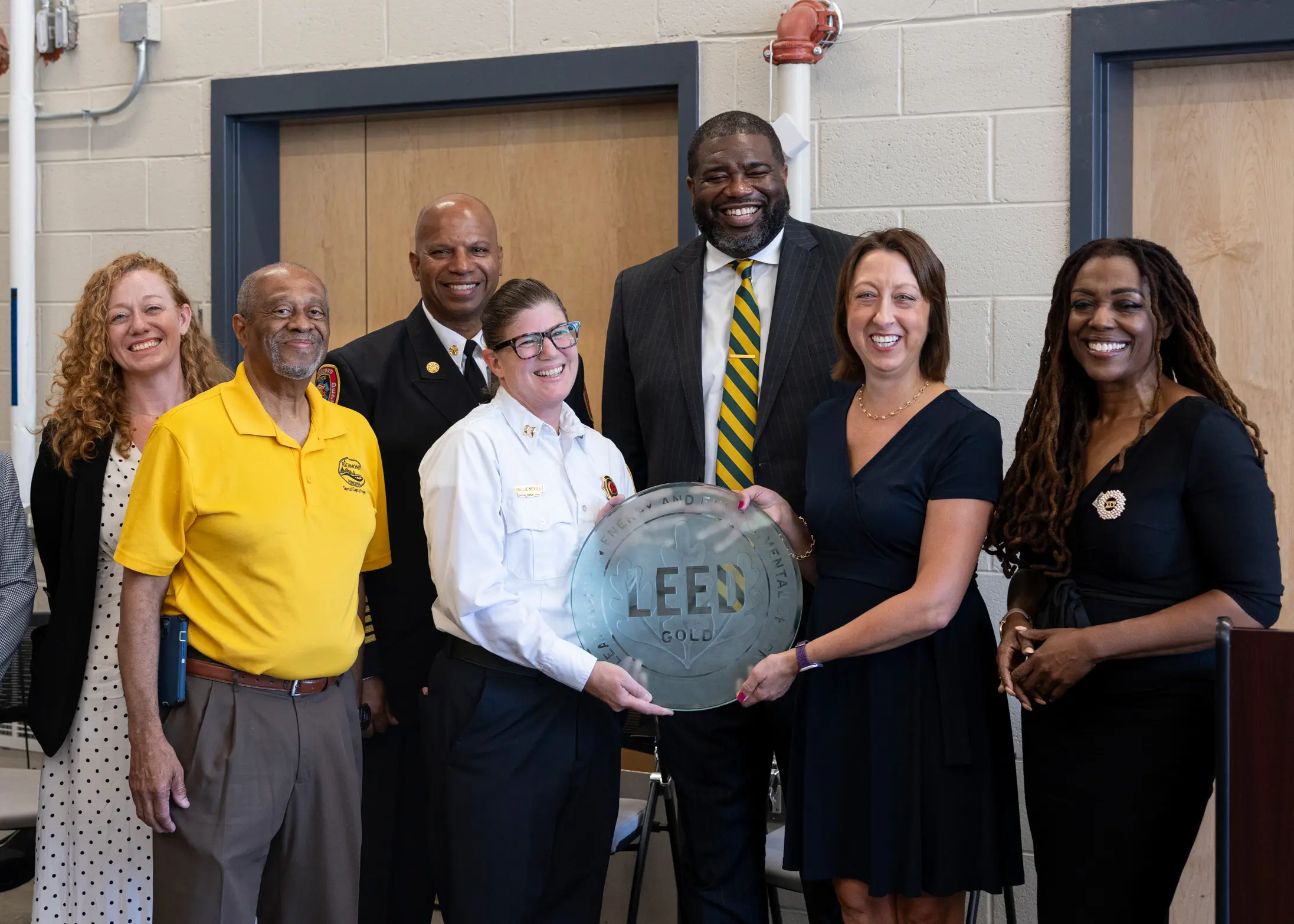
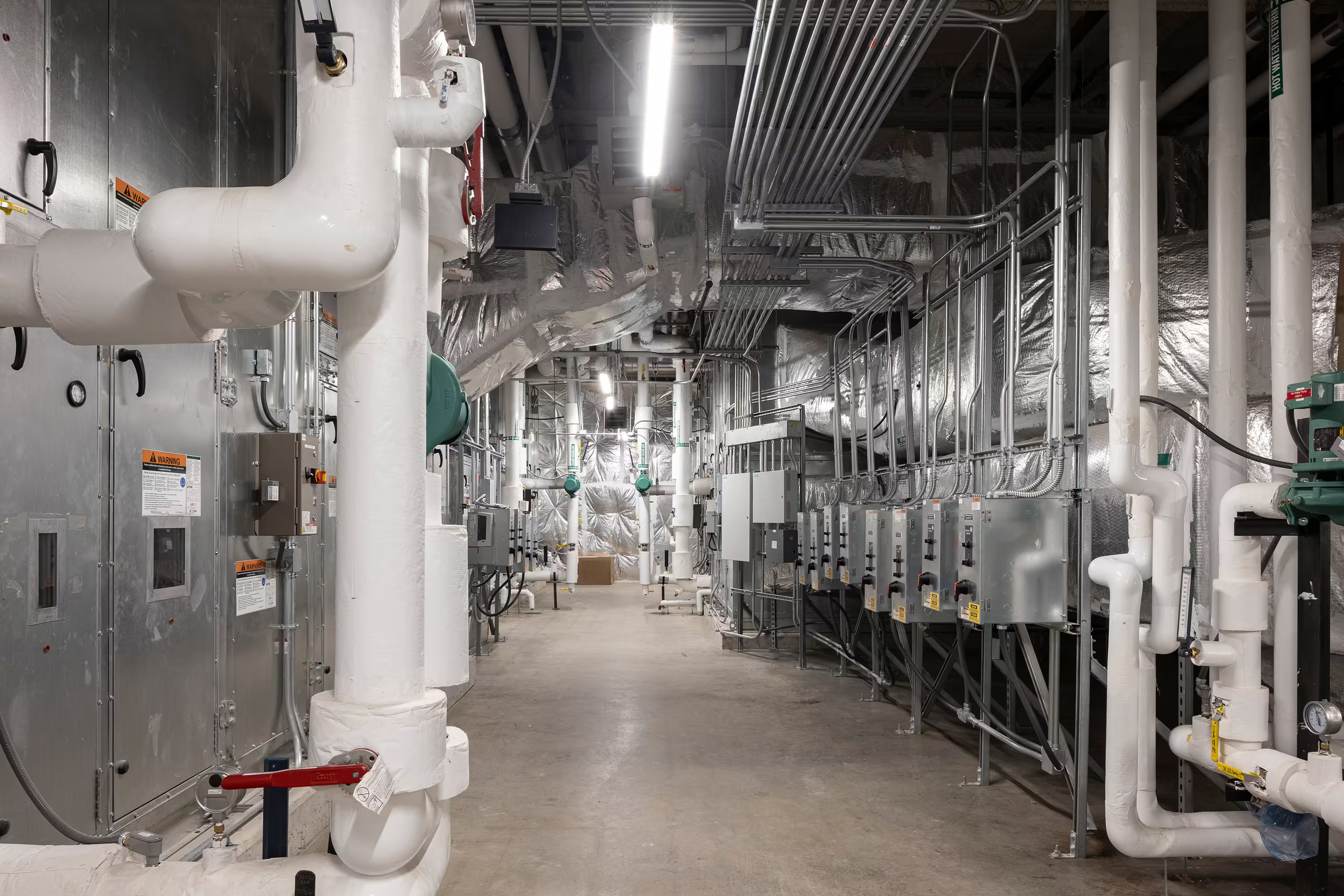
Other key factors to consider during The Virginian’s occupied renovation were sustainability and energy performance. Ultimately, we achieved LEED Silver certification through the use of cost-effective materials and upgraded, energy-efficient mechanical, electrical, and plumbing systems.
One example of this involved the building’s dining room HVAC system. The original plan was to modify the existing equipment, which had exceeded its useful lifespan. Instead, when the team realized this was not the most feasible option, we installed new units that improved the air system and satisfied building codes. Decisions like this allowed the project to meet high standards for environmental responsibility while also contributing to long-term cost savings and enhanced operational efficiency.

Applying Relevant Design Trends
Finally, it is helpful to keep a finger on the pulse of design trends, as they directly reflect end users’ priorities and what design strategies might add the most value. During this renovation, our team paid close attention to national trends in senior living communities, with the goal of transforming The Virginian into a comfortable, modern environment that is equipped to facilitate high-quality care across the full spectrum of resident needs while providing an elevated, upscale atmosphere.
“The Virginian reflects a broader shift in senior living design trends,” says Moseley’s senior living sector leader, Mark Heckman. “These communities must upgrade outdated amenities to remain competitive and align with the needs of the baby boomer generation, which recently began to enter the market.”
Based on Moseley’s extensive work in senior living communities nationally, we recognized the trend for a mix of country club and resort living sought by seniors seeking an active, engaging lifestyle. This included elegant, modern, and comfortable living spaces designed in collaboration with the nationally recognized interior design firm Meyer. The design team incorporated several luxury amenities, including:
- A spa and wellness center
- A golf simulator
- Various gourmet dining options

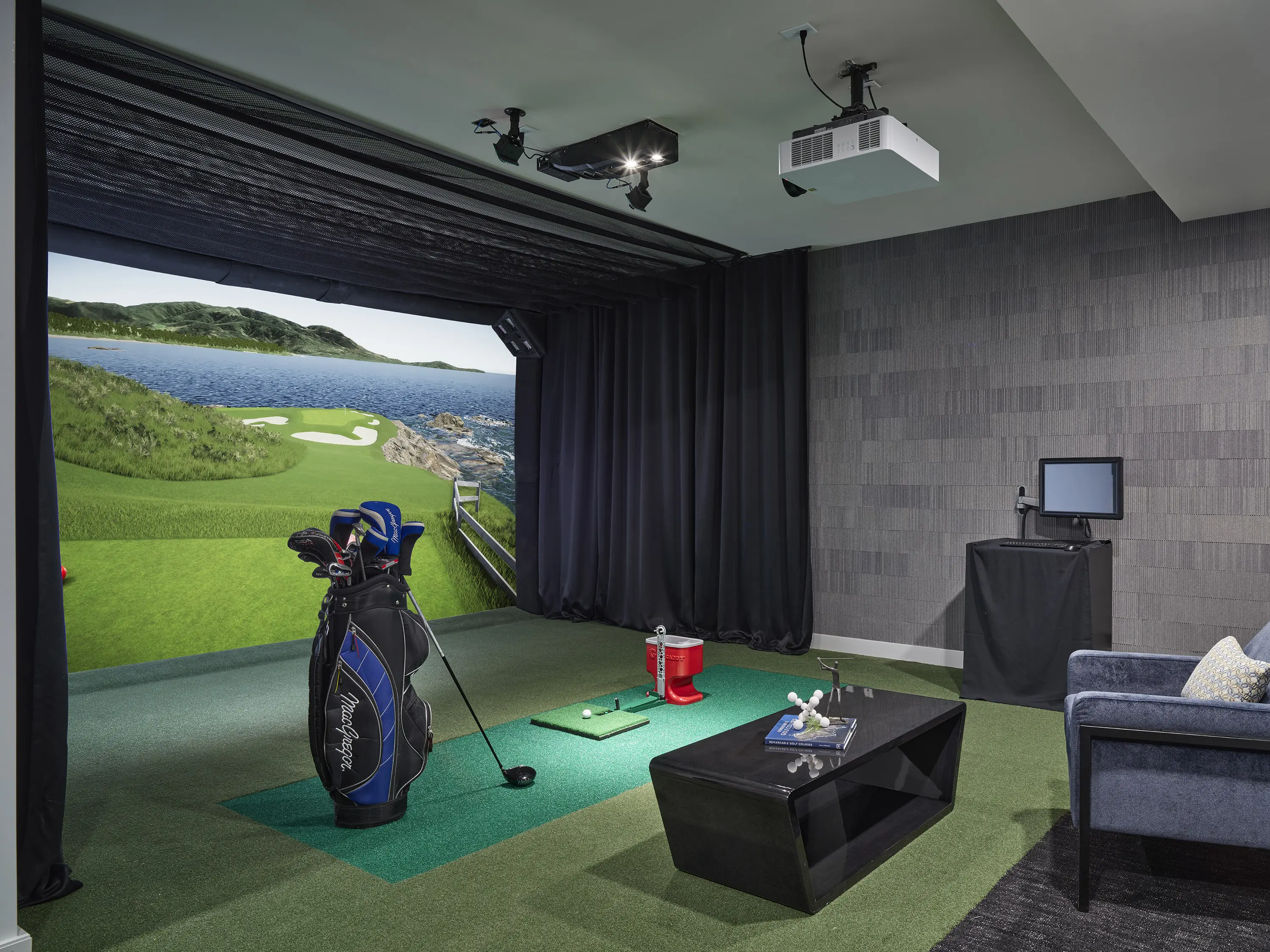

By staying attuned to a target demographic’s desires, the final product can cater directly to their needs instead of repeating past approaches on similar projects. Even more, employing a strategic, flexible, and sustainable design approach results in both client and end-user satisfaction by curating impactful environments that add value to their daily lives.



.webp)























.avif)