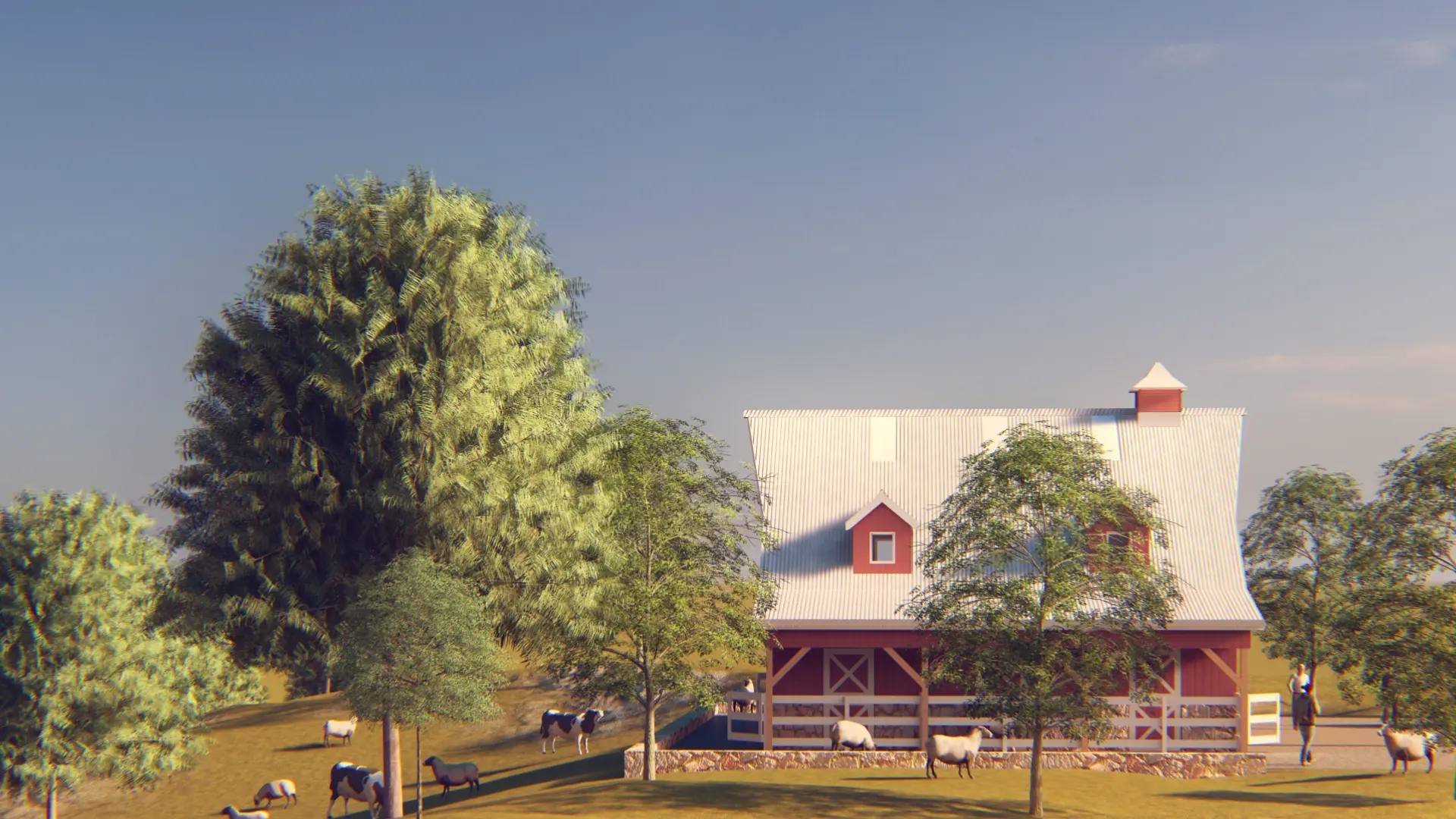
Budget pressure is one of several common constraints in K-12 facility design, but it does not have to mean diminished outcomes. A session at the A4LE Northeast Annual Regional Conference in Rochester, N.Y., will argue the opposite: that constraints, when met with disciplined creativity, can produce learning environments as effective as any that unlimited funding would have delivered.
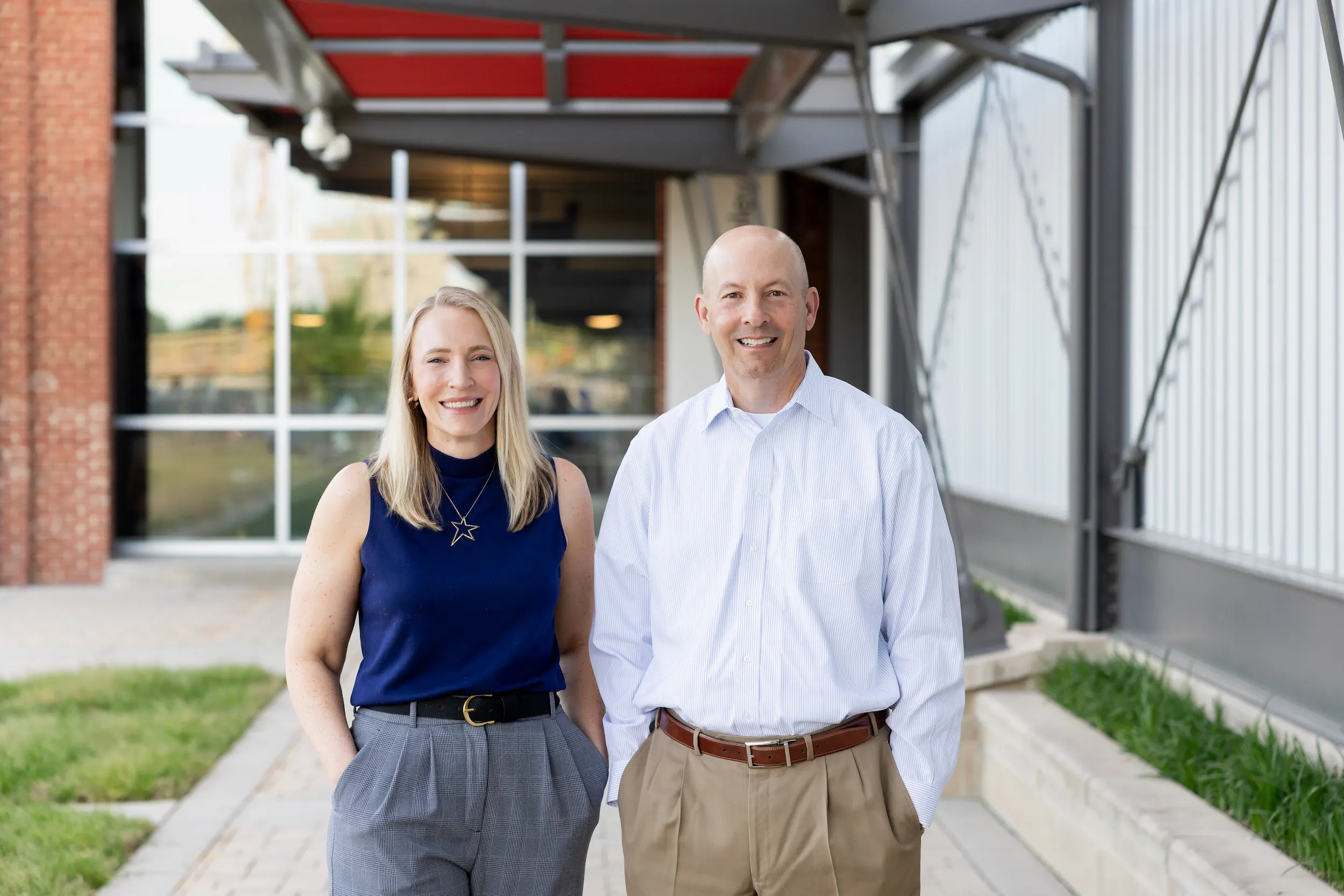
Principals Jennifer Lyon, AIA, and Michael Blake, AIA, will present "Designing at the Edge: Creativity Under Constraint" on June 10 at 3 p.m., drawing on seven case studies spanning public and independent schools, small targeted renovations and unique capital projects where funding limits and other constraints forced and ultimately focused the design.
Why This Session Matters
Constraints are not exceptional circumstances in educational design. They are the norm. Rising construction costs, fixed bond allocations, capital campaign uncertainty, existing site and building conditions and competing program priorities place consistent pressure on project teams at every scale. The session centers on a counterintuitive argument: constraints do not reduce impact. When managed intentionally, they can sharpen it.
What Attendees Will Take Away
Jennifer and Michael will present five design tactics that project teams can apply under budget pressure: clarifying the core educational mission, prioritizing student impact, reframing the design problem, packaging scope strategically and phasing implementation to preserve long-term goals. Each step is illustrated through real project examples.
Attendees engaged in facility planning, design or district leadership will leave with a replicable framework and concrete examples of how each strategy performed, including cases where the redesigned scope did not adversely impact the student experience.
Case Studies
The session draws on seven projects representing a range of school types, sizes and funding models: an agricultural sciences barn, a gender-neutral restroom and locker room renovation, a special needs program tenant fit-out, a multi-phase public charter school renovation, a church-to-school conversion feasibility study, an athletic stadium renovation and an early education center transformation. Each project follows the same four-part narrative of vision, constraint, design response and impact, giving attendees a consistent lens for comparing how different project conditions demanded different solutions.
Blake noted that the range of case studies selected was intentional. "While constraints exist in projects of all sizes, they are often more pronounced in smaller projects," he said. "Regardless of a project's size, the approach remains the same: understand the limitations, identify opportunities and develop creative solutions that maximize value and deliver the greatest impact."
About the Presenters
Jennifer Lyon, AIA, has led K-12 projects across Maryland for more than 20 years. She collaborates with teams to deliver functional, student-centered learning environments that meet program and community goals. Involved from concept through construction, Jennifer resolves design challenges with efficiency and precision.
Michael Blake, ALEP, AIA, has more than 30 years of design experience across private, state and federal clients. His educational design portfolio includes award-winning campus master plans, residence halls and historic building restorations. Michael brings significant depth to independent school work, where each institution's mission and culture shape a distinct design response.


.webp)

























.avif)