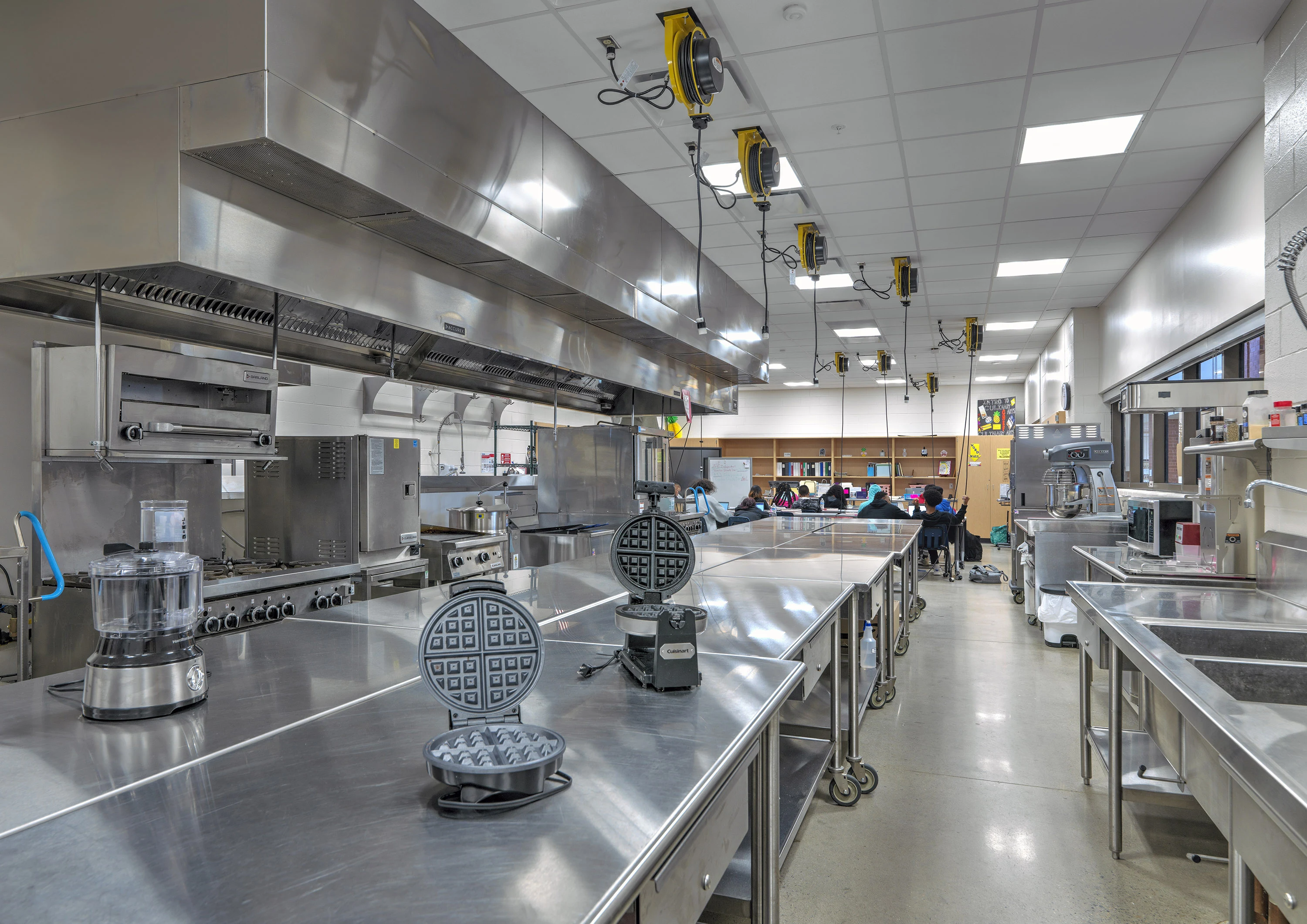
Well-rounded K-12 design considers every student’s needs, creating environments where they can explore their interests, develop their talents, and discover pathways to future careers. Within these environments, career and technical education (CTE) spaces facilitate learning beyond the scope of standard core subjects. CTE programs help students explore career interests while developing practical skills, earning industry-recognized credentials, and gaining experience that will prepare them for future education and employment opportunities. While this option is not new, its perception has evolved, and it is now a permanent, growing pillar of K-12 education. It has shifted from an alternative track to a core component of the high school experience.
Moseley understands that through thoughtful design and a comprehensive understanding of each community’s needs and aspirations, our design teams can help maximize the benefits of these programs for students, enhance accessibility and effectiveness, and strengthen their broader impact beyond the classroom.
Why CTE Matters
CTE programs continue to grow in importance as school districts respond to developing workforce demands and expand opportunities for student career exploration. Today’s programs extend beyond the more traditional trades, encompassing fields such as health sciences, emergency services, advanced manufacturing, and information technology. These programs allow students to connect academic learning to real-world applications, making coursework more relevant and engaging for students. As CTE becomes an increasingly integral part of secondary education, school facilities must provide flexible yet specialized learning environments that support this wide range of career pathways.
“It’s such a great alternative for students, allowing many of them to walk out of high school with a certification towards some form of methodology to earn money,” says Moseley principal and director of design, Billy Riggs. “CTE programs have come a long way, and it’s very important for design teams to help create spaces that effectively facilitate these opportunities.”
Facility Placement Considerations
Successful CTE design requires viewing these programs as integral to the life of the school rather than isolated from it. Locating CTE spaces alongside academic and shared student spaces helps reinforce their role as an essential component of the educational experience while increasing visibility, accessibility, and opportunities for interdisciplinary learning.
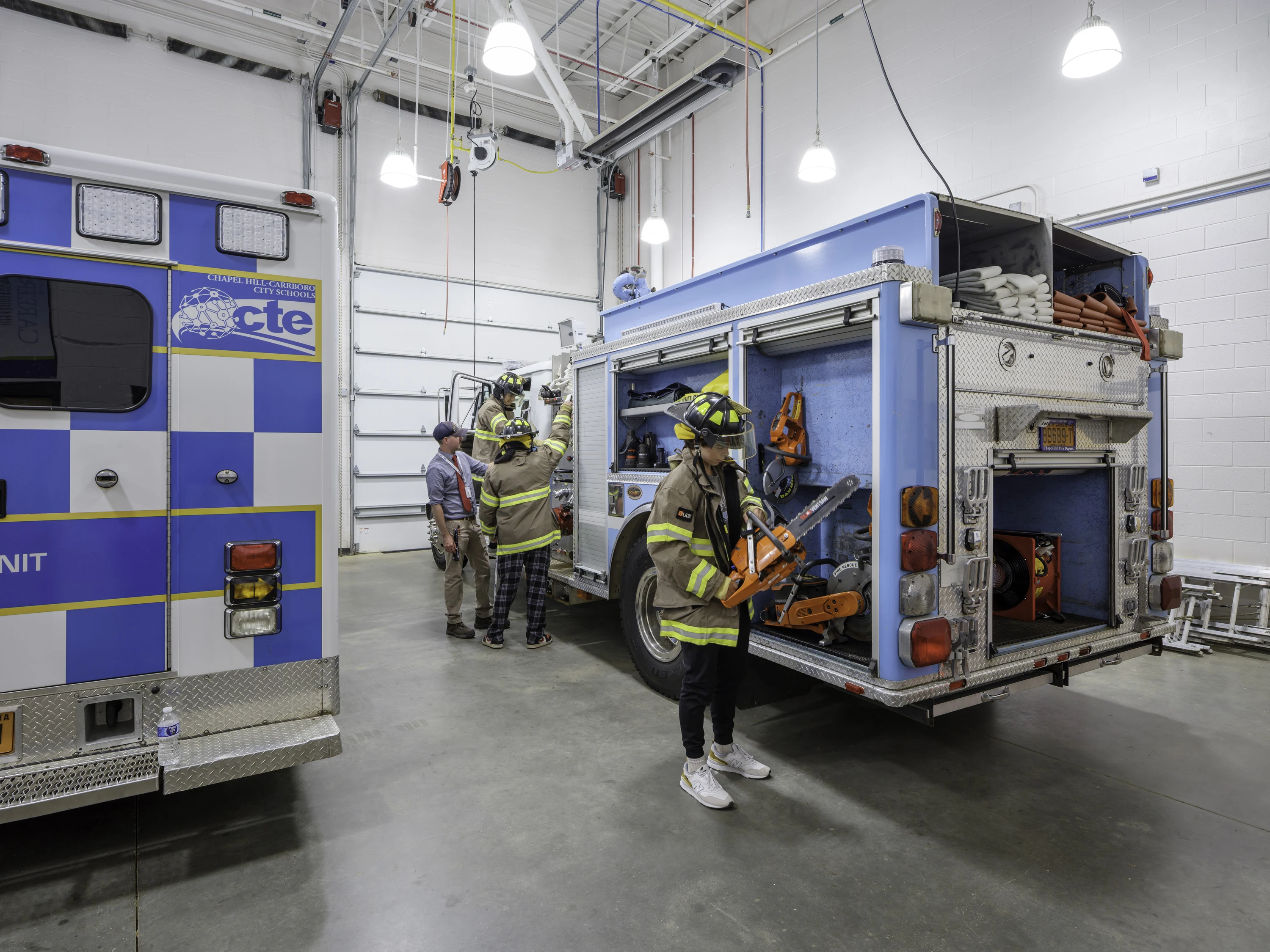
Still, CTE programs encompass a wide range of space types with vastly different facility requirements. Some programs, such as engineering, cybersecurity, and health sciences, can often exist within learning environments that closely resemble traditional classrooms while incorporating specialized technology, equipment, and infrastructure. These spaces typically offer greater flexibility to adapt as programs and workforce needs change.
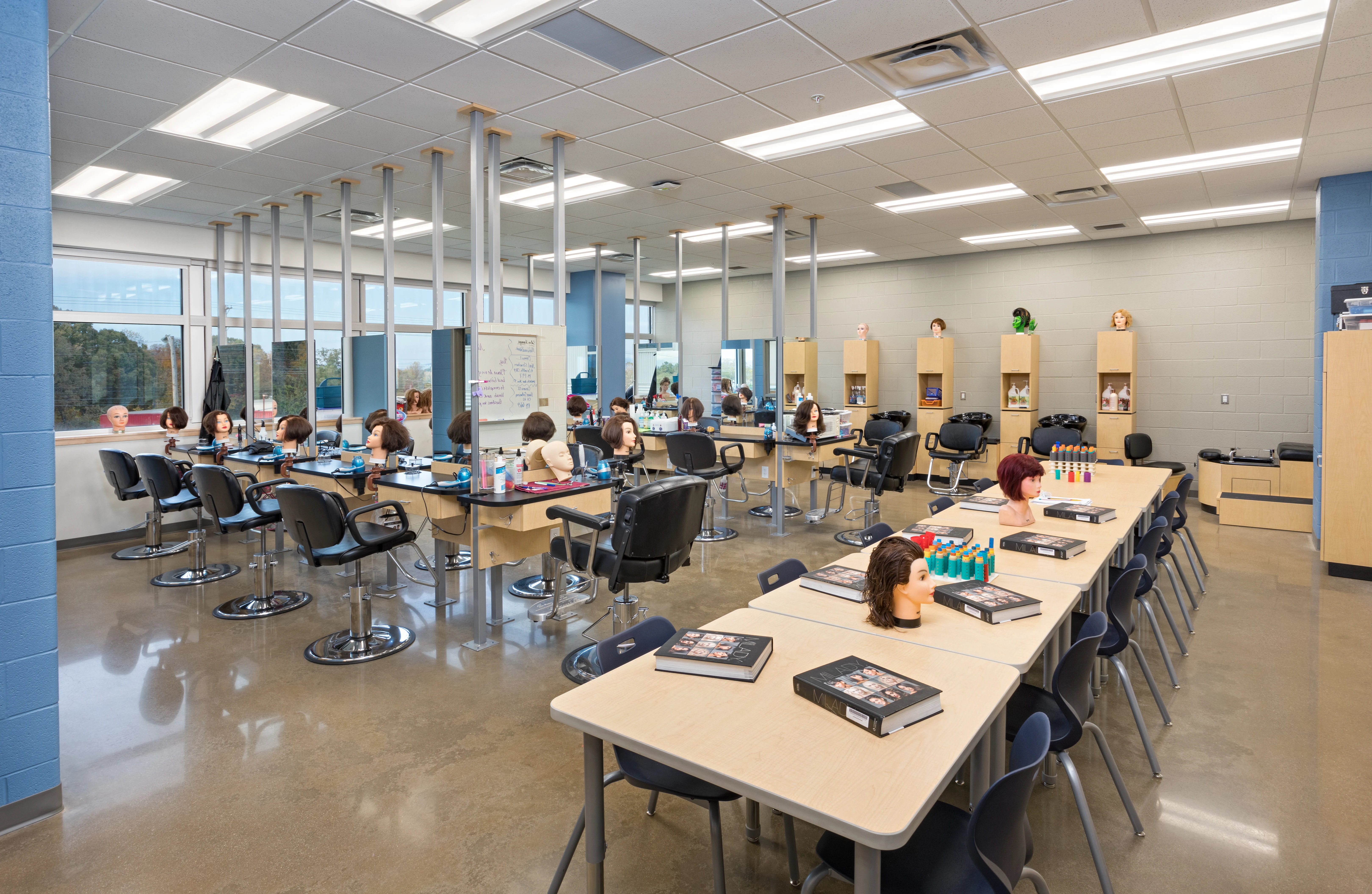
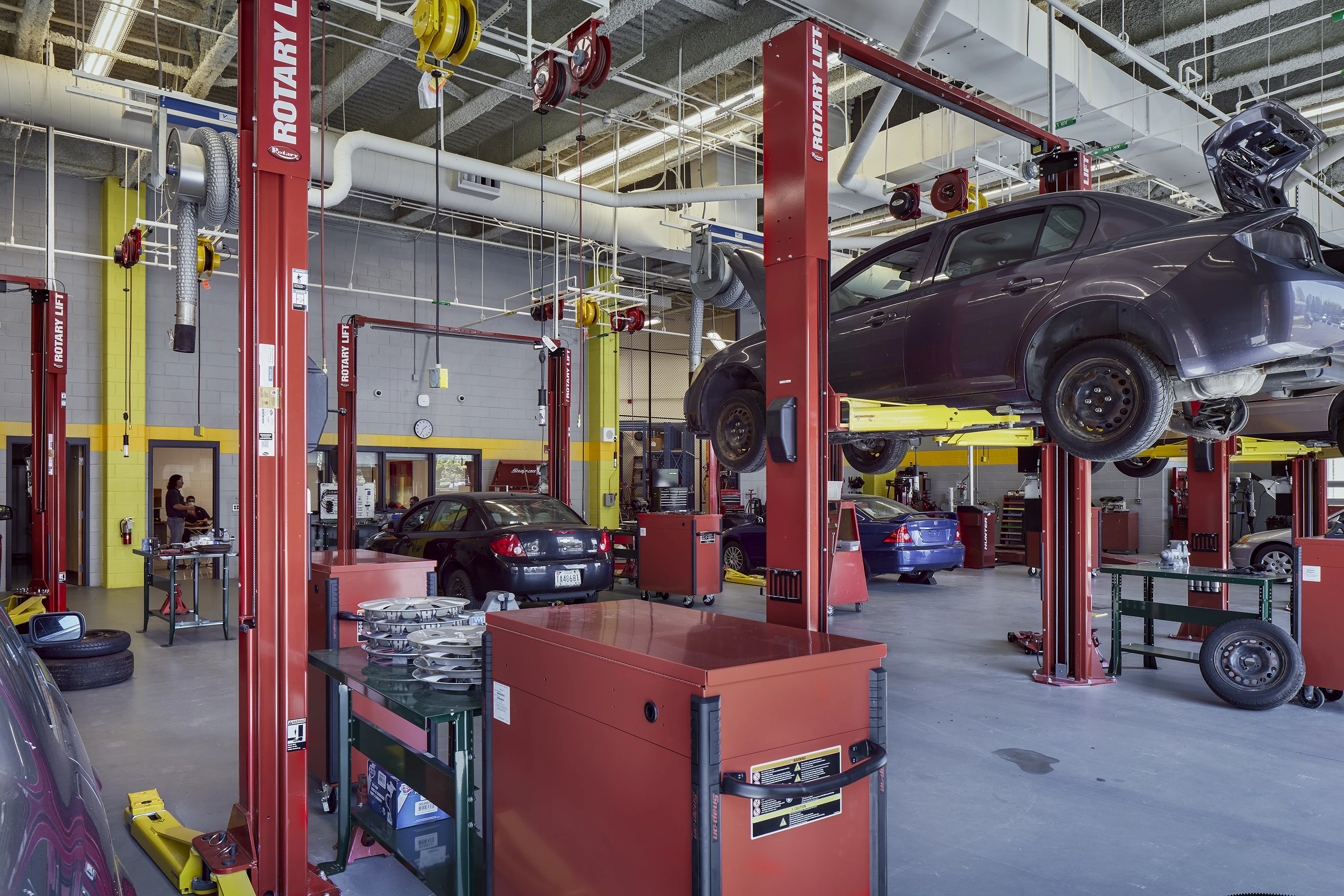
Other programs, including automotive technology, agriculture, construction trades, and cosmetology, require more specialized environments that may include:
- Higher ceiling heights
- Enhanced ventilation and exhaust systems
- Acoustical separation
- Dedicated storage
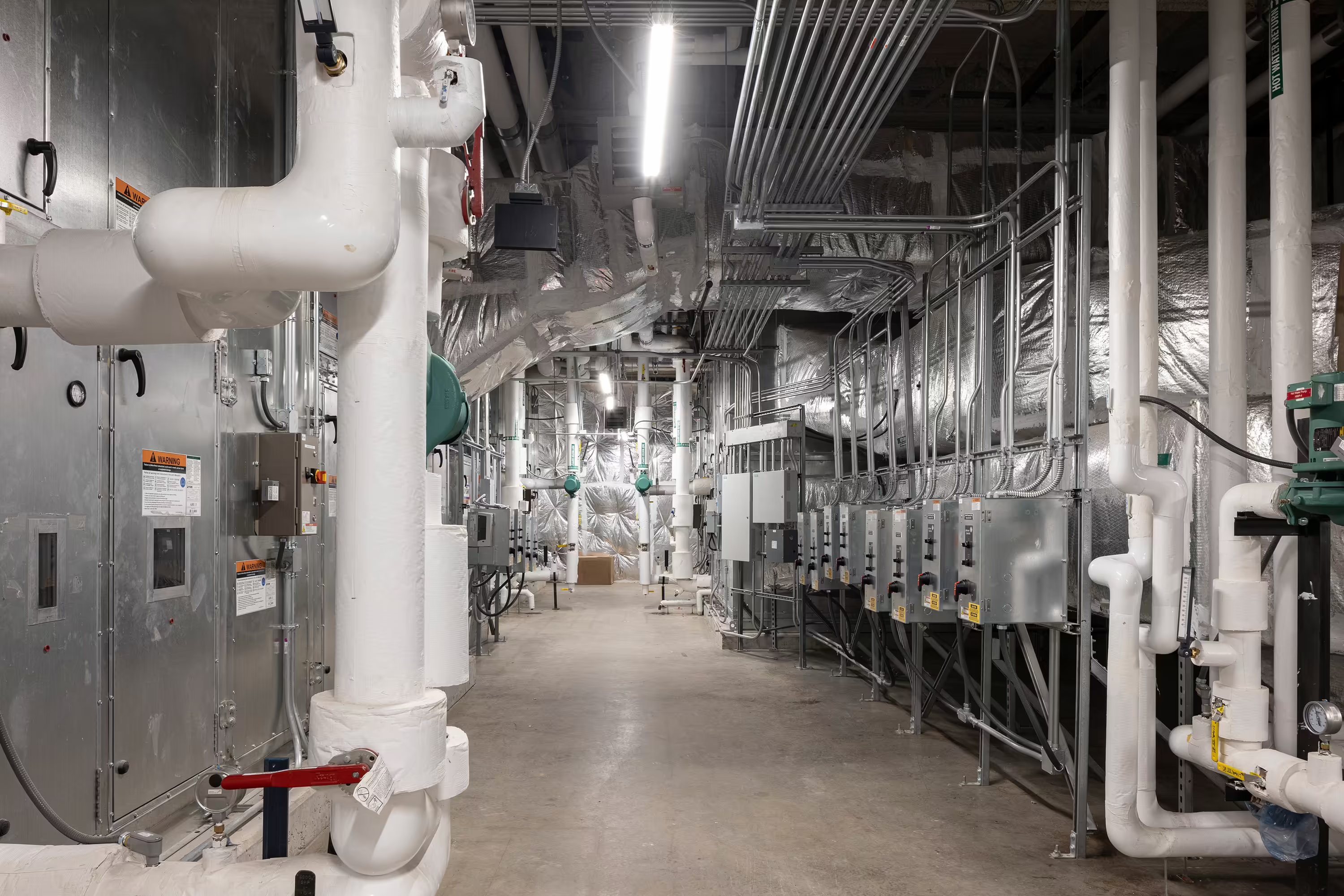
- Utility infrastructure
- Access for deliveries or equipment movement
While these requirements present unique planning challenges, thoughtful design can successfully integrate these programs into the broader campus while maintaining safety, functionality, and strong connections to the school community.
The most effective CTE facilities recognize that different programs have different operational needs, but all programs benefit from being part of a cohesive educational environment that supports collaboration, exploration, and student engagement.
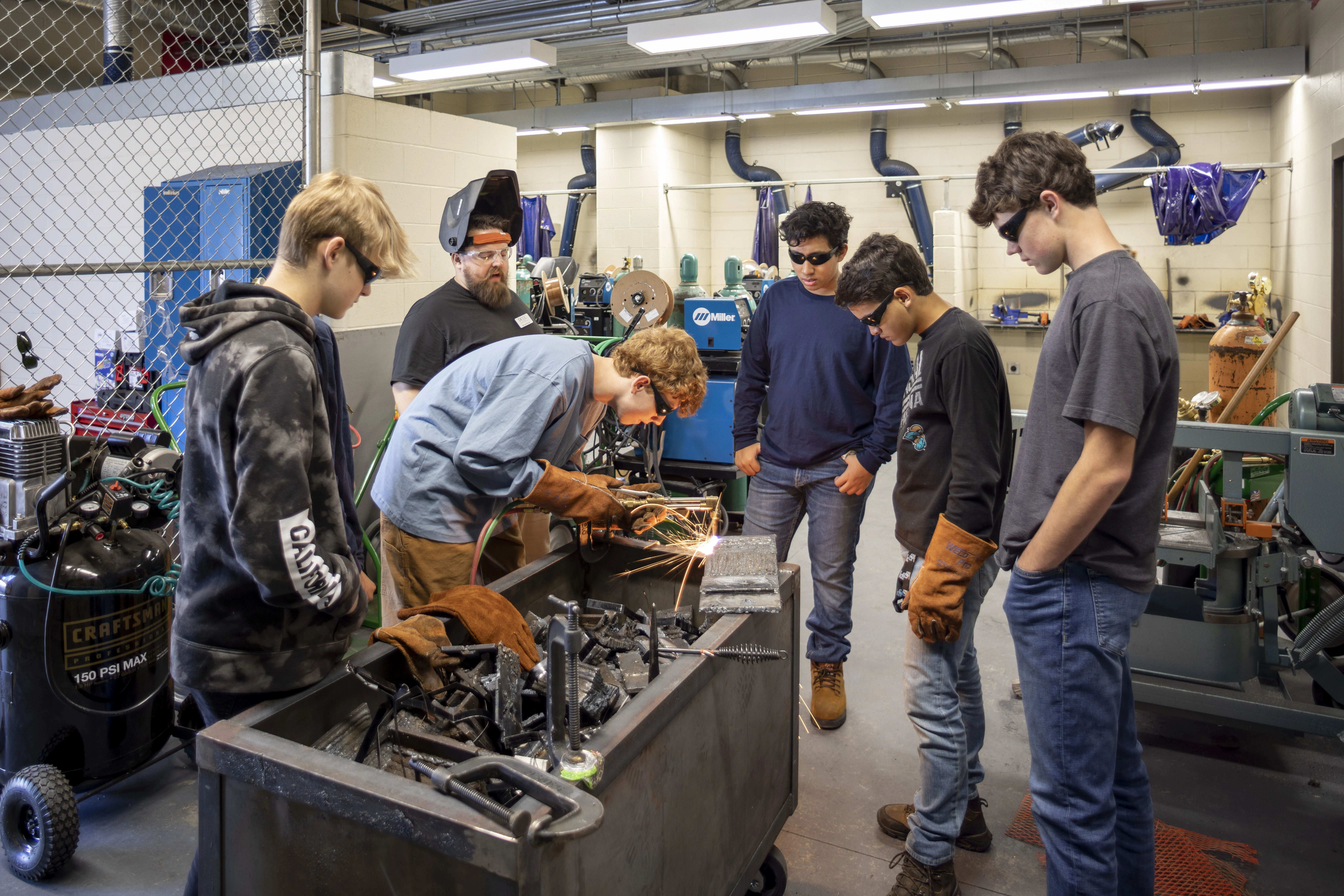
Key Design Features
As workforce demands and educational priorities continue to change, CTE design must keep flexibility in mind. Adaptable, generously sized learning spaces can accommodate changing program requirements, emerging technologies, and a variety of instructional approaches while supporting shared use across multiple departments or classes.
Several key design considerations can help maximize functionality and long-term adaptability:
- Storage — Dedicated storage space supports efficient operations, adequately houses specialized equipment and materials, and allows spaces to transition more easily between instructional activities and programs.
- Technology — Robust technological infrastructure is vital to support current programmatic needs while providing flexibility to integrate future advancements. Well-designed technology systems help ensure students are learning with tools and platforms reflective of modern industry practices.
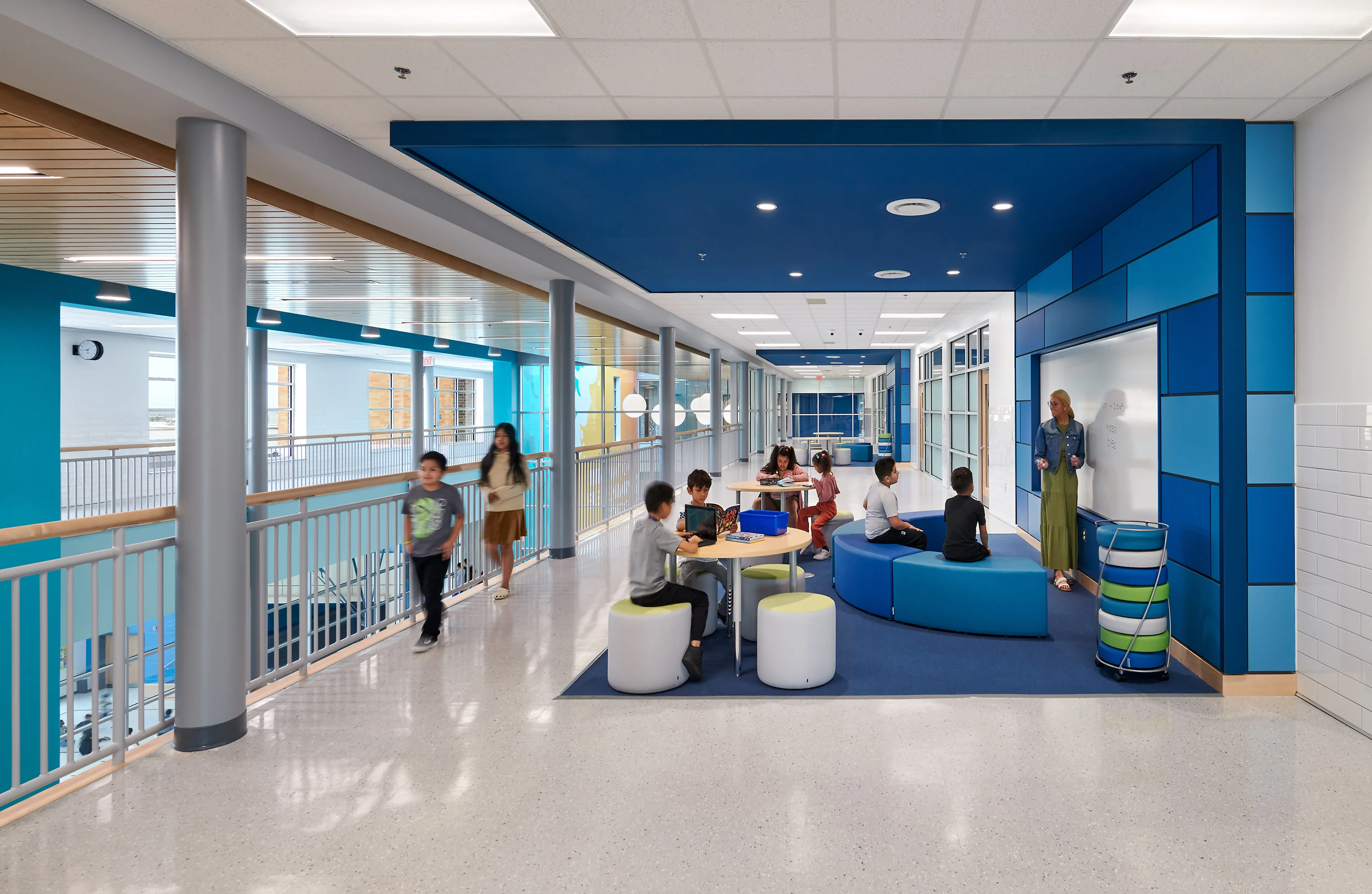
- Mobile Furniture — Easily reconfigurable furniture supports a range of teaching methods, group sizes, and learning activities. Flexible furnishings allow spaces to adapt quickly to changing instructional needs while promoting collaboration and student engagement.
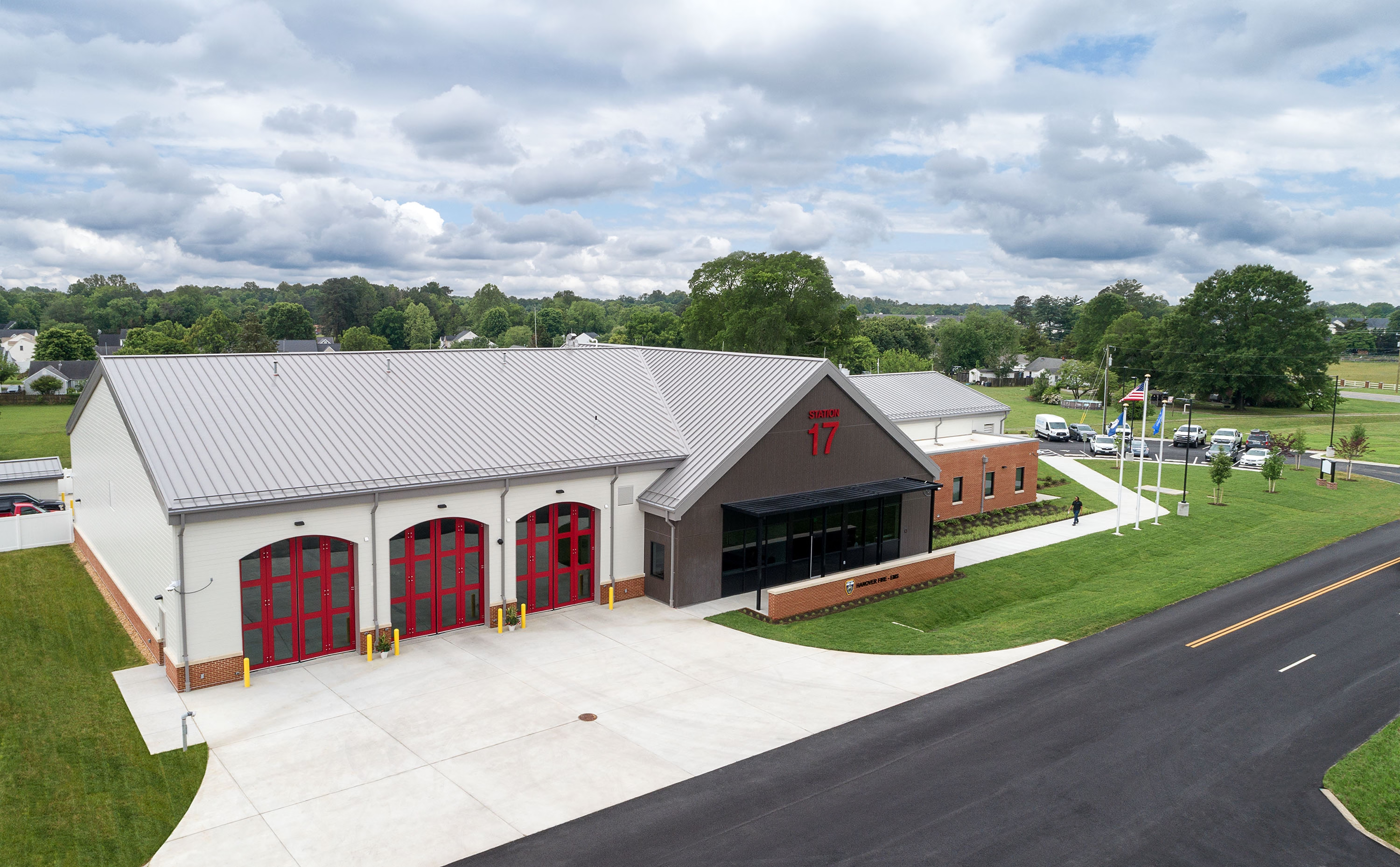
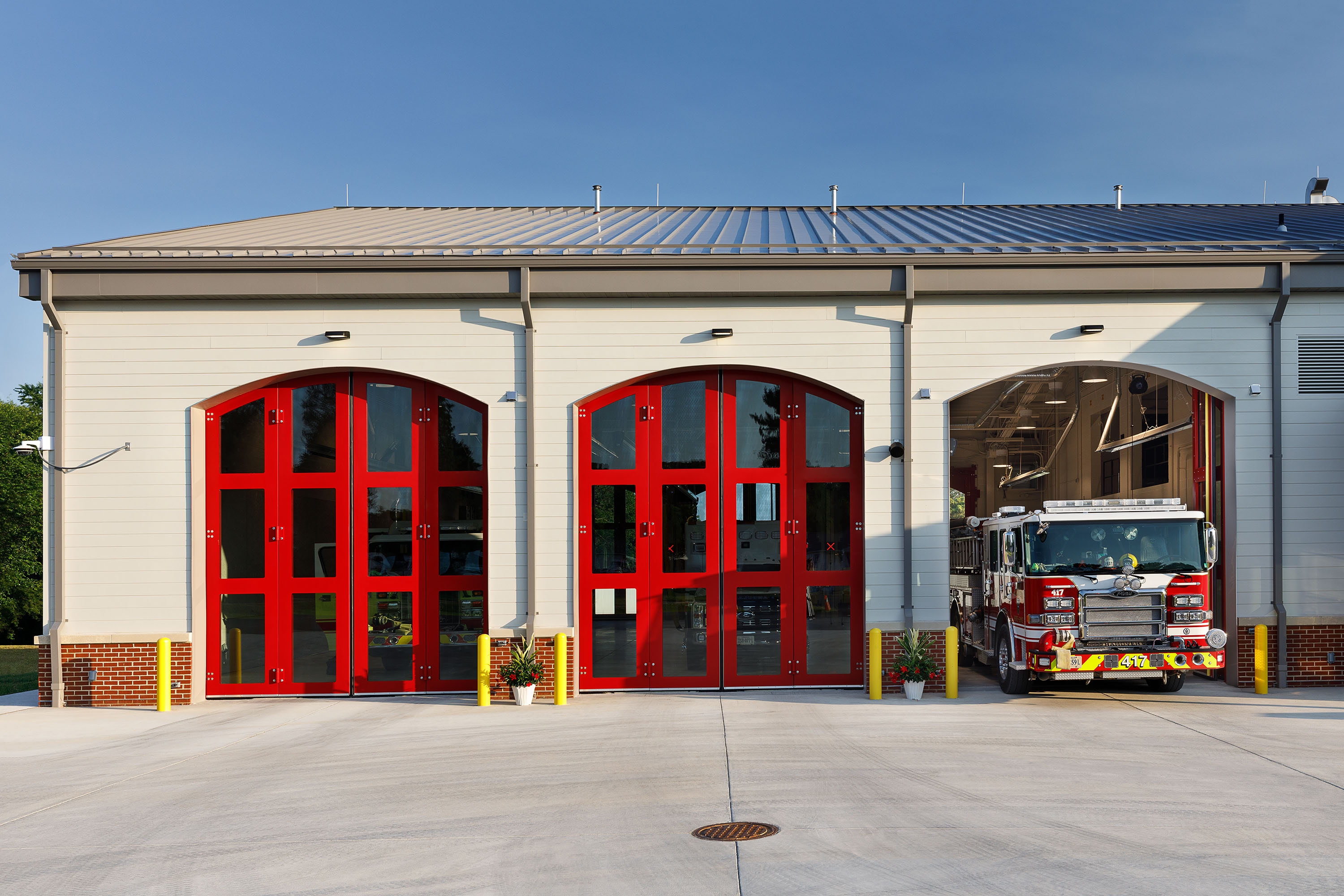
- High Ceilings and Specialized Access — Many CTE programs benefit from spaces that mirror the settings students will encounter in the workforce. Higher ceiling volumes can accommodate vehicle lifts, fabrication equipment, and agricultural machinery, while large roll-up doors facilitate equipment access and operational flexibility. These features help create environments that support realistic, hands-on learning experiences.
- Shared Collaboration Areas — These spaces allow students from different pathways to interact and collaborate while also creating opportunities for mentorship from community partners and local business engagement.
Supporting Hands-On Learning
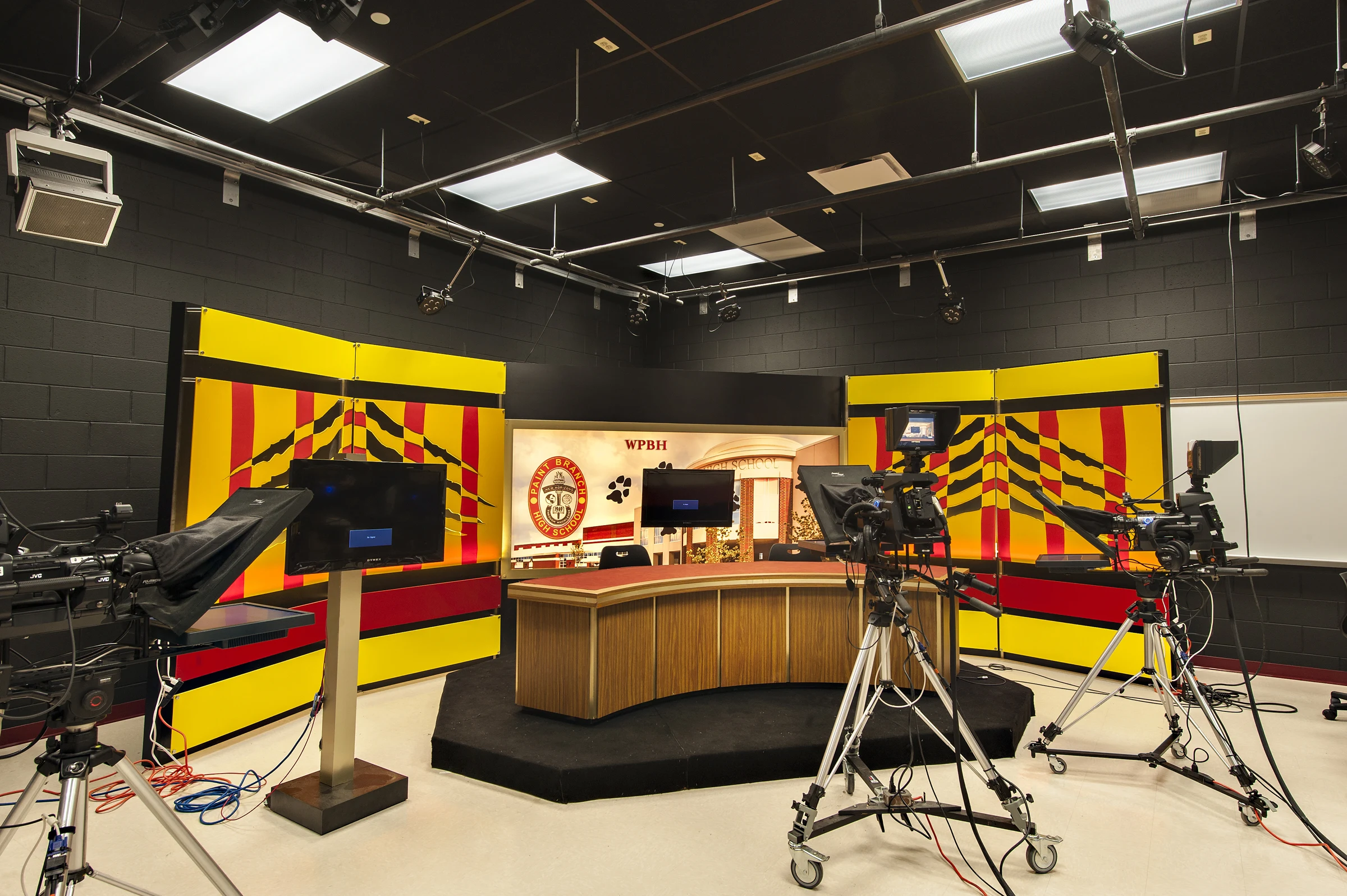
A core principle of CTE pedagogy is learning by doing, an approach that bridges classroom instruction with hands-on projects and skill-building activities. Whether students are fabricating materials, diagnosing equipment, preparing meals, or practicing patient care, meaningful learning occurs when concepts are applied in authentic settings.
For this reason, the design of CTE environments extends beyond accommodating equipment and program requirements. Effective spaces support collaboration, visibility, and real-world workflows, creating learning environments that mirror professional practice while encouraging student engagement and exploration.
Visibility as a Learning Tool
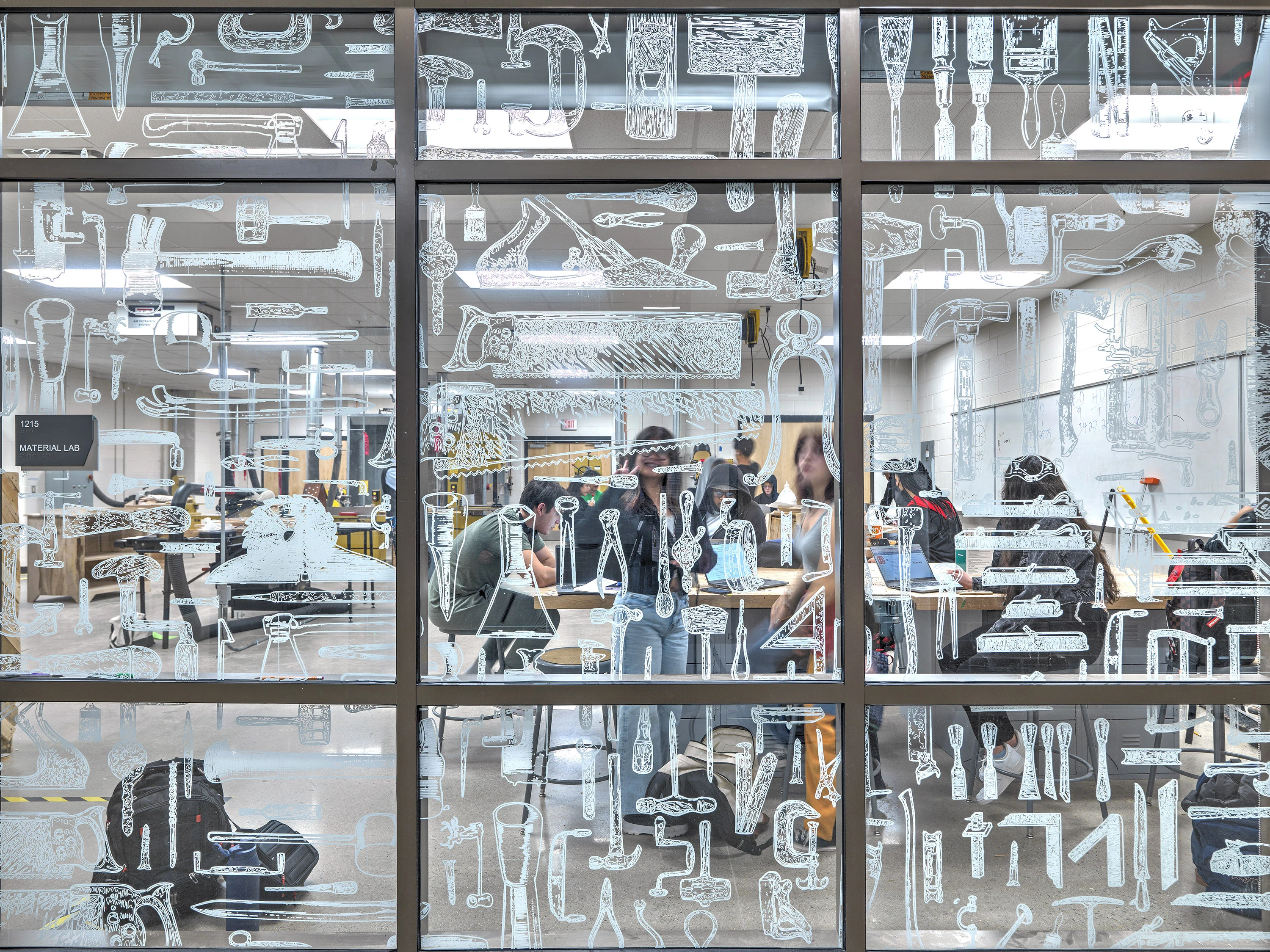
Visibility can play an important role in the success of CTE programs. Interior glazing, open sightlines, and strategically located program spaces allow student learning to be showcased throughout the school, transforming CTE environments into active demonstrations of learning rather than isolated destinations.
By making hands-on activities visible, schools can spark curiosity, encourage cross-disciplinary connections, and expose students to programs they may not have otherwise considered. Whether students are observing a robotics project, culinary demonstration, health sciences simulation, or construction activity, these moments can help broaden awareness of the opportunities available within the school.
Moseley principal Jim Henderson has noticed this shift becoming more prevalent. “In the past, CTE classrooms were often relegated to an isolated back wing of the building. Today, schools want to celebrate what is happening in these exciting spaces, moving them closer to traditional classrooms and along transparent corridors where others can see the activity within. The goal is to foster daily transparency and inspire students to explore CTE course material.”
Thoughtfully designed visibility also reinforces the value of experiential learning by celebrating student work and making career-focused education a visible part of everyday campus life.
Local Impact
Community engagement and collaboration with local industries will allow design teams to understand the unique opportunities, priorities, and workforce demands of the region. This insight guides the planning and design of CTE environments, helping programs reflect both student interests and the needs of the communities they serve.
When aligned with local conditions, CTE programs can:
- Expand opportunities for students to explore careers that are relevant to their region.
- Strengthen connections between schools, businesses, and community organizations.
- Support local industries by helping students develop an awareness of and preparation for high-demand career fields.
- Encourage students to pursue educational and career opportunities within their communities.
This can be especially helpful to rural communities, as industries often closely connect to the local economy and have more specialized workforce needs.
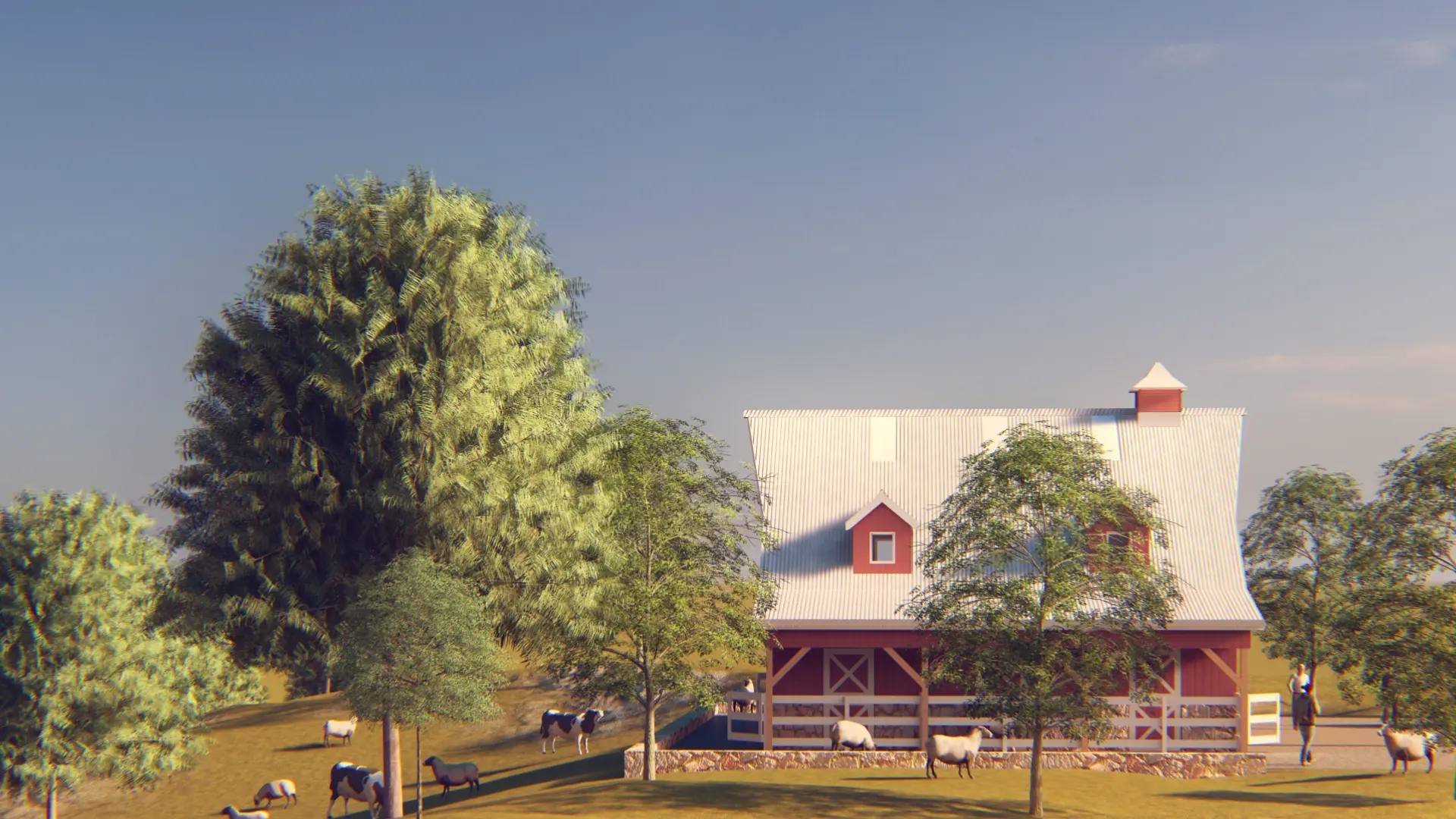
“In many rural communities, programs such as agricultural education, horticulture, agricultural mechanics, and related fields reflect both local traditions and future workforce needs,” says Moseley principal Ashley Dennis. “When schools create CTE opportunities that allow students to engage with these industries and spark their interest, they strengthen the connection between education, career exploration, and the long-term vitality of the community.”
Community Access and Security
Many CTE programs benefit from interaction with industry partners, community members, and clients as part of the learning experience. Programs such as cosmetology, culinary arts, automotive services, and health sciences may incorporate public-facing functions that provide students with authentic, real-world experiences. When designers integrate these spaces into a school campus, they must balance accessibility with security. Thoughtful planning can create opportunities for community engagement while maintaining the safety of students and staff through the following strategies:
- Dedicated public entrances
- Controlled access points
- Visitor parking
- The ability to separate public-facing areas from the broader academic environment
The Future of CTE Design
The future of CTE will continue to be shaped by evolving technologies, industry needs, and educational priorities. Because it is impossible to predict exactly how programs will change, the most successful CTE facilities are designed with flexibility at their core. Adaptable spaces and infrastructure allow schools to respond to new opportunities while continuing to support meaningful, hands-on learning experiences.
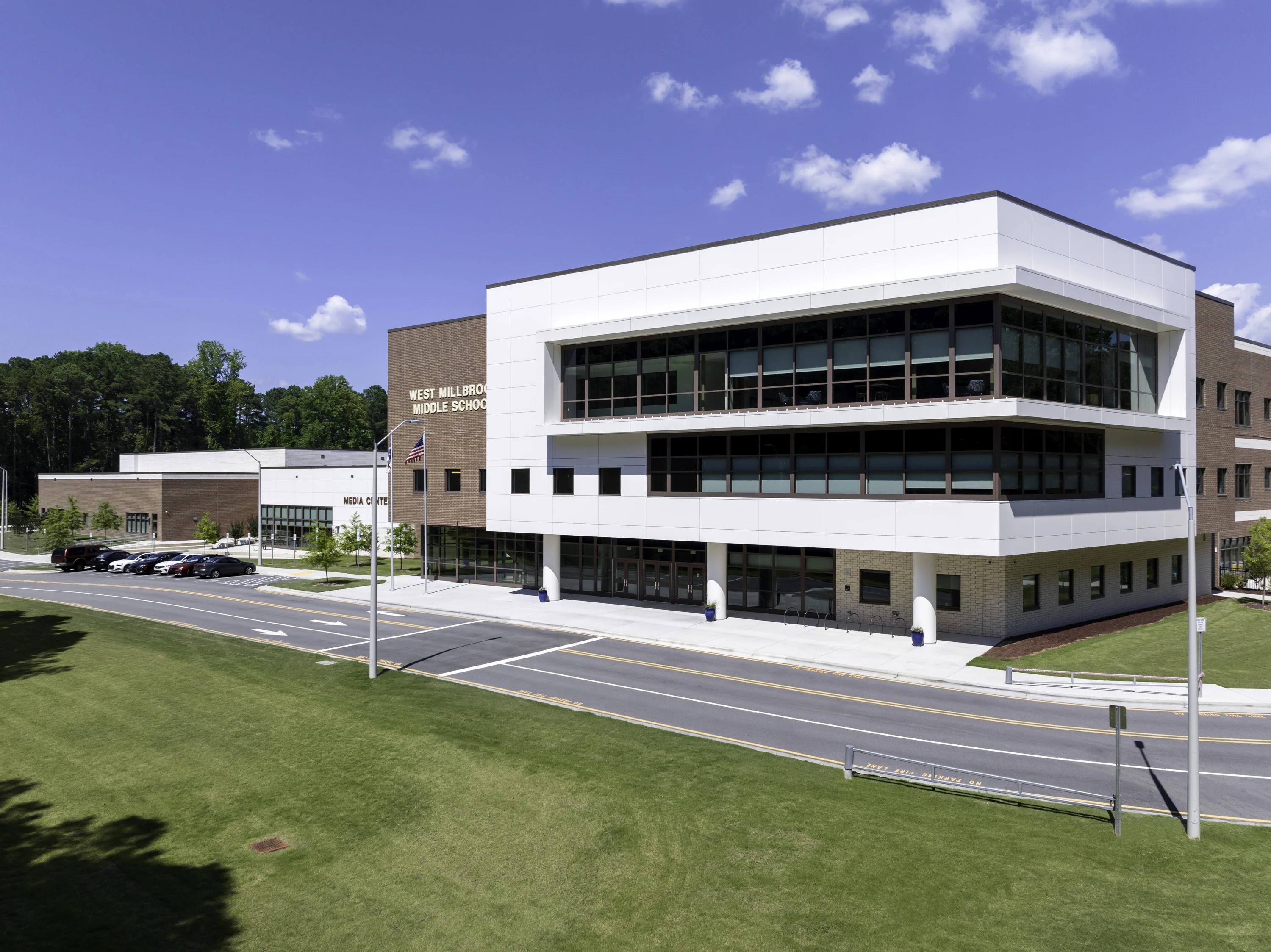
Additionally, career exploration is beginning earlier in many school systems. Middle school programs increasingly expose students to a variety of career fields, helping them discover interests and make more informed decisions about future educational and career opportunities. As this trend continues, schools will need flexible spaces that support exploration, collaboration, and hands-on learning across a broad range of disciplines.
The most successful CTE environments do more than accommodate equipment, technology, and specialized instruction—they create opportunities. Through flexible, visible, and thoughtfully integrated learning spaces, schools can support hands-on experiences that help students discover interests, develop skills, and envision future possibilities.
As career and technical education continues to develop, the facilities that support it must do the same. When designed with adaptability, authenticity, and community connection in mind, CTE spaces become more than classrooms and labs; they become places where students can explore who they are and who they aspire to become.
To learn more about Moseley’s CTE experience, visit our website, or listen to Billy Riggs’ recent discussion on Henrico CTE Now.



.webp)

























.avif)