.webp)
Communities across the country are turning historic industrial campuses into mixed-use districts, innovation centers and commercial developments, but the standards preservation professionals rely on were written for single buildings, not entire sites. A session led by Tom Liebel, FAIA, Moseley's multifamily housing and mixed-use sector leader, at the Washington, D.C. Chapter of the Association for Preservation Technology (APT DC) Fall 2026 Symposium will make the case that these campuses need to be evaluated as interconnected systems rather than collections of individual historic resources.
Tom will present "Adaptive Use Strategies for Large-Scale Historic Industrial Campuses" on Friday, Sept. 11, at 1:20 p.m., drawing on the adaptive reuse of Baltimore's Crown Cork & Seal manufacturing campus. This year's symposium theme is "Adaptive Reuse: Policy in Practice."
A Gap in the Standards
The Secretary of the Interior's Standards for the Treatment of Historic Properties provide a strong framework for evaluating and rehabilitating individual buildings, but they offer less guidance when the resource is an entire historic industrial campus composed of dozens of structures built over many decades and linked by rail lines, loading areas, utilities, circulation routes, and open spaces that once functioned as a single manufacturing system.
Using Baltimore’s Crown Cork & Seal campus as a case study, Tom will explore the broader challenges inherent in understanding and redeveloping these complex places. The discussion will examine how production buildings, circulation patterns, rail infrastructure, loading areas, and utility systems can be read together as evidence of how an industrial campus once operated. Rather than treating these elements as isolated remnants or obstacles to redevelopment, the session will demonstrate how they can inform a more nuanced approach to preservation, adaptation, and new development across historic industrial sites.
Ranking Significance Across a Campus
The Crown Cork & Seal case study will also be used to examine how significance can be assessed at multiple scales. A single building may possess architectural or historical value on its own, but the larger organization of a campus, including building alignments, circulation routes, rail corridors, spatial relationships, and sightlines, can be equally important in conveying the history and function of the place.
Drawing from the challenges encountered at Crown Cork & Seal, Tom will outline a method for establishing a hierarchy of significance across a historic industrial campus, from primary production buildings to secondary support structures and later additions that may contribute little to the site’s historic character. This framework can help guide decisions about what should be rehabilitated, stabilized, adapted, selectively removed, or supplemented with new construction, while preserving the broader relationships that allow an industrial campus to remain legible as a historic place.
Planning for a Process, Not a Single Project
Few campus-scale projects unfold in a single phase. Environmental constraints, uncertain markets, layered ownership and heavy capital requirements stretch redevelopment across decades. Using examples from Crown Cork & Seal, Tom will describe how phased investment, targeted stabilization and selective demolition move a project forward while the qualities that made the campus historic remain intact.
Tom will close with principles that apply well beyond Baltimore: document how a site once operated before evaluating its individual buildings; weigh significance at both the building and campus scale; protect the relationships among structures, infrastructure and landscape and not just the structures themselves; and plan for change that unfolds in phases as market conditions shift.
"Communities across the country are sitting on industrial sites too large and complicated for a single-building playbook, and policy is starting to catch up to that fact. This session gives APT DC attendees a way to evaluate those sites as whole systems. The campuses redeveloped over the next decade will keep the qualities that made them worth saving only if that whole-system view guides the work from the start." <p class="testimonial-name">Tom Liebel</p>
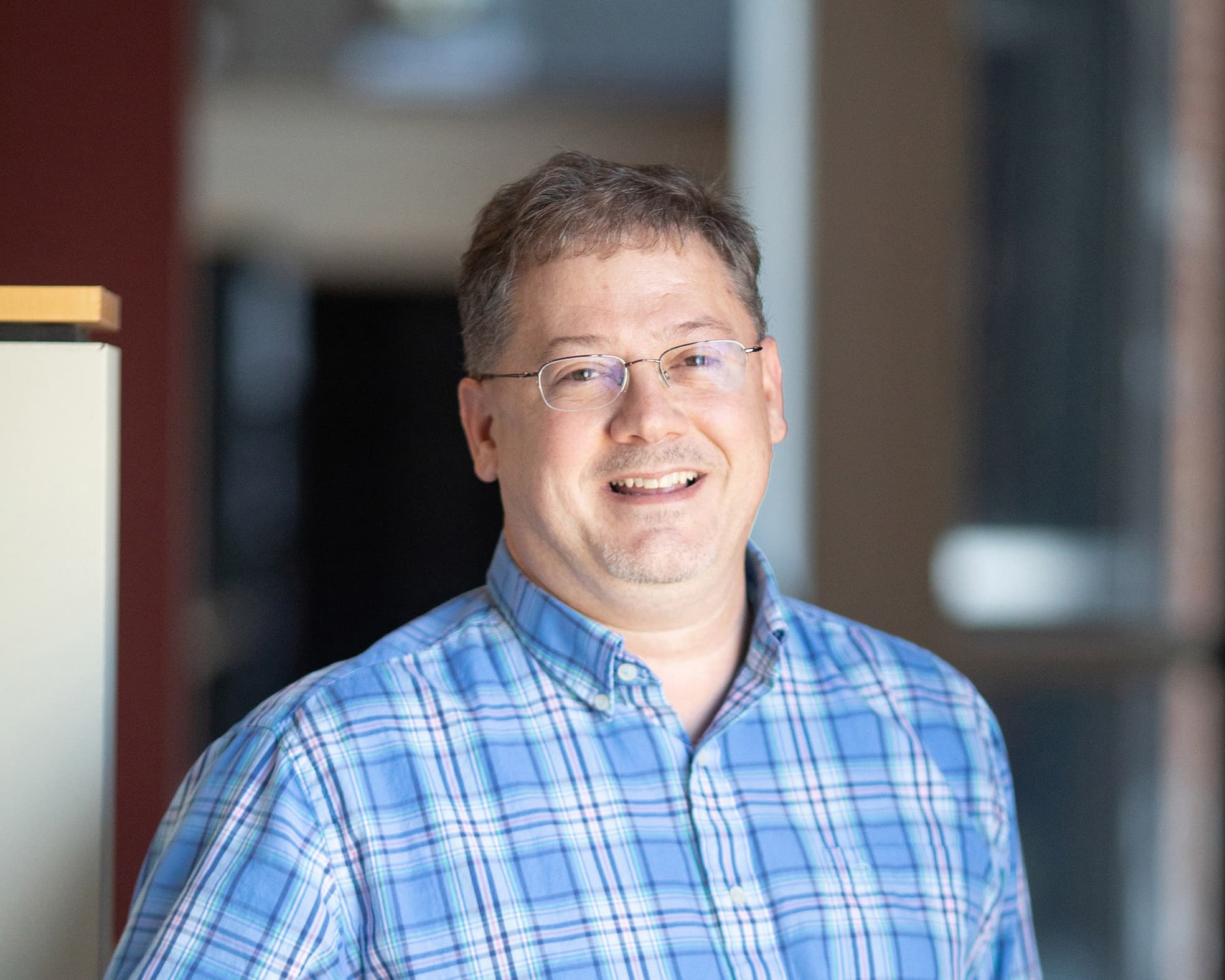
About Tom Liebel
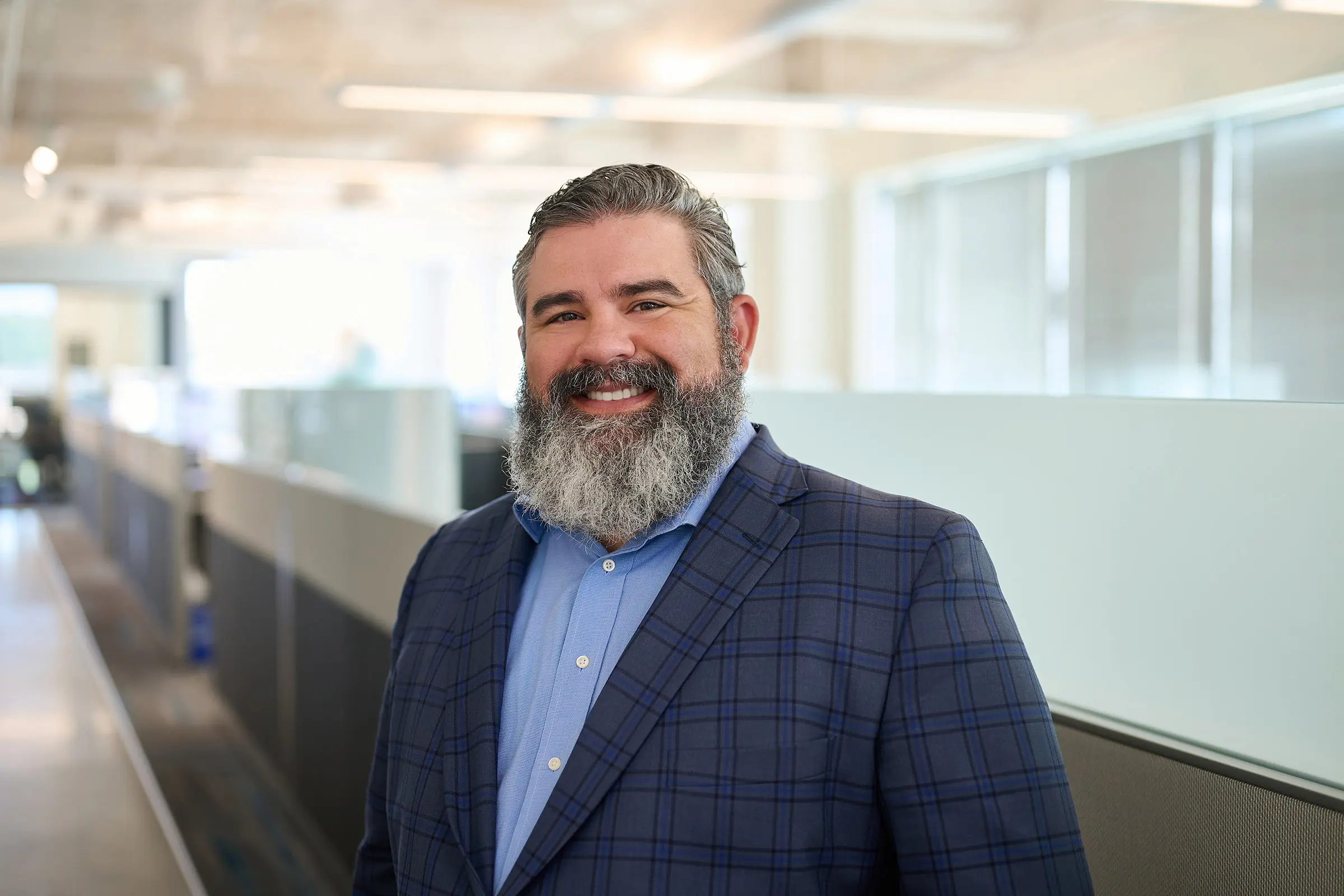
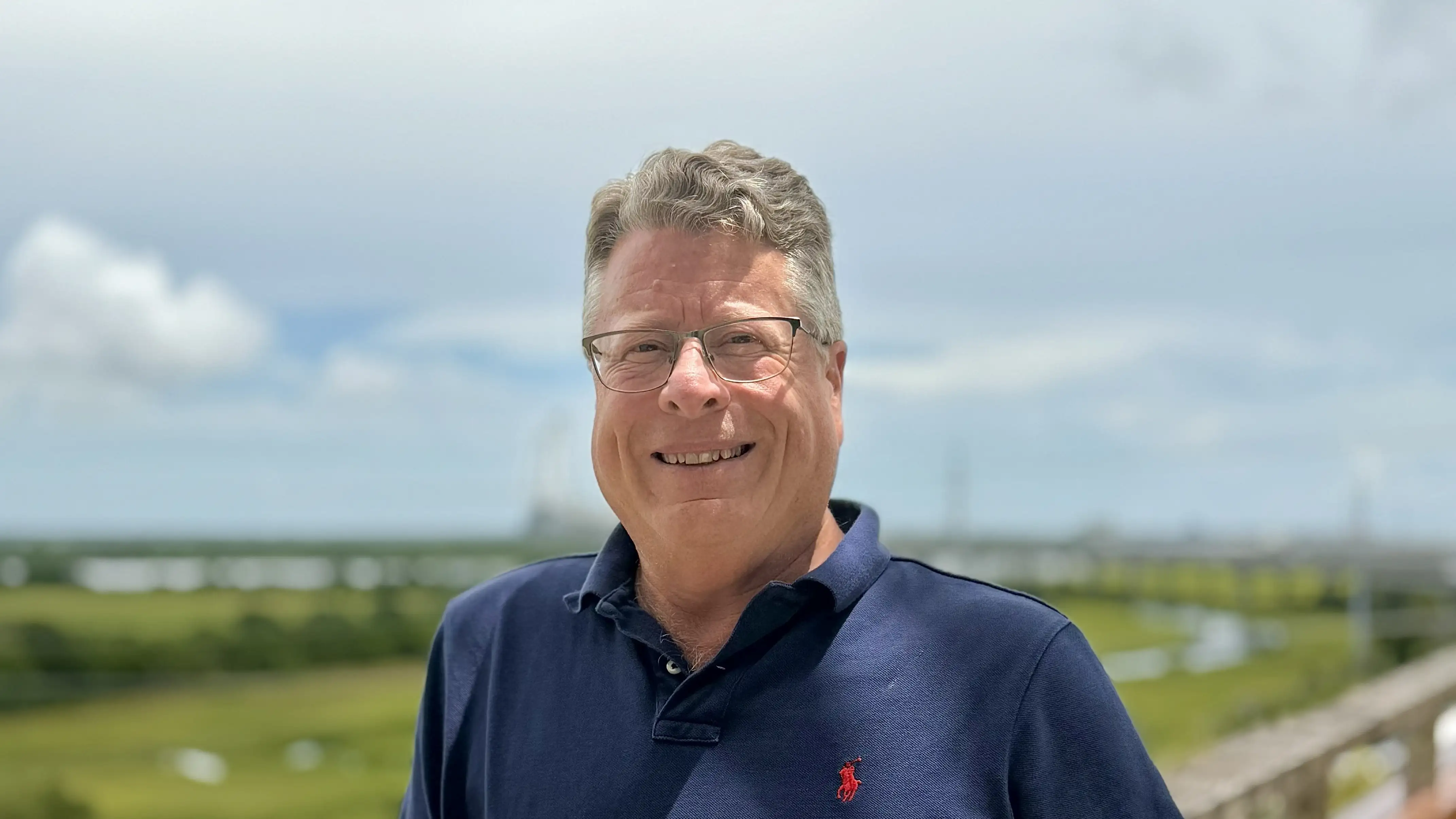
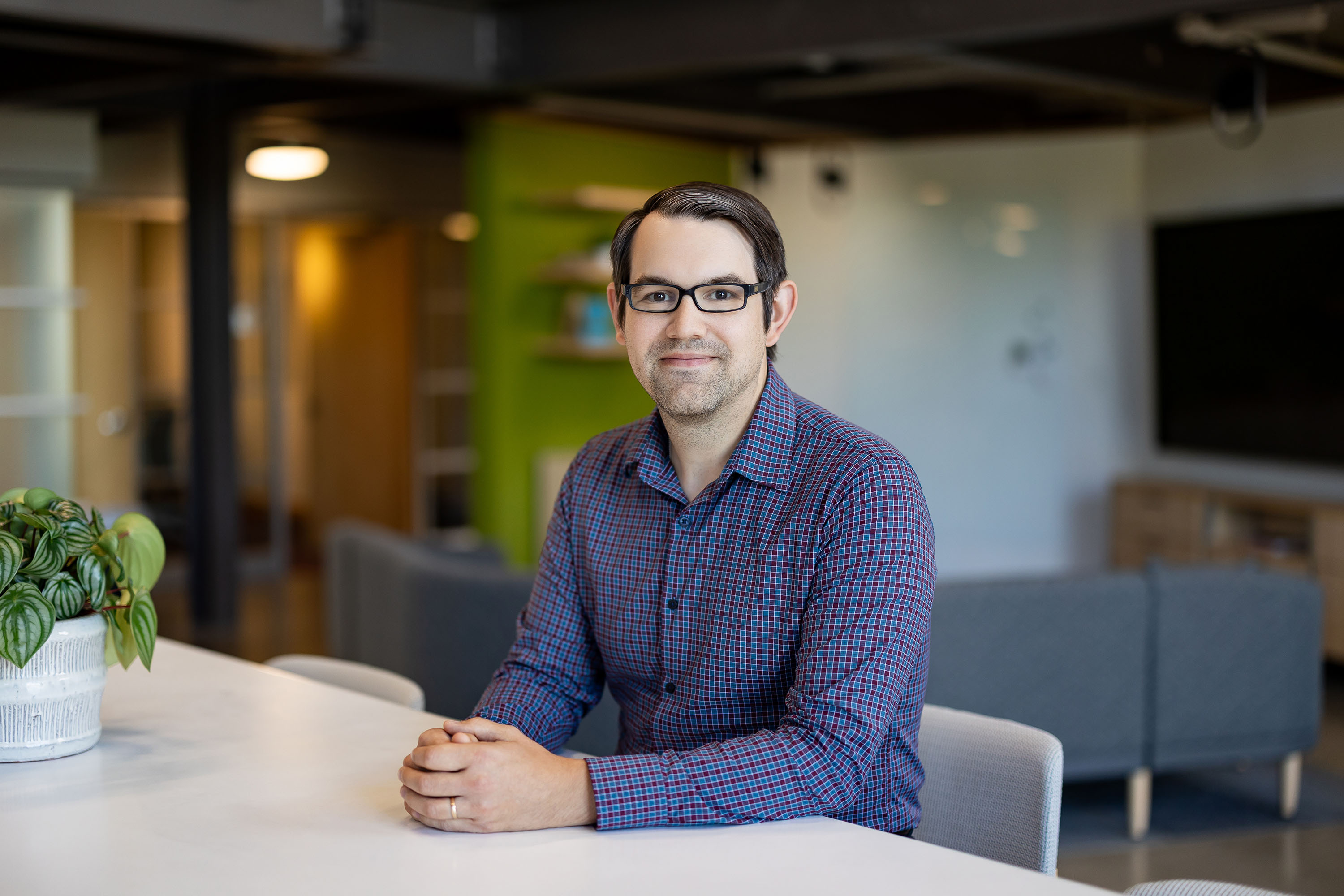
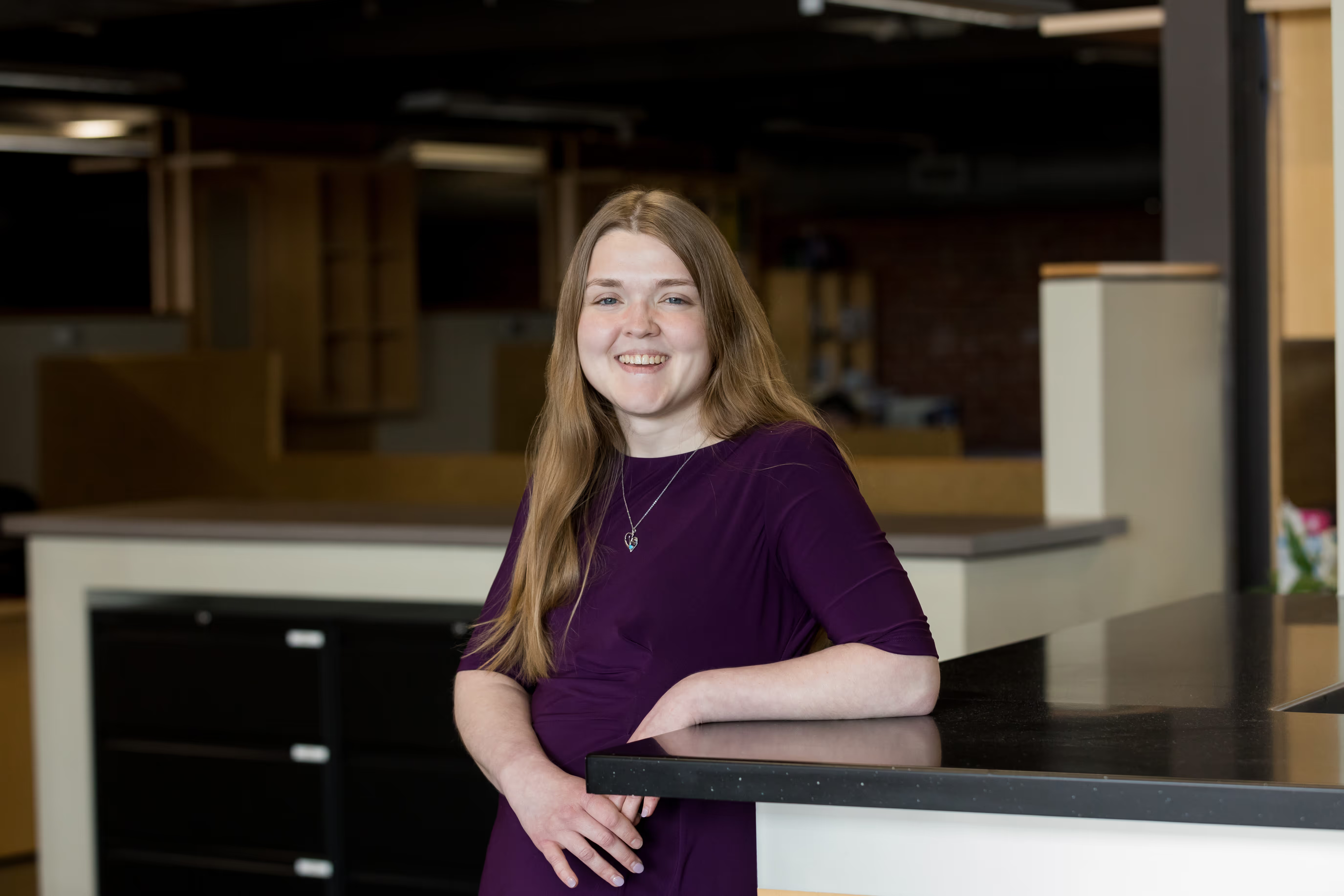
An architect and LEED Fellow, Tom practices at the intersection of historic preservation, sustainability, and urban design, with nearly three decades in the field and a research focus on how adaptive use projects can drive neighborhood revitalization. He led the design of numerous adaptive use and historic preservation projects throughout Baltimore and the broader Maryland region and serves the field through appointments including the Baltimore County Landmarks Preservation Commission and the Baltimore City Commission for Historical and Architectural Preservation.
This year's symposium theme, “Adaptive Reuse: Policy in Practice,” matches the session's central claim. Preservation policy, Tom will argue, needs to operate at the scale of an entire site, across the years it takes to bring one back into use.























.avif)